














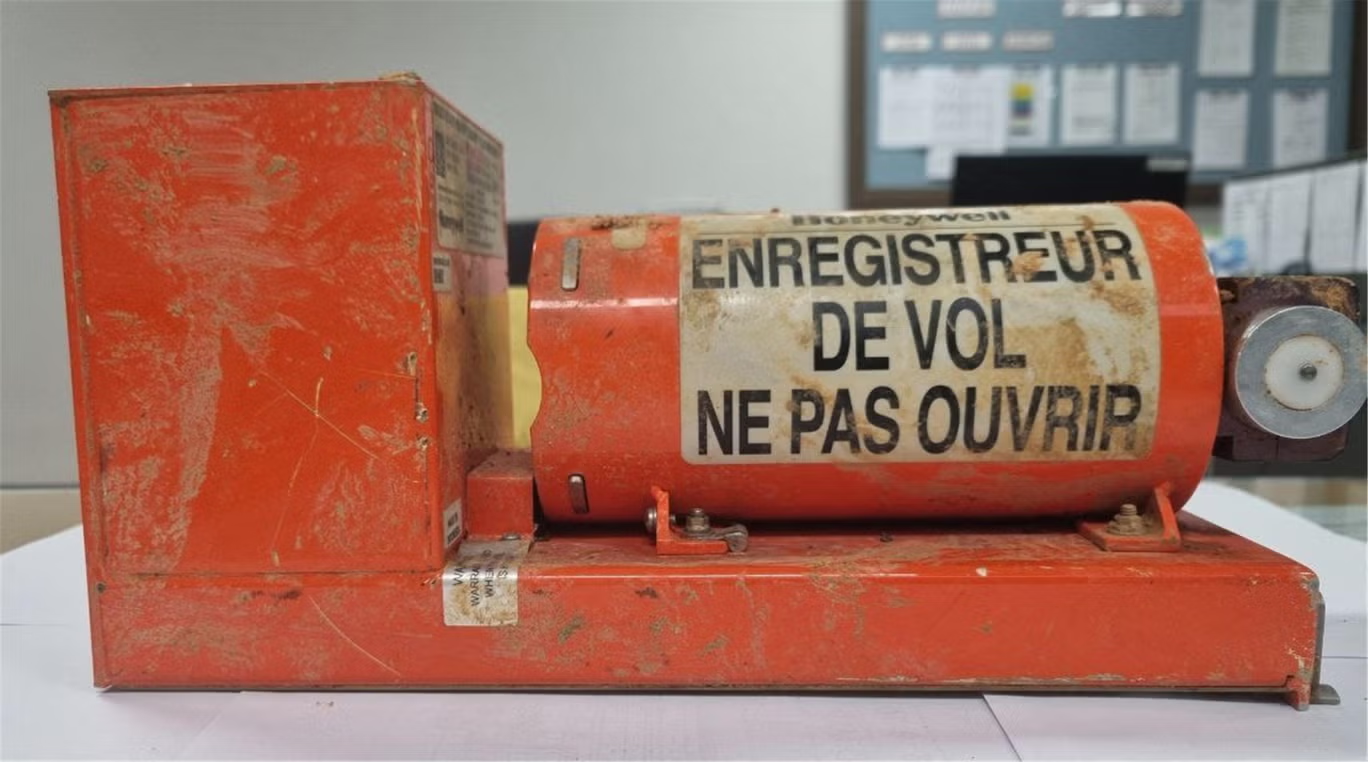

South Korean officials are investigating how the flight data and cockpit voice recorders on Jeju Airlines Flight 2216 stopped recording four minutes before the 737-800 smashed into a concrete antenna structure at Muan Airport two weeks ago. The prominent theory being floated so far is that the aircraft somehow lost all electrical power, which is supported by the fact that ADS-B ceased to broadcast at the same time.
Investigators say the loss of the recorder data is significant but there are other ways to determine the cause. “CVR and FDR data are important for accident investigation, but the investigation is carried out through investigation and analysis of various data (not just two data sources)” and “We plan to do our best to determine the exact cause of the accident,” South Korean officials said. Pilots have no access to controls for the FDR. They can erase the CVR but only after the aircraft is on the ground with AC power and the parking brake is set.
The plane made an initial approach to the airport and may have hit a flock of birds. The crew aborted that landing and then made a U-turn to the same runway for a landing in the opposite direction. The landing gear was fully retracted for that landing attempt and the aircraft slid into the concrete-topped mound, which raised and supported the antenna.
