
















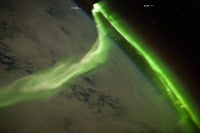
The sun this week unleashed a series of X-flares, classified among the most intense solar activity, that each became the most energetic of the year until the next one; none were directed toward earth but that may change next week with possible effects for aviation. The Space Weather Prediction Center is watching the activity for potential disruption of space-based communication systems and ground-based electronics. Aviation activities most susceptible to the flares include aircraft communication. If affected, scientists say we would see it first with aircraft flying near the poles. The increase in solar storm activity was predicted years ago and AVweb sat with a specialist to talk about its affects on GA.
Back in 2010, AVweb‘s Glenn Pew interviewed Joseph Kunches, a scientist at NOAA’s Space Weather Prediction Center. Kunches said solar storms can cause position errors and problems acquiring signal form GPS and satellite-based services. He said that users could encounter problems with ADS-B and GPS and other satellite-dependent technologies. Kunches noted that solar activity has resulted in observed errors in GPS receivers in the range of about 20 meters. Ten years ago, in late October, the FAA curtailed the ability for pilots to use WAAS precision approaches because the system could not be considered reliable due to solar activity. Kunches noted that engineering solutions were in the works and many satellites had specific qualities meant to reduce the possibility of disruptions due to solar storms. Ground-based systems like VORs historically haven’t suffered during solar storms, said Kunches, but higher-precision applications like GPS could lose lock on some satellites or suffer other consequences. He did believe it was a tractable problem. Listen to Joseph Kunches in his own words here. Visit SpaceWeather.gov for more.

