
















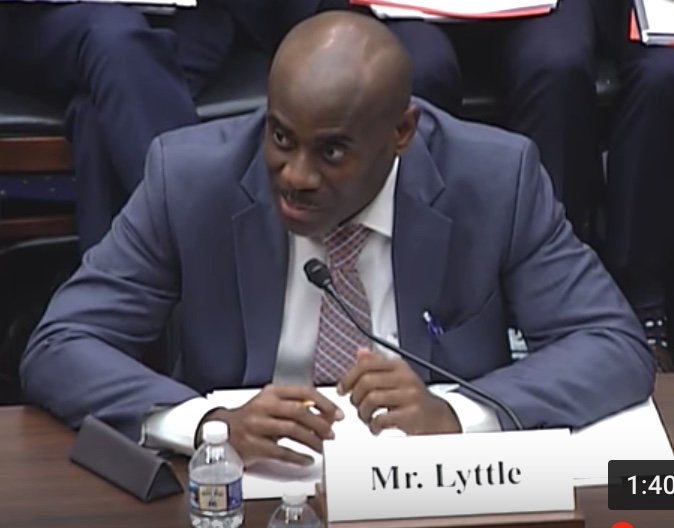
Senior executives from commercial-service airports large and small pleaded with the House Subcommittee on Aviation to increases the maximum authorized Passenger Facility Charge (PFC) in hearings Wednesday. “The PFC program allows the collection of fees up to $4.50 for every enplaned passenger,” says Sean Donohue, CEO of Dallas/Ft. Worth International. This maximum charge hasn’t been adjusted since it was put in place in 17 years ago. Lance Lyttle, Managing Director of Seattle-Tacoma International Airport, explained that “the outdated cap on the PFC prevents airports like Sea-Tac from making the capital investments required to meet the air travel needs of both our communities and the nation.” Lyttle’s comments were echoed by every airport manager in attendance including both Donohue, who runs the third-busiest airport in the world, and Todd McNamee, Director of Airports for Ventura County, whose Oxnard airport, while classified as a commercial service airport, has lost its only carrier.
Seattle-Tacoma has already pledged most of its anticipated PFC collections through 2047 to fund current projects, but the airport expects to overrun planned expansion in the next five years. “In 2021—even after adding the eight new gates—we expect that the airlines will need to load and unload some flights by transporting passengers by bus because we will not have enough gates for all the aircraft who want to come to Sea-Tac,” says Lyttle. Seattle’s 20-year master plan calculates that 35 additional gates and supporting facilities costing $10 billion will be required to service anticipated traffic in 2034.

