image: Chunichi Shimbun
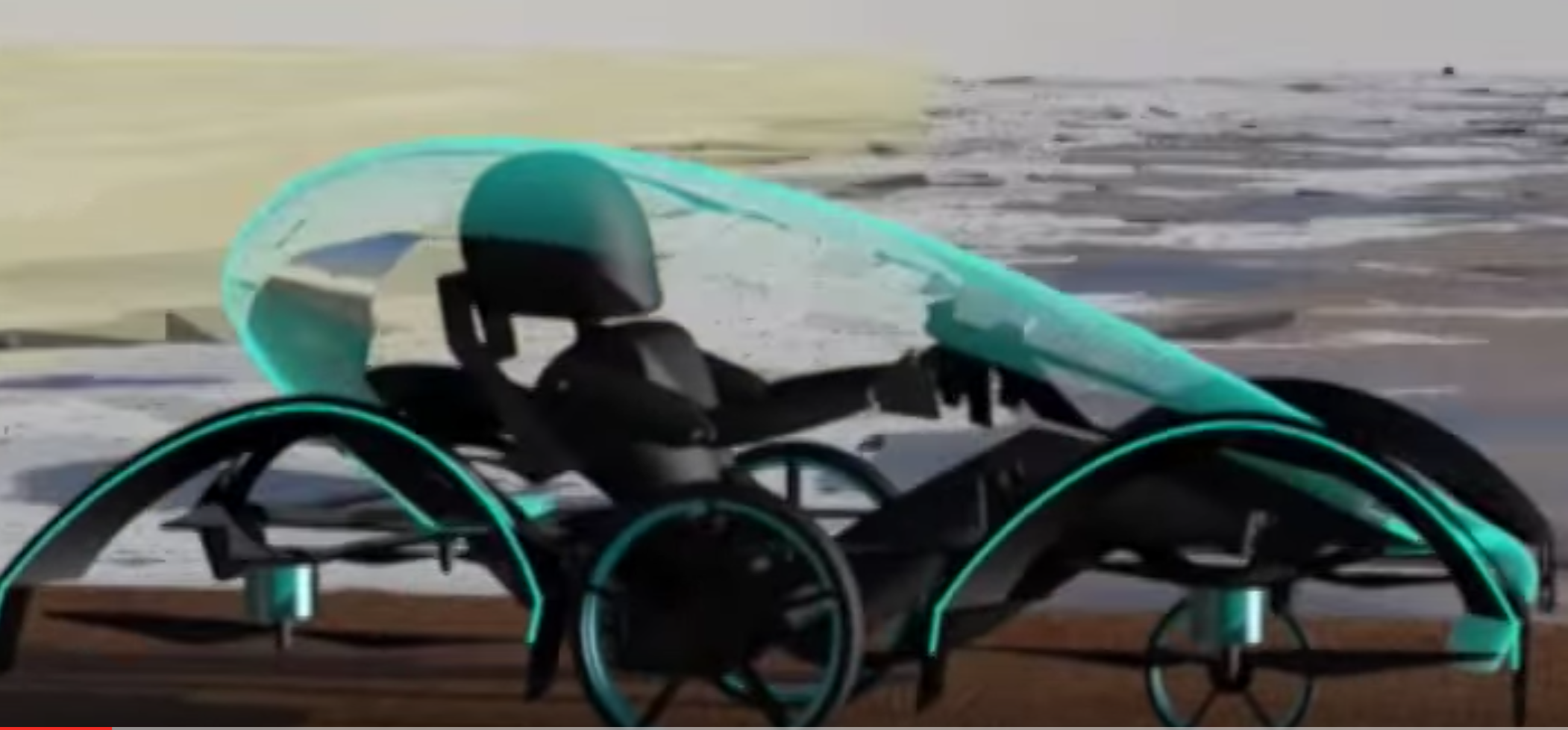
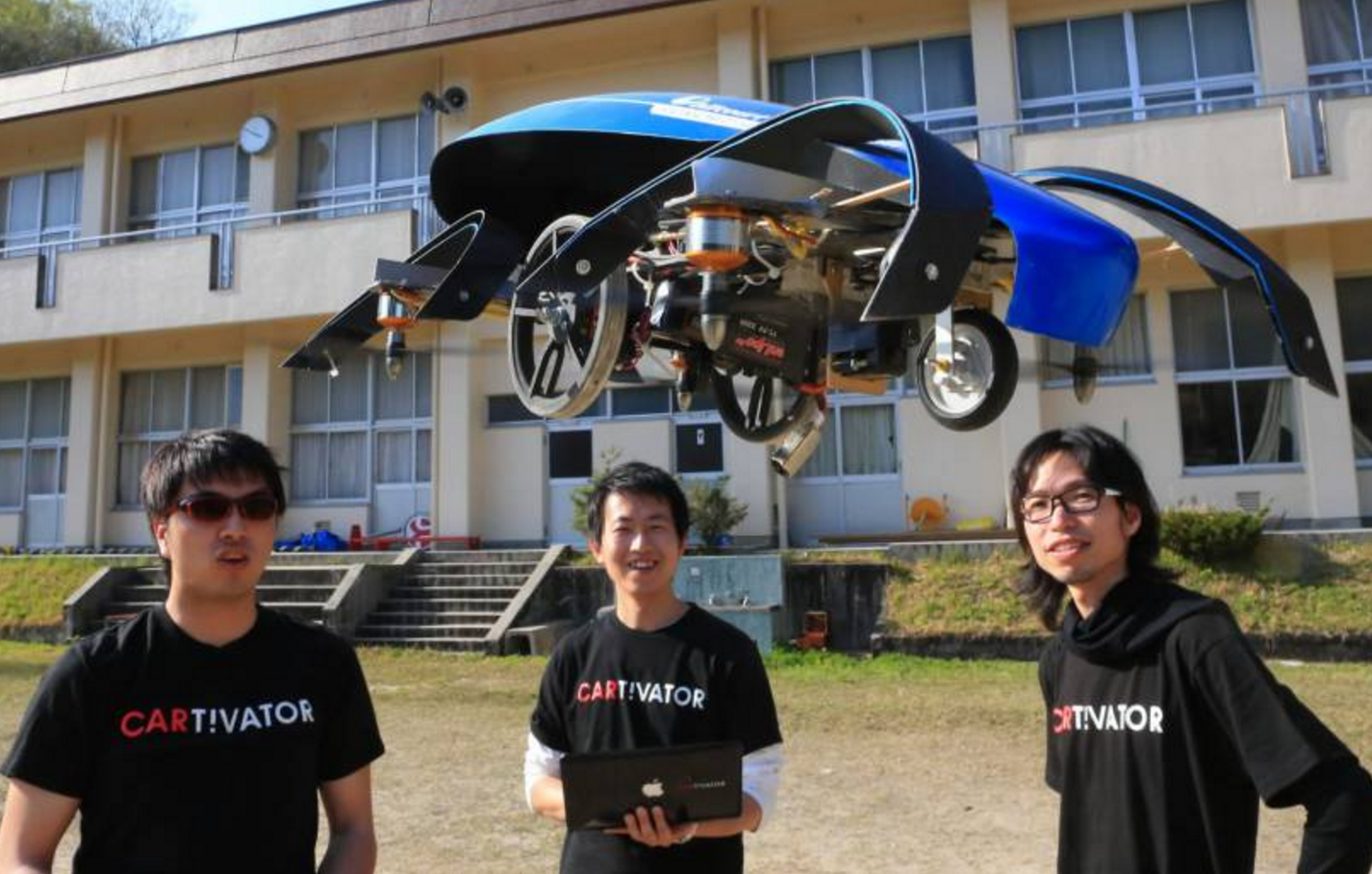
In case there aren’t enough flying cars in the works, a team of 20 young engineers from Japan’s auto industry now say they plan to have a true flying car ready to launch at the 2020 Tokyo Olympics. The design, called Skydrive, will be a small single-seat VTOL about the size of a compact car, with three wheels for driving on the ground and four rotors for flying. It’s operated like a car, with a steering wheel and a gas pedal. The team raised about $25,000 on a crowdfunding site last year and built a one-fifth-size prototype, which they have flown successfully. “We hope to complete [the full-size vehicle] and get it ready for use as soon as possible,” said Tsubasa Nakamura, the team leader. The vehicle could prove a lifesaver in the event of natural disasters, such as earthquakes, Nakamura said, when normal travel by road is difficult.
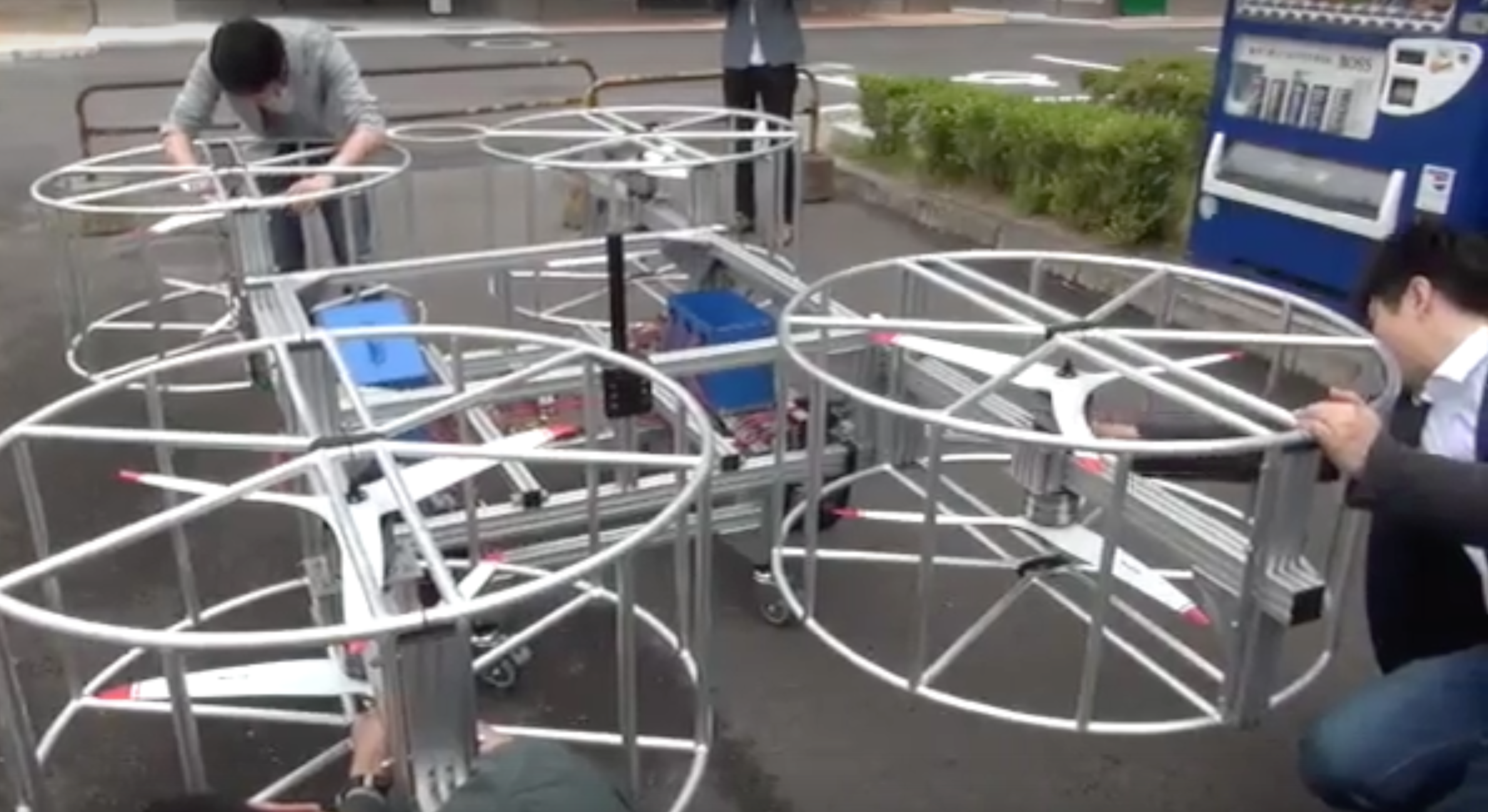
The team says they plan for the vehicle to have a top flight speed of 62 mph, while traveling up to 32 feet above the ground. Besides the small test vehicle, the team also has been working with a full-size technology tester that has completed some flying maneuvers while tethered and operated remotely. In a timeline posted at the team’s website, they say they plan to have a full-size manned prototype flying next year.