
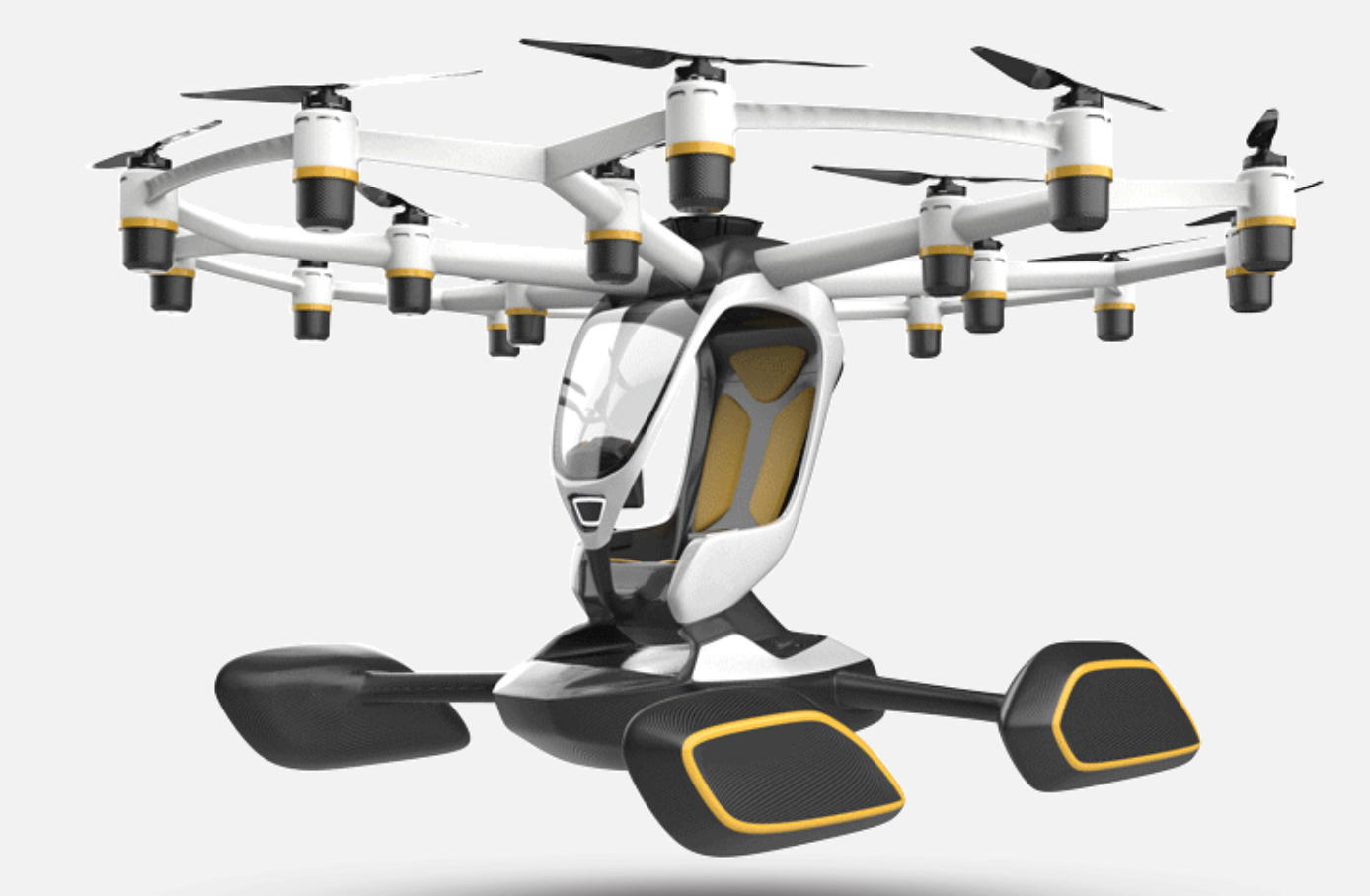
Lift Aircraft, based in Austin, Texas, has introduced a design for an electric-powered VTOL that it aims to operate as an ultralight. The company’s plans include establishing flying zones in scenic, rural areas where customers with no flight experience can take a short training course and then go for a flight on their own. The aircraft, which resembles the Volocopter, weighs 432 pounds and can carry one person. It’s controlled with a joystick and an iPad. Lift details on its website its vision for how the system will work—customers will book a flight by using an app, then watch instructional videos, practice in a simulator and take a test before boarding and taking off on their own to explore, for up to 15 minutes.
On the company website, a post in a discussion forum asks whether such an operation would be allowed under the FAA’s Part 103, and the admin, Matthew Chasen, responds, “You’re correct that Part 103 regulations don’t address this specifically [autonomous flight] because this is made possible by recent technological advances, but we think the FAA will allow for things that make flying ultralights safer. We have had discussions with the FAA, and will make sure we have any necessary waivers in place before beginning operations.” The aircraft, which first flew last month, is expected to fly in public at South by Southwest, in Austin, in March. It’s powered by 18 independent motors and propellers, the landing gear is designed for either land or water landings and it’s built entirely of carbon fiber.