
















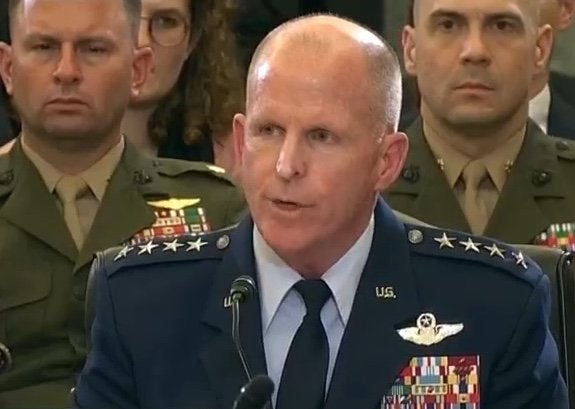
Testifying before the House and Senate Armed Services committees this week, leaders of the Air Force and Navy described the billion-dollar economic impact the national pilot shortage is having on their services. Gen. Steven Wilson, Vice Chief of Staff of the Air Force, told congressional leaders, “We can recruit pilots without a problem. The problem is retaining them. For the last five years, retention of pilots has declined. We need to keep 65% of pilots past the 10-year point,” when pilots’ post-training contracts expire. Gen. Wilson continued, “Today, we’re doing less than half of that.” Wilson reports that the Air Force and Navy train a combined 2,000 new pilots per year at an ultimate cost of $10 million for a seasoned fighter pilot. Retaining 400 more fighter pilots for an additional five-year commitment, by Gen. Wilson’s estimates, would save the Air Force approximately $2 billion.
Service leaders described the push of too little flying, together with long deployments, and the pull of comparatively lucrative airline pay that is drawing pilots out of the armed forces. Gen. Wilson says flying is why people join the Air Force and “today’s fighter pilots are flying 140 to 150 hours a year—that’s significantly down from before.” Pilots averaged 260 days away from home per year during deployment and 110 days away from home on temporary duty when not deployed overseas. Wilson says that when pilots reach the 11-year mark, families ask whether it makes sense to “keep doing this when the airlines are hiring, paying a lot of money, and providing better stability.” Service leaders estimate the major airlines are hiring 4,000 pilots each year to meet the combined needs of industry growth and pilot retirements.

