
















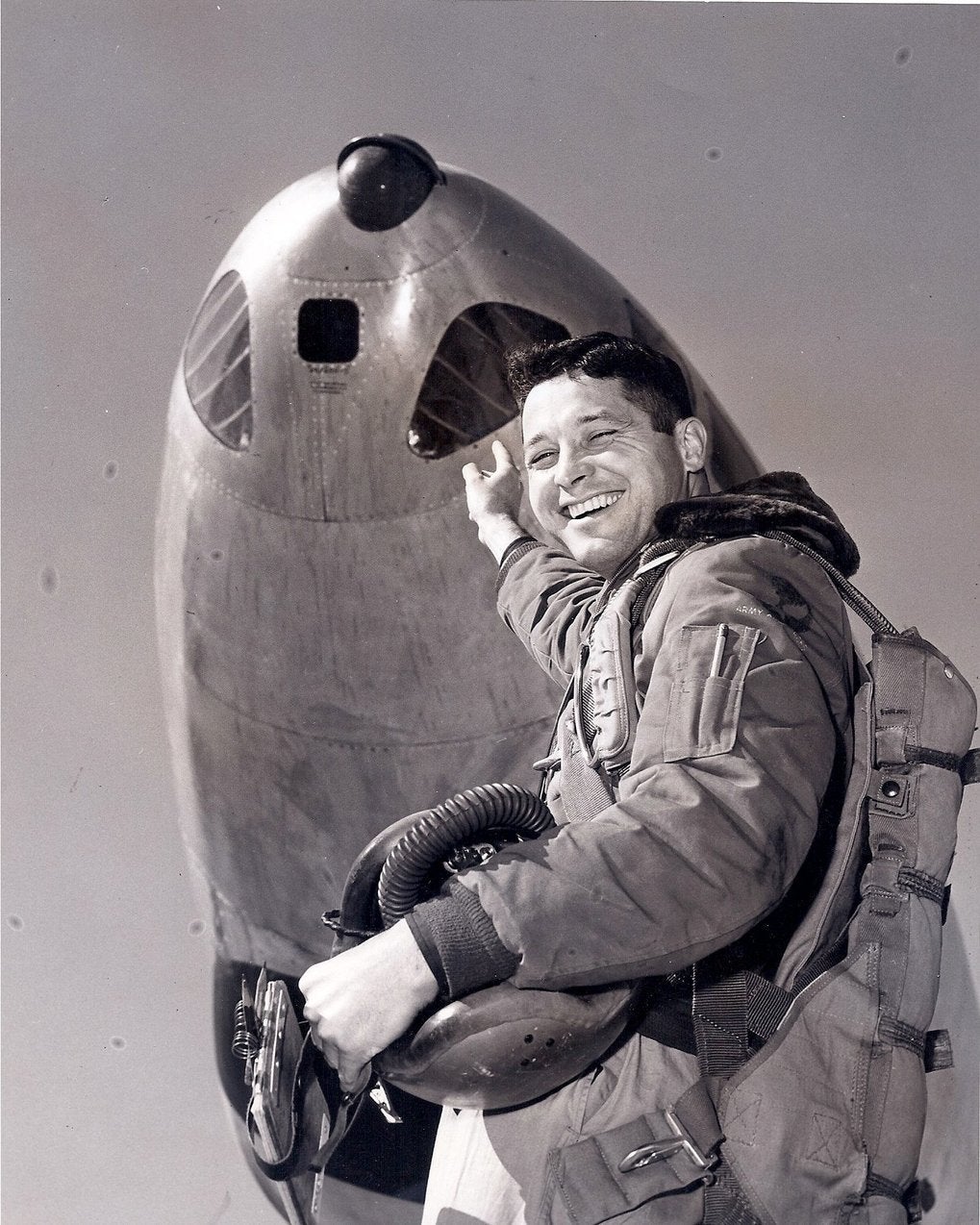
Richard “Dick” Taylor, known for his decades of work on jet designs, died earlier this month at 93 at his home in Seattle. He was a test pilot and later director of engineering for Boeing, where his portfolio included the B-29 tanker, the B-47, B-52 and later, the 737. The Seattle Times noted that Taylor also was instrumental in extended-range twin-engine operations (ETOPS), which reduced the number of engines required for over-water flights. “Today we can’t even imagining building an airplane that required three pilots or three engines, but when he was working those changes, that was really radical thinking,” son Steve Taylor, chief pilot of Boeing Flight Services, told the Times.
Taylor retired from Boeing in 1991, but continued as a consultant. He also was an active GA pilot who enjoyed paying it forward. He owned a number of aircraft for family travel over the years and was awaiting maintenance on his Piper Aerostar when he died, according to the Times. He served on the EAA board of directors and Seattle’s Museum of Flight board of trustees, where he helped develop the organization’s educational mission.

