















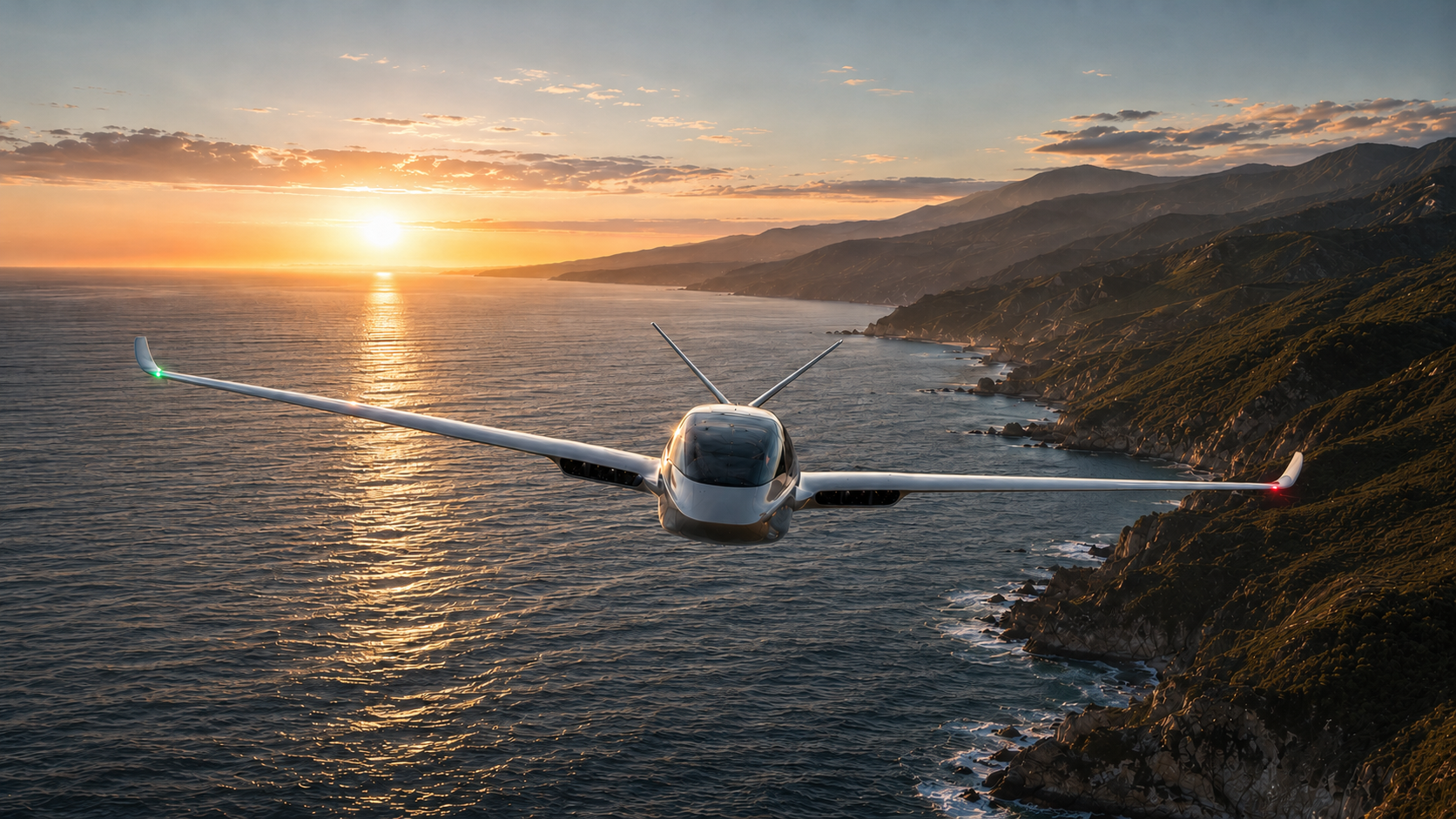

Cosmic Unveils Four-Seat Electric Airplane

The company targets a 2028 prototype flight and deliveries beginning in 2029.

Cosmic Unveils Four-Seat Electric Airplane
[Credit: Cosmic Aerospace]
Gemini Sparkle

Key Takeaways:

  • Cosmic Aerospace unveiled Cosmic One, a proposed four-seat electric airplane they plan to certify under the FAA’s new MOSAIC rules.
  • The Cosmic One features a six-motor design aiming for a 250-knot maximum speed, 250-nautical-mile range, and a 30-minute recharge time.
  • First flight for the prototype is targeted for 2028 with deliveries beginning in 2029, and the company has already secured Centennial Flyers as its first U.S. launch customer and opened reservations.
See a mistake? Contact us.

Cosmic Aerospace on Wednesday unveiled Cosmic One, a proposed four-seat electric airplane that the Colorado company plans to certify under the FAA’s MOSAIC rules. Centennial Flyers, a Colorado flight club that operates 42 aircraft, is the first announced U.S. launch customer. Cosmic also opened reservations for the first 100 aircraft.

Six-Motor Design

The electric airplane is designed around six independent electric propulsors embedded in its wing. Cosmic is aiming for a 250-knot maximum speed, 250-nautical-mile range plus VFR reserves, more than two hours of endurance, a 2,000-fpm climb rate and a 30-minute recharge time. The published design has a 4,400-pound maximum takeoff weight and a 49-foot wingspan.

“Until now, certification has been the biggest barrier to bringing advanced electric aircraft to market,” Cosmic co-founder and CEO Christopher Chahine said. “The physics for electric aviation has worked for years. What held it back was certification economics.”  

Cosmic is targeting the electric airplane at private owners, flight schools and flying clubs. Planned equipment includes a whole-aircraft parachute and advanced avionics.

First Flight Targeted for 2028

Cosmic said is targeting a 2028 first flight for the prototype and is looking for deliveries to begin in 2029. The company said FAA MOSAIC certification is in progress. According to the company, applicants selected for the Founder Series can secure a production position through a fully refundable $2,500 deposit.

The Cosmic One follows two smaller demonstrators that Cosmic has used to test its embedded electric-propulsion architecture. The CX-2 first flew in February 2025 and uses 32 embedded electric motors.

The FAA’s light-sport aircraft certification provisions under MOSAIC took effect July 24, expanding the category to new propulsion types that include electric motors.


Matt Ryan

Matt is AVweb's lead editor. His eyes have been turned to the sky for as long as he can remember. Now a fixed-wing pilot, instructor and aviation writer, Matt also leads and teaches a high school aviation program in the Dallas area. Beyond his lifelong obsession with aviation, Matt loves to travel and has lived in Greece, Czechia and Germany for studies and for work.

Continue discussion - Visit the forum

Replies: 4

  1. Who is going to build out the infrastructure for charging electric aircraft?
    What good is 250 mile range if the destination airport can’t recharge your aircraft?

  2. This airplane is pure fantasy in the timelines they are laying out. Battery density isn’t increasing that fast. And that’s just for starters.

  3. Avatar for jeff2 jeff2 says:

    No, they unveiled an idea. Hopeful one at best.

  4. A few thoughts, based on having done some systems engineering on electric aircraft in the past.

    1. The maximum speed may be 250 kt, but the 250 nmi range is likely to be at about 140 kt, based on the “2+ hours duration” calc. (Figure 2.25 hours, allow 30 mins for VFR reserves leaves 1.75 hours. 1.75 hours at 140 kt is 250 nmi.)
    2. It will need to have very low drag, with a max L/D around 25, which is tough but not impossible. The max L/D speed would be more like 90 kt, given that MOSAIC requires a stall speed down near 60 kt. At 140 kt it would have an L/D closer to 20.
    3. It will need high propulsive efficiency. I’m no ducted fan expert but that feels like a challenge for this design. Ingesting the boundary layer isn’t going to make up for the small propulsors. A more efficient design would use one or two (or four) props to get a large propulsor area.
    4. It will need a very high structural efficiency. The battery is going to be about half the total MTOW. When you allow for systems, interior, motors, inverters and passengers, there isn’t going to be a lot of weight available for the actual structure. It’s not impossible. It’s definitely going to require carbon fiber and ingenuity.
    5. Charging. 'Nuf said.
    6. Range. This is a go-places airplane with a very limited range. Training market, sure. Private owners… hmm. Very cool, but a personal airplane that goes 250 nmi and then has to stop AT AN AIRPORT WITH HIGH-SPEED CHARGERS is going to be very limiting. And combine that with a realistic 140 kt cruise speed (or maybe less)… it’s not going anywhere very fast.
    7. Very cool :slight_smile:
Sign-up for newsletters & special offers!

Get the latest stories & special offers delivered directly to your inbox

SUBSCRIBE

Please support AVweb.

It looks like you’re using an ad blocker. Ads keep AVweb free and fund our reporting.
Please whitelist AVweb or continue with ads enabled.