

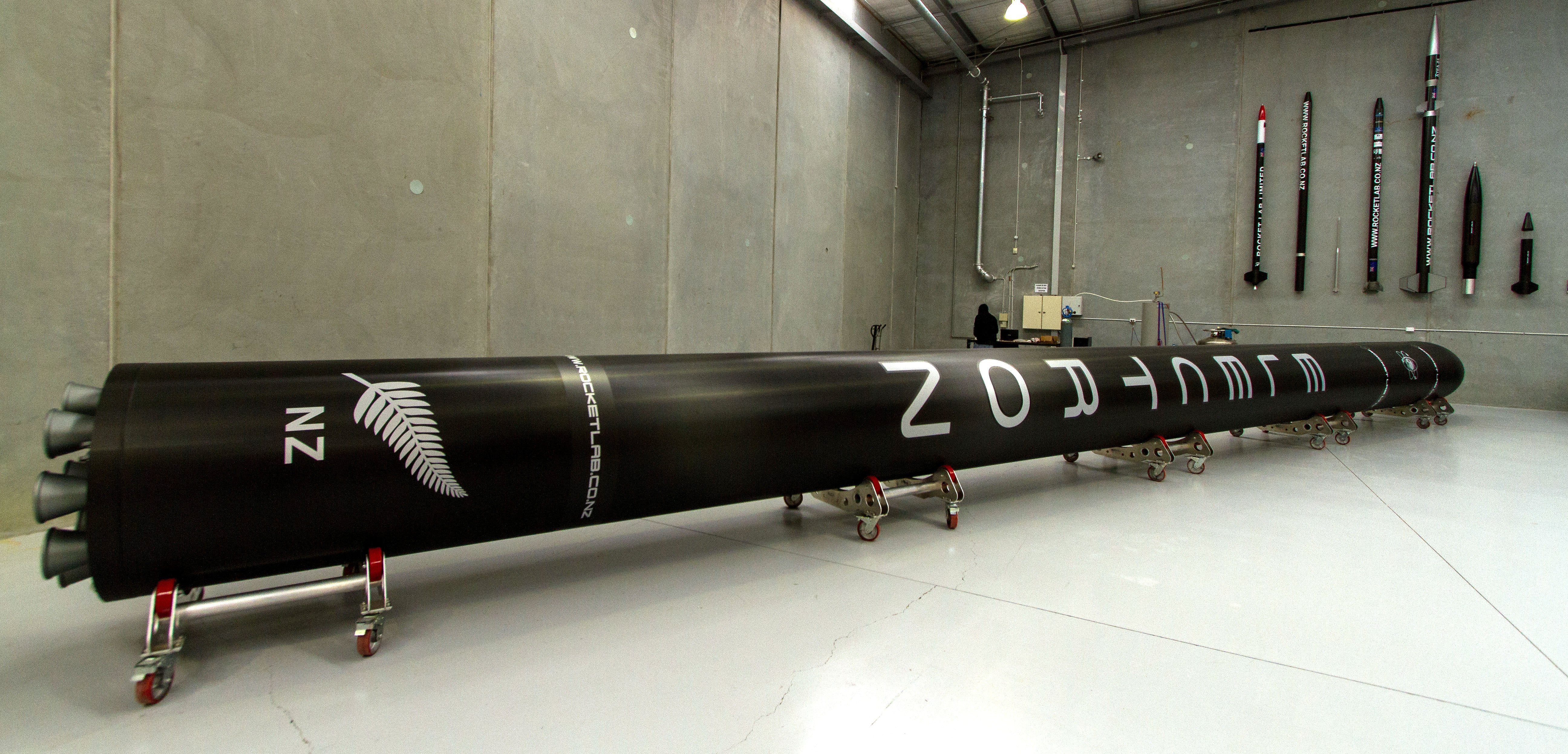
A remote spit of land on New Zealand’s South Island will soon become a space launch site for Rocket Lab, which plans to offer low-cost launches for satellites using a smaller, specially designed rocket. The site is slated for completion by the end of the year and target markets will include universities and small startup companies, Rocket Lab CEO Peter Beck told Bloomberg. The company, which operates in the U.S. and New Zealand, has a two-stage rocket called Electron that can launch for just under $5 million, “the most affordable dedicated launch service for small satellites,” according to the company’s website. “Creating and operating our own launch site is a necessity to meet the demands of our growing customer manifest,” Beck told Bloomberg. “With the launch frequency possible from this site, Rocket Lab is one major step closer to its goal of making space commercially accessible.”
Beck, a New Zealand engineer who founded Rocket Labs in 2007, said the launch site at Kaitorete Spit will allow the company to provide its services without long waits and additional costs compared to government-run sites. The Electron rocket itself has economy built into it; it’s smaller and lighter than average at about 65 feet in length and is constructed with carbon composite material, according to the company’s website. The engine uses electric motors to drive turbopumps and uses 3-D printing for its main components.