
















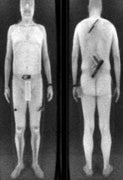
The widespread deployment and use of X-ray based full-body scanners at airports is the new norm, but critics say the machines are ineffective, can cause cancer, and overstep civil rights — because of that, legal battles continue. In late November, the European Commission linked X-ray “backscatter” machines to a number of cancer cases and moved to ban the machines from European airports. In the U.S., one security study found that subjects could fool the machines with relative ease. Meanwhile, the TSA has taken the position that individuals randomly selected for scans must comply with either exposure to the backscatter machine or a full-body pat down. Failure to submit to either could lead to detention or a fine. While most Americans seem content to comply, one organization taking issue with the agency’s claims has presented legal challenges to the manner in which the machines were put online.
AVweb‘s Glenn Pew spoke with Ginger McCall, counsel at the Electronic Privacy Information Center, to learn what those challenges are and what they might accomplish. Click here to listen.

