
















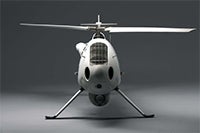
Integration of unmanned aircraft systems (UAS) into the U.S. national airspace system is scheduled for 2015 and, according to the UAS industry itself, that will create more than 70,000 jobs and have a broader economic impact of more than $13.6 billion by 2019. The numbers are not from an independent study but from a study done by the Association for Unmanned Vehicle Systems International. It details specific job growth forecasts within the first decade following integration. By 2025, the study predicts more than 100,000 new jobs will be created by the new industry in manufacturing, maintenance, operation, sales and support.
The association believes that the total impact of the segment could reach more than $82 billion by 2025. As the FAA works to determine test sites for integration, the association warns that delays delay the economic benefits it predicts the industry could bring. According to the study, “Every year that integration is delayed, the United States loses more than $10 billion in potential economic impact.” The figure translates to more than $27 million per day. The association predicts that tax revenues will also be generated through the developing industry, predicting it could generate “more than $482 million in the first decade following integration.” UAS could see work in a wide range of industries from agriculture to disaster management, law enforcement, environmental monitoring, news coverage and perhaps freight transport. The association believes the three states most likely to see the greatest benefit from the additional revenue of UAS systems are California, Washington and Texas.

