















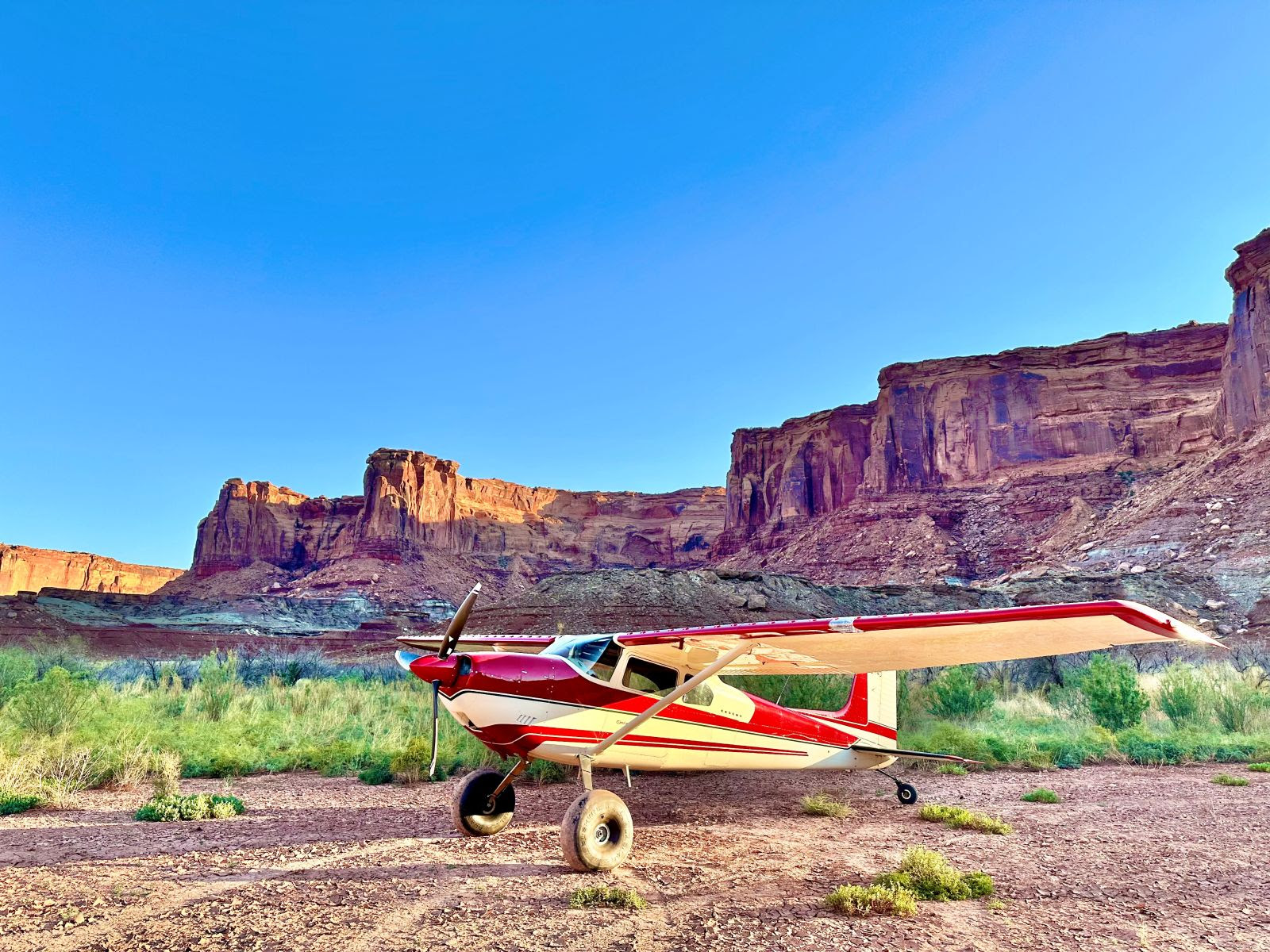

The Recreational Aviation Foundation (RAF) and the Bureau of Land Management (BLM) have renewed a memorandum of understanding establishing coordination on aviation-related activities across BLM-managed lands. The agreement, signed late last month, updates a prior memorandum originally executed in 2015.
“This renewal has been years in the making,” RAF Chairman John McKenna said. “It is a huge stride toward fulfilling the RAF mission and ensuring our continued successful cooperation with this major federal land manager.”
The memorandum outlines collaboration between the organizations on the preservation, maintenance and improvement of existing backcountry airstrips, as well as coordination related to recreational aviation access. RAF state liaisons are expected to participate in early planning stages of projects that may affect aviation access and to help initiate airstrip-related work.
“This renewed MOU marks an exciting step forward in our ongoing collaboration, and we look forward to the continued great work we’ll accomplish together,” Cory Roegner, BLM deputy division chief for recreation and visitor services, said.
The agreement is set to remain in effect for five years and may be continue to be renewed upon mutual consent.
The RAF, a nonprofit organization founded in 2003, works on projects related to recreational aviation access, including airstrip development and maintenance.


Very good.
In contrast, Parks Canada’s eco-fools wanted to eliminate the long-established landing strip beside Freeway 1 between Calgary and Banff AB.
Never mind wildlife were quite used to noise, given heavy trucks and hotrod jurks on the highway.
I’ll grant that any very near the strip in the rare event of an airplane making an emergency landing could be scared, though they may notice them at altitude if pilots stay somewhat low.
(Fenced, I recall - definitely from the highway to keep animals off of it (they like to get early grass which grows beside highway, in winter may lick salt from side of road.)
Yes, animals like easy access to salt, porcupines really need it as their metabolism does not handle it like other mammals (that’s why they chew into doors and boxes humans have handled).
BC highways maintainers got smart and moved Beware Animals signs to where they’d been observed most often (access routes, and curves IIRC as salt accumulates there).