
















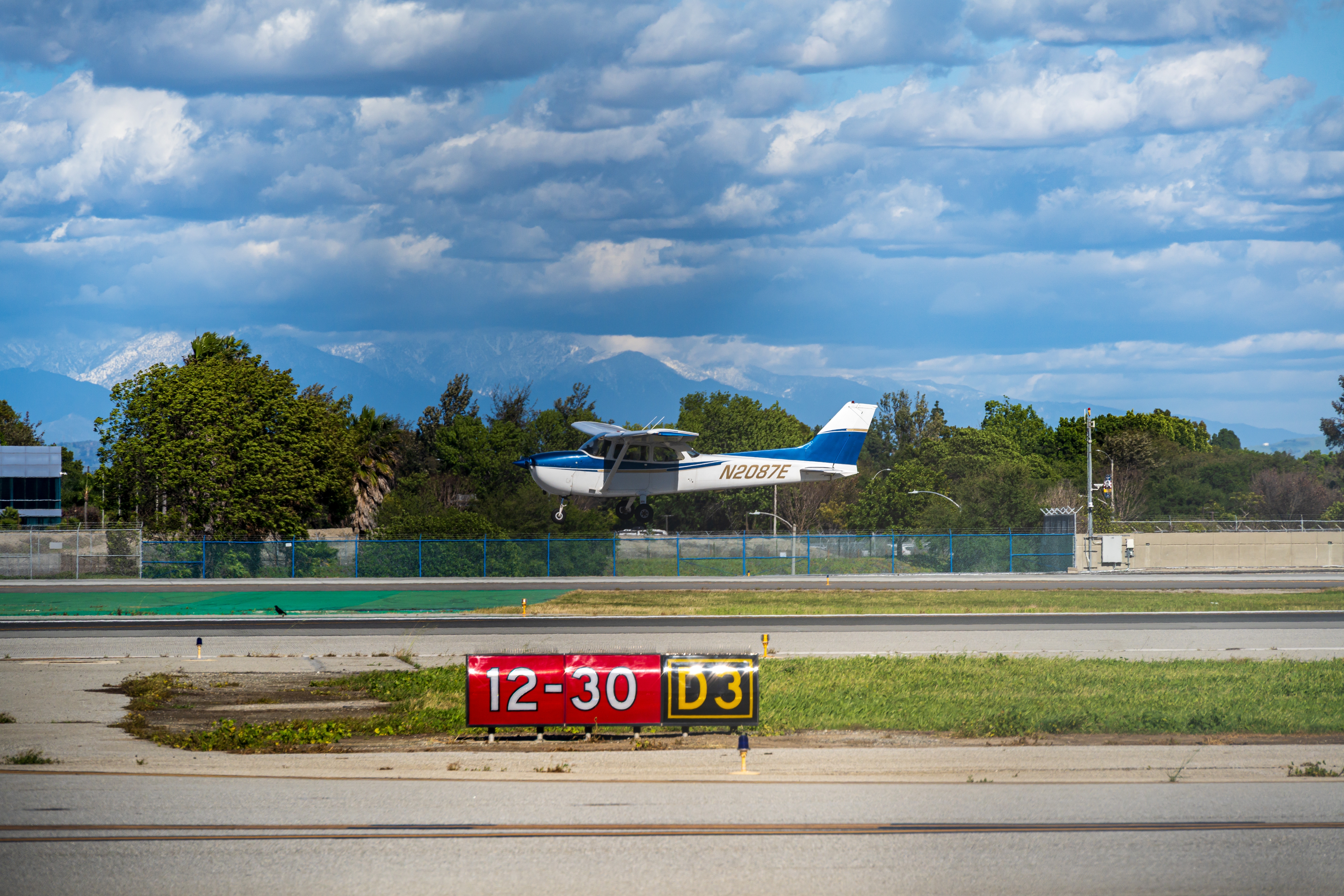

Long Beach Airport officials are exploring whether the airport can implement landing fees for general aviation aircraft, with the Airport Advisory Commission scheduled to receive a legal briefing on the issue this week.
The discussion, highlighted by the Long Beach 4th District Blog, follows questions from commissioners about whether the airport’s existing fee structure could be expanded to include privately operated aircraft. The issue has also drawn attention from some Long Beach residents who continue to call for measures to address aircraft noise and increased general aviation traffic at the airport.
According to the commission’s meeting agenda, the presentation will focus on FAA policies, federal grant assurances, and other legal considerations governing airport fees. Long Beach Airport has historically relied on revenue sources including hangar rents, fuel flowage fees, leases, and commercial airline operations rather than landing fees for most general aviation activity.
Airport staff are expected to explain that Long Beach can impose landing fees on general aviation aircraft, but only if those fees are designed to recover the airport’s actual operating and capital costs. FAA regulations prohibit federally funded airports from using fees as an indirect means to reduce aircraft activity, discourage certain users, or address noise concerns.
Airports that have accepted FAA Airport Improvement Program grants must ensure that fees are reasonable, nondiscriminatory, and consistent with federal obligations.
A similar debate is underway at Falcon Field Airport in Mesa, Arizona, where the FAA is reviewing proposed landing fees for general aviation operators.
Any future landing fee program would require additional public discussion and FAA review before implementation.


0 replies