















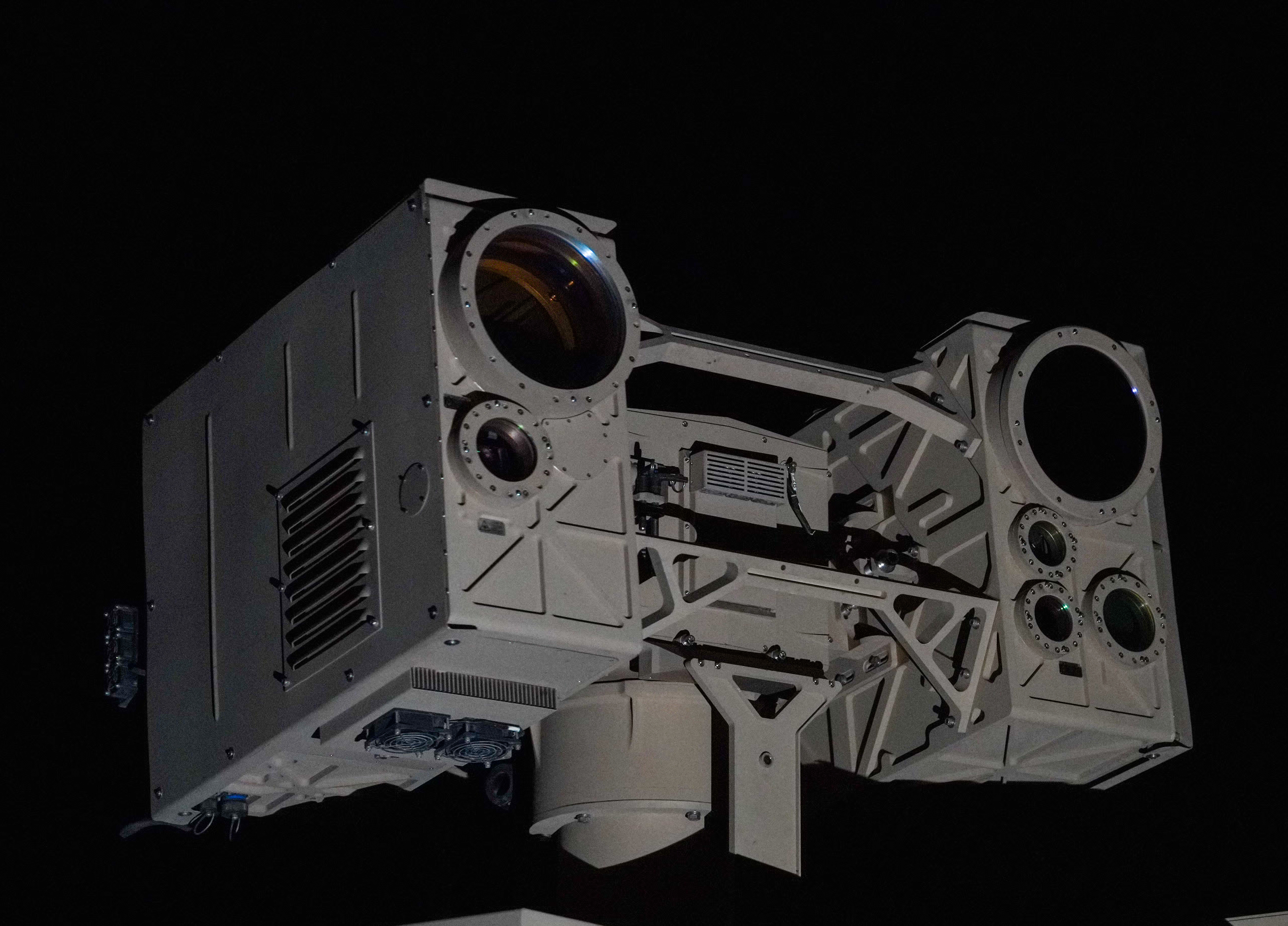

The U.S. military says suspected drone activity in the Rio Grande Valley has dropped roughly 75% since troops began using a high-energy laser to bring down unmanned aircraft along the southern border. The system first engaged drones Aug. 25 and 26 and has destroyed 11 over a 10-day period, according to CBS News. Military officials acknowledged that other factors, including operators shifting routes, could also be contributing to the decline.
Laser Joins Counter-Drone Operations
The military had already been using electronic jamming to send some drones back toward their operators. Officials say about 300 drones believed to be linked to cartels have been stopped since the beginning of the year. The laser gives troops the option of physically disabling an aircraft they consider a threat.
“The game changer is ensuring that that tool can’t be used again against you,” Army Col. Robert Felicio, commander of the 130th Maneuver Enhancement Brigade, told CBS News.
Felicio said his unit has seen a significant change in activity since the laser entered service.
The Army is using a version of AeroVironment’s LOCUST counter-drone laser, and military officials say multiple systems are deployed along the border. The system tracks a target and directs a concentrated beam at components on the aircraft. Rain, moisture and other atmospheric conditions can reduce its effectiveness.
FAA Signs Off After Testing
“Following a thorough, data-informed Safety Risk Assessment, we determined that these systems do not present an increased risk to the flying public,” FAA Administrator Bryan Bedford said in an FAA statement.
The FAA and military completed the assessment after demonstrations at White Sands Missile Range and said future operations would include coordination intended to protect civilian aircraft, pilots, navigation equipment and air traffic services.
The agreement followed two airspace disruptions involving the lasers earlier this year. In February, an operation near Fort Bliss prompted the FAA to shut down air traffic around El Paso International Airport for more than seven hours amid concerns about the system’s use near civilian aircraft. About two weeks later, military personnel near Fort Hancock used a laser to shoot down what they believed was a threatening drone. The aircraft turned out to belong to Customs and Border Protection, and the FAA imposed additional restrictions in the area.


0 replies