
















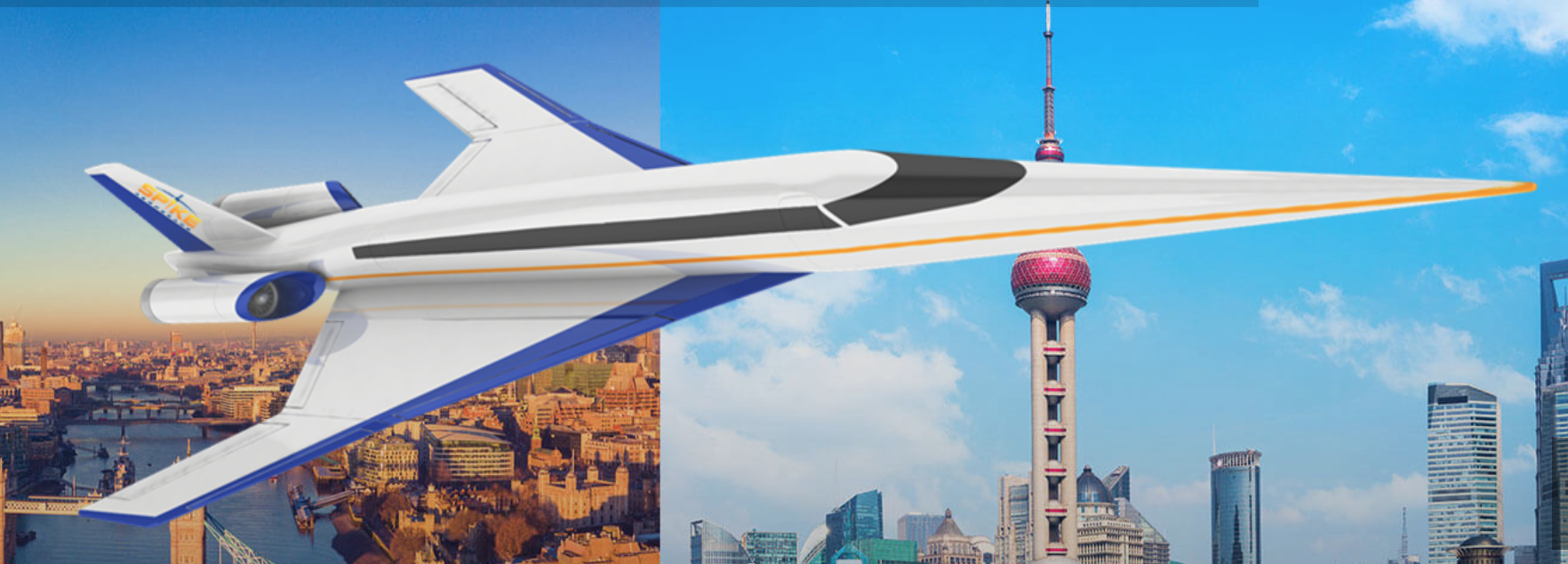
Vik Kachoria, CEO of Spike Aerospace, said last week he expects to have a commercial supersonic aircraft design flying by the end of 2023. “There’s a lot pieces that have to come together,” Kachoria told Bloomberg’s Caroline Hyde in an online interview. “You’ve got to be able to fly at a reasonable cost, and you’ve got to be able to fly without making a sonic boom … It takes time.” Kachoria said he is negotiating with “two major airlines” who are interested in his company’s technology, and he expects the aircraft to sell for about $125 million. But what matters, he said, is seat cost, and he believes a supersonic airliner can compete with the cost of a business-class ticket on a traditional airline. “Time is critically important to a lot of business travelers,” he said. He believes there’s a market for supersonic flight, and his company will be able to offer a price point that will appeal to millions of travelers eager to reduce their time in transit.
Lockheed-Martin is working with NASA to fly a quiet supersonic X-Plane by 2021. That aircraft is designed purely for test flying, not for commercial use. The FAA recently said it’s going to propose two new rules next year that will create some opportunities to reconsider its ban on supersonic flight over land and to explore new technologies. NASA has been working to develop quiet supersonic technology that would reduce the sound of an aircraft breaking the sound barrier to a gentle thump that may be less disruptive. Kachoria said his aircraft is being designed to reduce the effect of the sonic boom “tremendously.”

