
















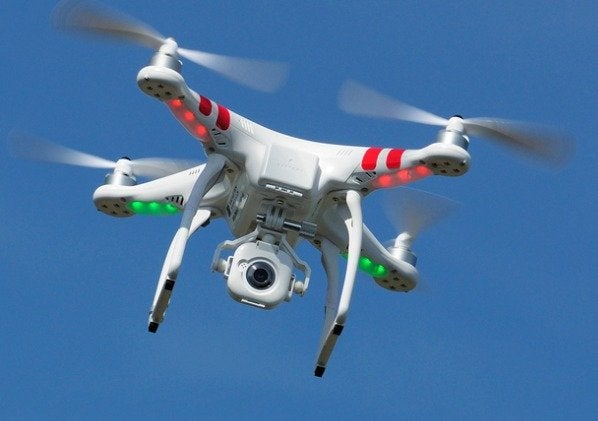
Certified drone operators may now fly small UAS, weighing less than 55 pounds, up to 400 feet AGL, the FAA said today, expanding the flight zone from the previous limit of 200 feet. The policy change follows a “comprehensive risk analysis,” the FAA said. Operators still are restricted to daytime VFR. They also must still keep the drone within sight and stay away from airports and heliports. “This is another milestone in our effort to change the traditional speed of government,” said FAA Administrator Michael Huerta. “Expanding the authorized airspace for these operations means government and industry can carry out unmanned aircraft missions more quickly and with less red tape.”
The change applies to UAS operators with a Section 333 exemption and to government UAS operations. Other provisions of an FAA authorization, such as registering the drone and making sure operators are certified pilots, still apply. The Association for Unmanned Vehicle Systems International welcomed the change. “The FAA’s decision … provides greater flexibility to those receiving FAA exemptions and makes it easier for more commercial UAS operators to access the skies,” said AUVSI President Brian Wynne. “However, the FAA still needs to finalize its small UAS rule as quickly as possible … The new blanket COA altitude remains lower than the operating ceiling of 500 feet proposed in the small UAS rule.” The final rule, expected this spring, is expected to make it easier to use drones commercially, especially if the requirement to hold a pilot certificate is eliminated, as anticipated by some in the industry.

