
















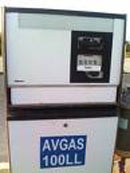
In our story last week about the Unleaded Avgas Transition team’s deliberations, we reported that the committee increasingly believes a direct drop-in unleaded replacement isn’t likely. But one reader wrote to ask about the recently approved 100VLL, which the FAA announced as an approved fuel in SAIB NE-11-55. Isn’t this a direct drop-in? Yes, it is, but it’s also not an unleaded fuel, but one that contains about 19 percent less lead than 100LL. It still meets exactly the same octane requirements as 100LL and fits right into ASTM D-910, the current industry avgas specification. The 100VLL spec was developed at the request of industry groups as a potential alternative to 100LL for use in areas where airports may represent point sources of lead emissions that exceed emerging national air quality standards. Until the EPA completes its research on lead endangerment, it’s unclear if 100VLL will have any role in future fuel supplies.
As far as what defines “drop-in replacement,” it’s generally considered to be a fuel that has the same octane value as 100LL and/or one that can meet any of the other octanes and requirements found in ASTM D-910 and can be handled by the existing transportation and distribution network without regulatory or infrastructure changes. Octane is only one factor. While 100VLL meets D-910, the ARC committee said last week that it appears that unleaded replacements may not, hence the statement about an unleaded drop-in being unlikely. That doesn’t mean they aren’t suitable replacements; it only means they don’t meet fuel certification specs as currently written, thus revisions may be necessary.Further, the lack of across-the-board drop-in capability may require the development of entirely new fuel certification specifications and expensive testing. The FAA or industry will have to come up with the resources to do that testing.

