
















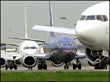
The emergency declared by an American Airlines 767 crew landing at JFK on May 4, 2010, may have been unusual, but it might also represent a situation that’s closer to “normal for JFK” than an emergency call might suggest. AVweb spoke this week to a JFK-based 13-year veteran American Airlines pilot and asked him to share his insights about operations, stresses, and pilot/controller interactions at JFK, and what — if anything — can be done to improve them.
Flight 2 was an American Airlines 767 out of Los Angeles for JFK on May 4, 2010. As the airliner approached, wind was 320 at 23 gusting to 35. Once in the queue, the flight was not directed to land on 31R into the wind. Controllers instead directed the jet to land on Runway 22L with a gusty direct crosswind. When the pilot responded that “if you don’t give us to Runway 31R, we’re going to declare an emergency,” the controller’s reaction to the “emergency” and the recorded interaction that followed quickly spread through the pilot community.
To hear the original radio transmissions, click here, then click here for our conversation with Goldberg.

