
















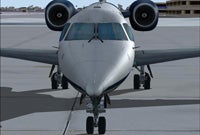
As the NTSB continues its discussion of pilot professionalism this week, it might consider the performance of two crews who, on separate occasions, neglected to start the second engine before attempting takeoff. The Wall Street Journal reported that both incidents occurred in regional jets, the first last year as an American Eagle Embraer lined up at Los Angeles for a short flight to San Diego. When the crew advanced the throttles, one engine failed to respond and when they taxied back to the gate to report it, mechanics informed the crew that the engine had never been started. A similar incident occurred last March at Dulles, again in an Embraer operated by Trans States Airlines. Once again, according to the Journal story, the crew noticed the inert second engine only when the thrust levers were moved forward for the takeoff.
To save fuel, some airlines routinely taxi on a single engine, then start the second before takeoff. In the first incident, the second officer evidently became distracted by radio calls during the start sequence and failed to notice that the second engine hadn’t lighted. Both airlines were or are investigating the incidents.

