














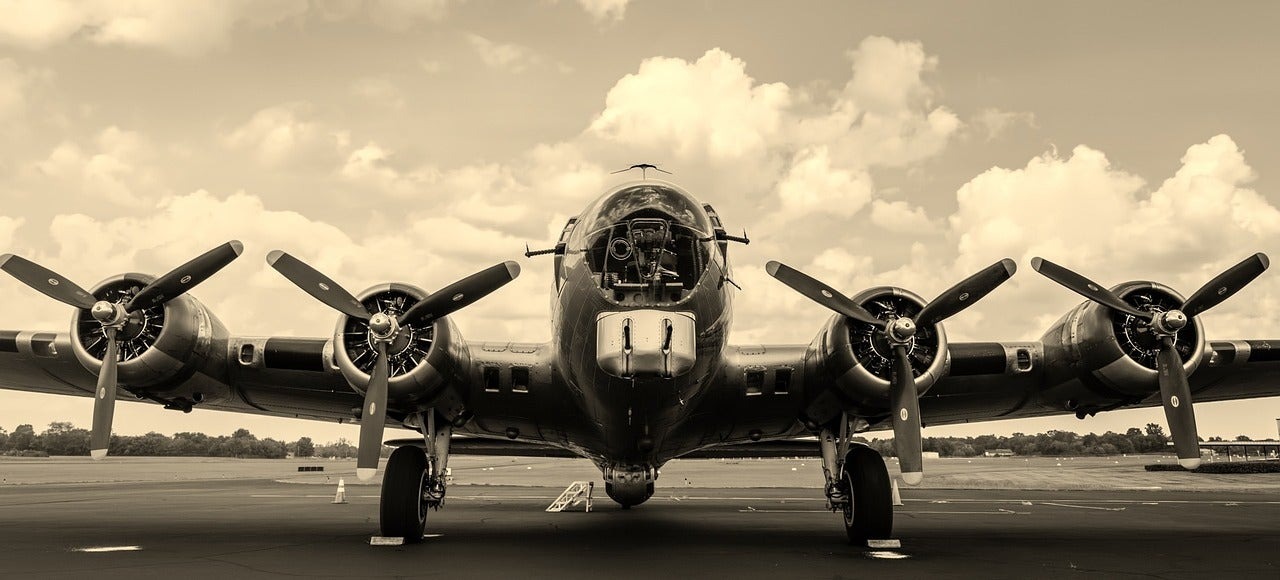

The history of military aviation has been shaped by technological leaps, pivotal battles, and the individuals who flew the missions. The stakes are high and courage is a necessity, but the full story is often found in the personal accounts of the pilots themselves. These stories provide a window into the human element that drove aviation forward, even under the most demanding circumstances.
The Dawn of Air Combat: World War I
Winged Victory by V.M. Yeates
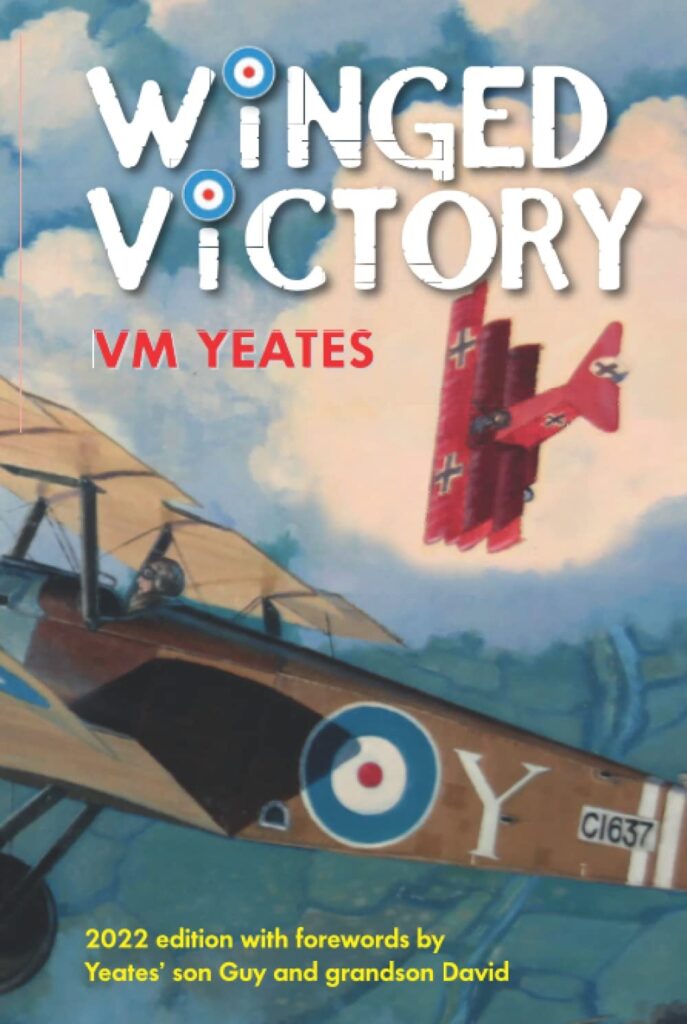
Considered one of the most authentic portrayals of aerial combat in its infancy, this semi-autobiographical novel is set on the Western Front. Author V.M. Yeates, an RAF pilot, uses his intimate familiarity with primitive biplanes and the constant mortal danger of the era to drive the narrative. The book avoids glorifying the life of a fighter ace, instead focusing on the crushing fatigue, nagging fear, and the sudden grief that accompanied every mission. It explores how a short life expectancy shaped camaraderie among pilots.
READ MORE: 10 Great Books on Aviation History
Perspectives from World War II
The First and the Last by Adolf Galland
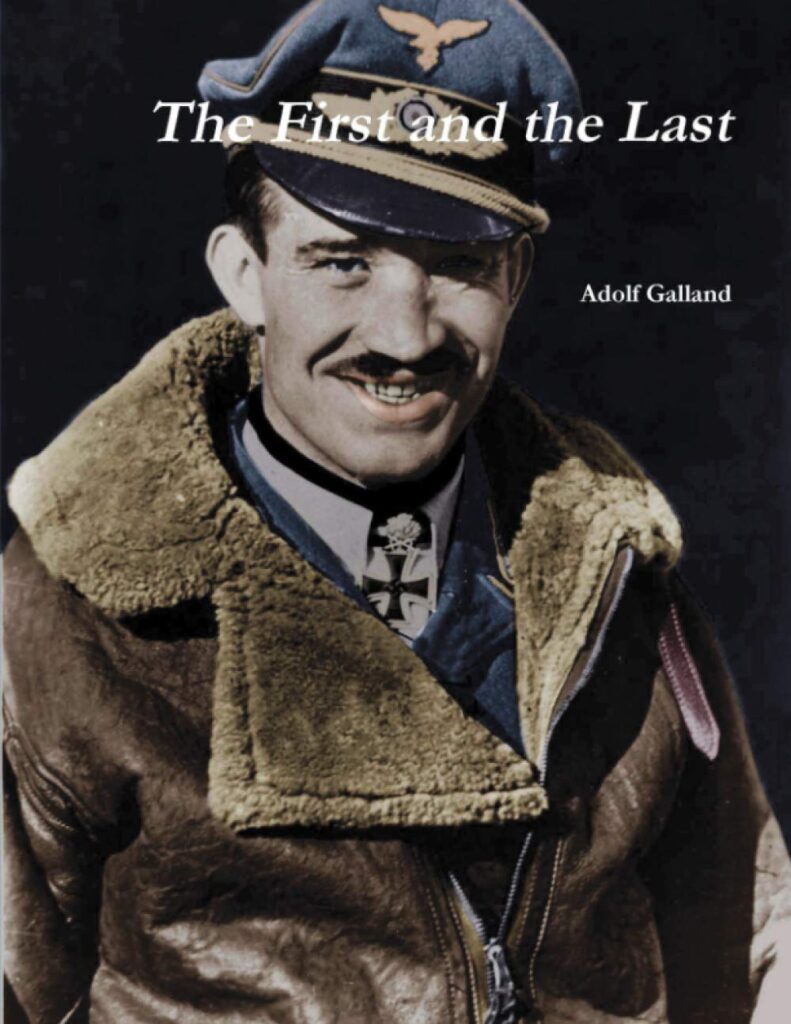
As one of Germany’s most famous fighter aces and eventual commander of the Luftwaffe’s fighter forces, Galland provides an insider’s view into the evolution and downfall of Nazi air power. His account offers a candid critique of German leadership, detailing the friction between operational demands and political meddling, as well as the rapid technological advancements in aircraft that defined the war.
READ MORE: Top Pilot Jobs Open This Week
Reach for the Sky by Paul Brickhill
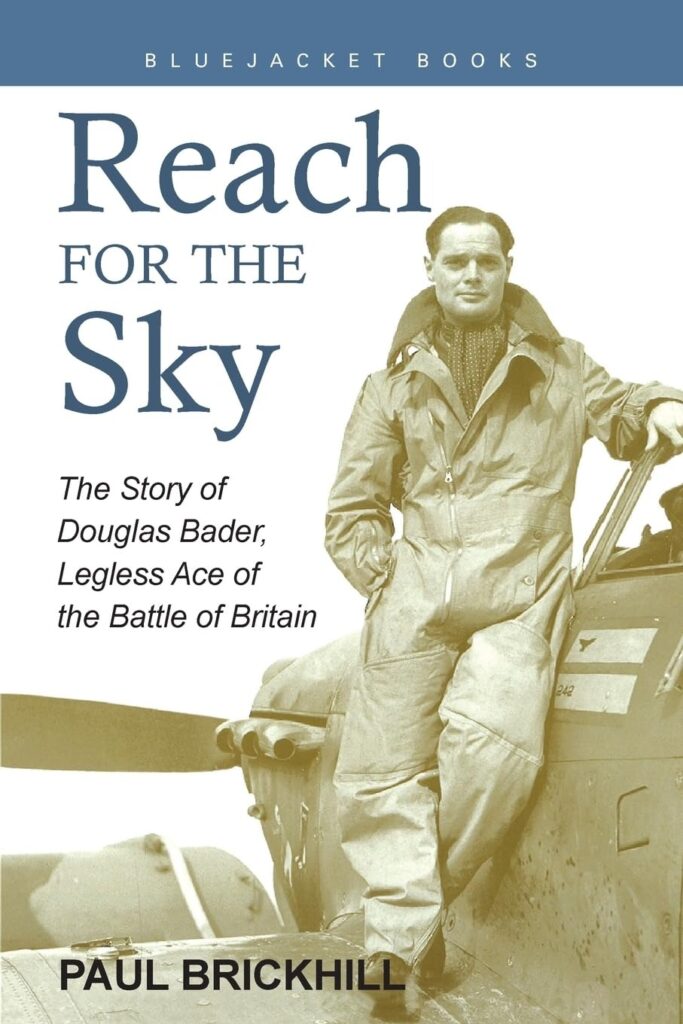
This biography chronicles the story of Douglas Bader, who lost both legs in a crash before the war. He fought to return to active flight duty with the RAF and became one of its most celebrated aces, known for his leadership during the Battle of Britain. The book is a narrative of resilience and a refusal to accept limitations.
Samurai! by Saburo Sakai, Martin Caidin, and Fred Saito
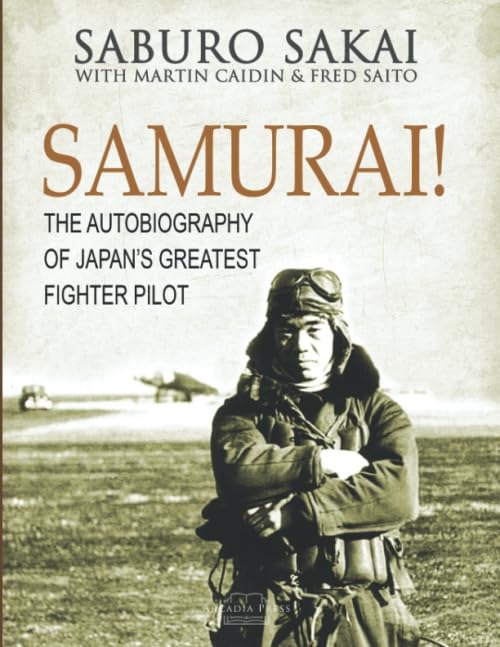
Offering a view from the Japanese perspective, which is often unexplored in Western literature, this book details the experiences of fighter pilot Saburo Sakai. His accounts of dogfights highlight the skill required to pilot the Mitsubishi A6M Zero. The narrative also reveals the exhausting toll of the war, centered around a near-fatal combat wound and his harrowing return to base.
A Higher Call by Adam Makos
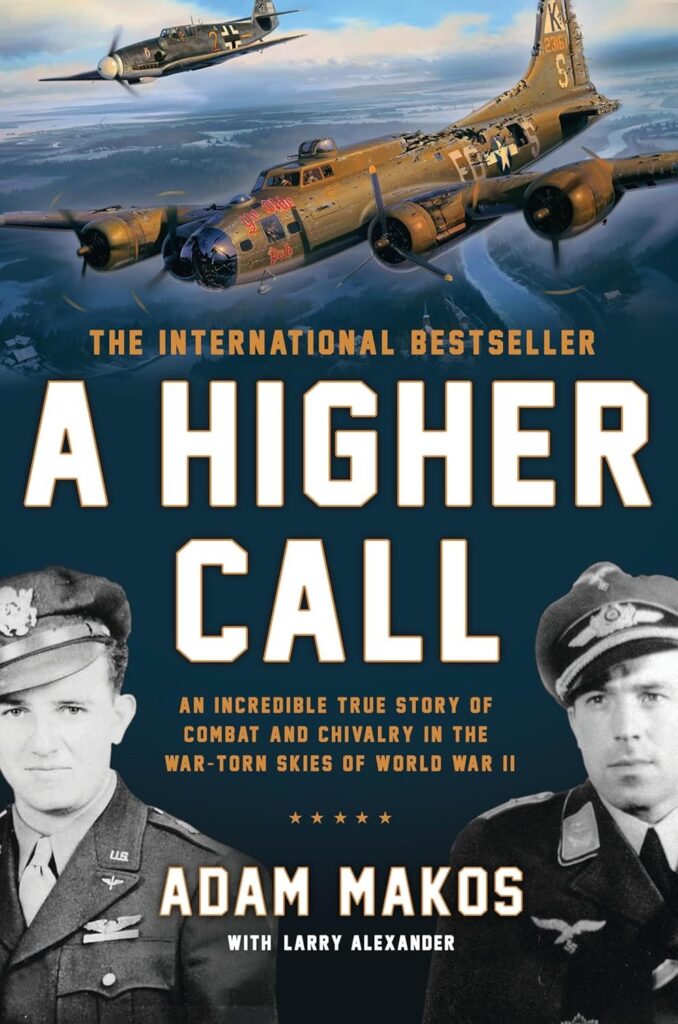
Based on interviews and archival research, this book recounts the true story of a B-17 pilot, Charlie Brown, and a Luftwaffe ace, Franz Stigler. In December 1943, Stigler intercepted a gravely damaged B-17 over Germany. Instead of destroying the bomber, Stigler chose to escort it to safety.
The Jet Age and The Vietnam War
Fighter Pilot: The Memoirs of Legendary Ace Robin Olds by Robin Olds, Christina Olds, and Ed Rasimus
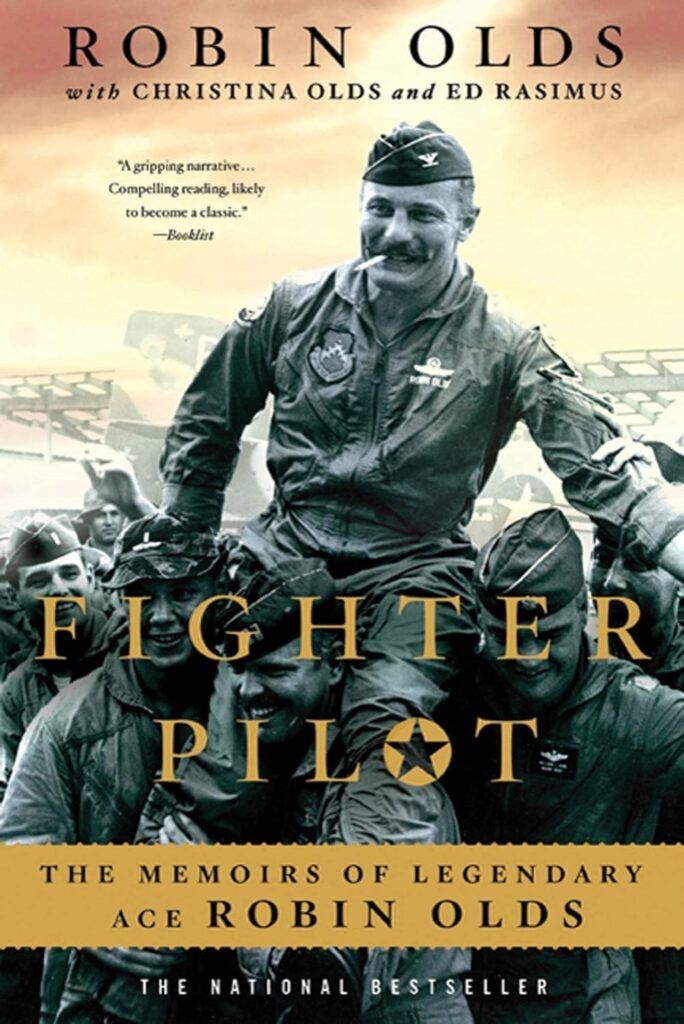
This memoir takes readers into the cockpits of aircraft ranging from the P-38 Lightning to the F-4 Phantom II. It covers Olds’ personality, including his famous handlebar mustache, and provides accounts of dogfights that demanded split-second decisions. The book also reveals Olds’ role as an advocate for military aviators, particularly his struggles with strategic disagreements and red tape during the Vietnam War.
Chickenhawk by Robert Mason
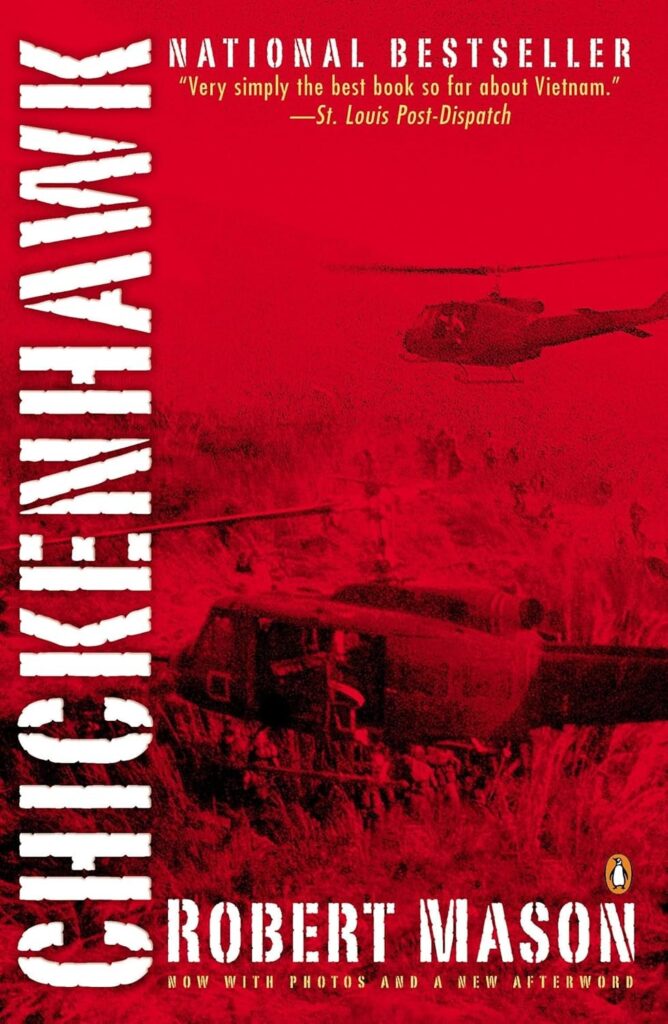
Helicopters like the Bell UH-1 Huey changed the face of warfare, and this firsthand account places the reader directly in its cockpit. Mason describes weaving through jungle canopies, ferrying troops into hot landing zones, and executing dangerous medevac missions. The narrative lays bare the grinding stress and psychological toll of warfare while also highlighting the camaraderie among pilots.
When Thunder Rolled by Ed Rasimus
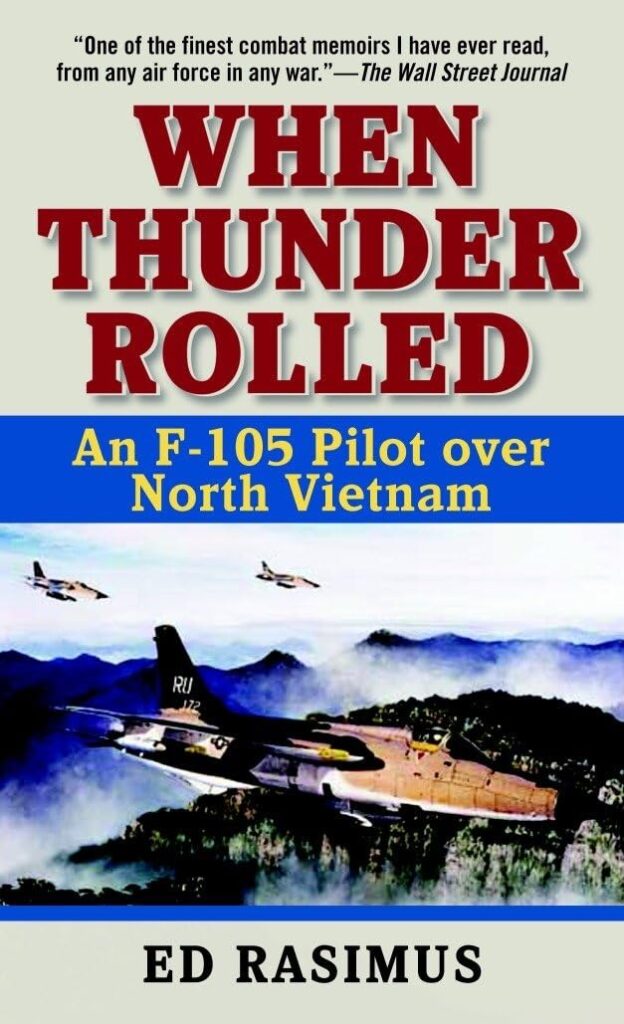
F-105 Thunderchief pilots were tasked with one of the most dangerous jobs in Vietnam: flying low-altitude strikes against heavily defended targets in North Vietnam during the Rolling Thunder bombing campaign. Rasimus recounts how strategic decisions made in Washington, D.C., influenced morale and how mission success often depended as much on a pilot’s skill as on the broader political game.
Modern Warfare and Strategic Thinking
Boyd: The Fighter Pilot Who Changed the Art of War by Robert Coram
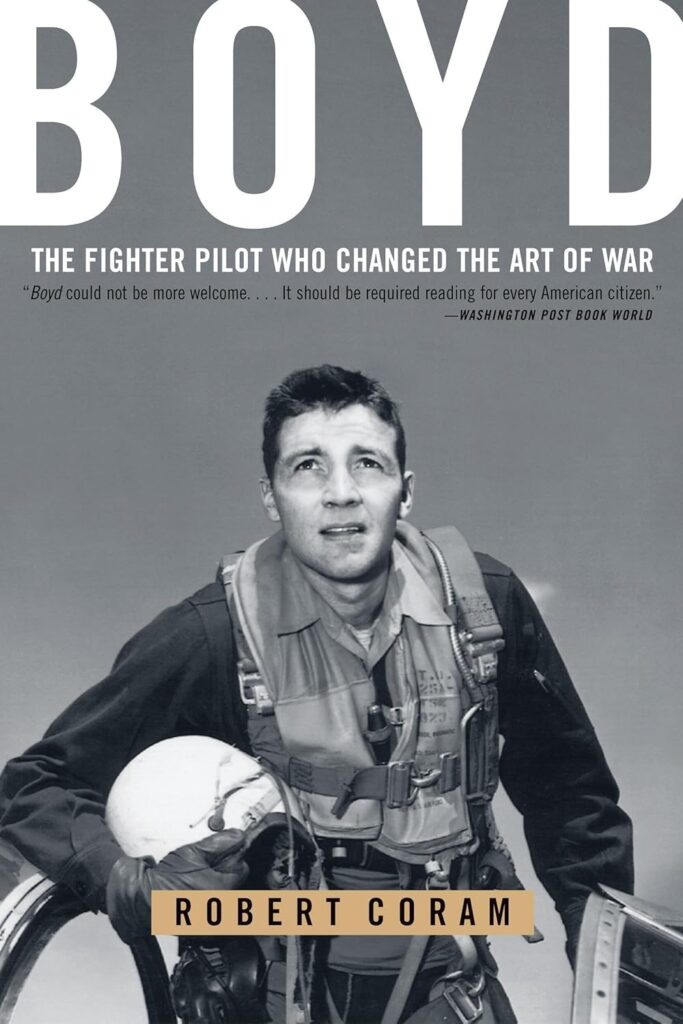
John Boyd earned the nickname “Forty-Second Boyd” for his ability to win any simulated air combat engagement in under a minute. This biography explores his revolutionary tactical theories, such as the OODA Loop (Observe, Orient, Decide, Act), which influenced everything from fighter design to overall battle planning. Coram also details the internal Pentagon battles Boyd fought to reform how the U.S. designs and deploys its aircraft.
Viper Pilot: A Memoir of Air Combat by Dan Hampton
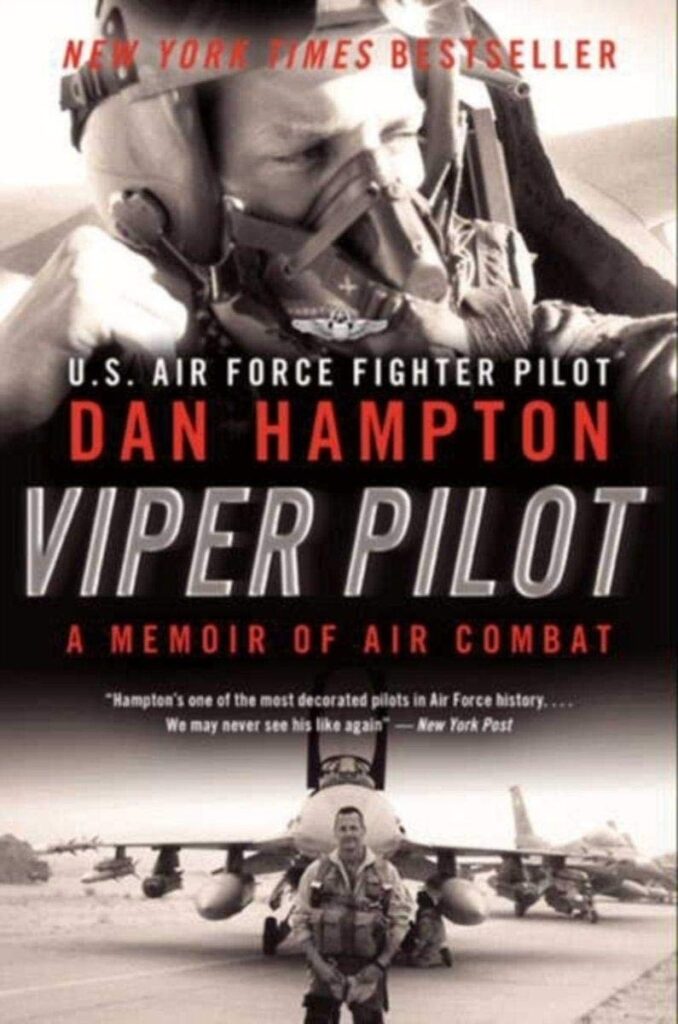
Providing an unfiltered account of modern military aviation, this memoir is from the perspective of an F-16 “Viper” pilot who flew in the Gulf War, the Kosovo conflict, and the war in Iraq. Hampton’s book moves beyond dogfighting to examine the intricate coordination required between air assets, ground forces, and technology to achieve mission objectives in the modern era.
AVweb may earn revenue from the products available on this page and participate in affiliate programs.

0 replies