















The National Transportation Safety Board (NTSB) concluded that the pilot of a Lancair ES that crashed during arrival to EAA AirVenture Oshkosh 2024 failed to maintain adequate airspeed while maneuvering for traffic spacing, resulting in an aerodynamic stall and fatal crash.
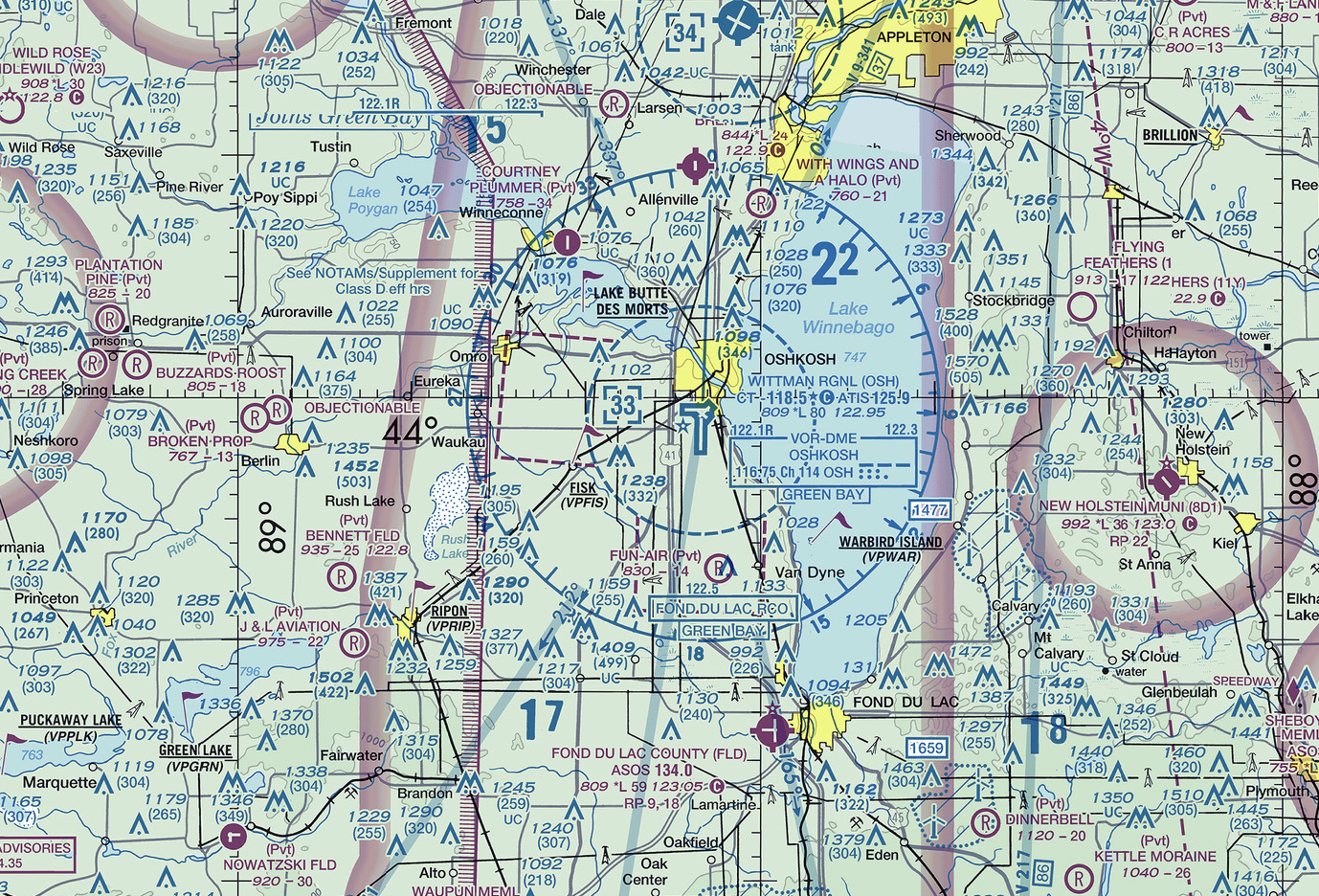
In its final report released May 21, the NTSB said the pilot of an experimental Lancair ES N18BG was flying the Fisk arrival to Wittman Regional Airport on July 22, 2024, when controllers instructed him to widen his turn behind two landing warbirds—an Aero L-29 and Aero L-39. The pilot acknowledged the instruction and reported the traffic in sight.
ADS-B data showed the airplane turning south in an extended downwind before maneuvering back toward final for Runway 36L. Investigators said the airplane was at approximately 975 feet MSL and 84 knots groundspeed when it began its turn back toward the airport. The last recorded data point showed the aircraft at the same altitude but slowed to 70 knots about 1.5 miles from the runway threshold.
According to the Lancair ES pilot operating handbook, stall speed can range from 59 to 74 knots indicated airspeed depending on configuration.
The aircraft impacted a soybean field south of the airport and was destroyed by post-impact fire, killing the 35-year-old pilot and passenger.
Investigators found no evidence of mechanical failure in the airframe, engine or flight controls that would have prevented normal operation.
The report also examined whether wake turbulence from the preceding Aero L-39 could have contributed to the accident. Using ADS-B data and wake vortex modeling, investigators determined the L-39’s wake would have remained above and east of the accident aircraft’s flight path and would not have intersected it before impact.
“The pilot’s failure to maintain adequate airspeed … resulted in an exceedance of the airplane’s critical angle of attack and an aerodynamic stall while maneuvering for traffic spacing,” the report stated.
The accident occurred during the opening day of EAA AirVenture Oshkosh 2024.


The photo you’ve included with this article is of a Lancair Legacy, not an ES.