
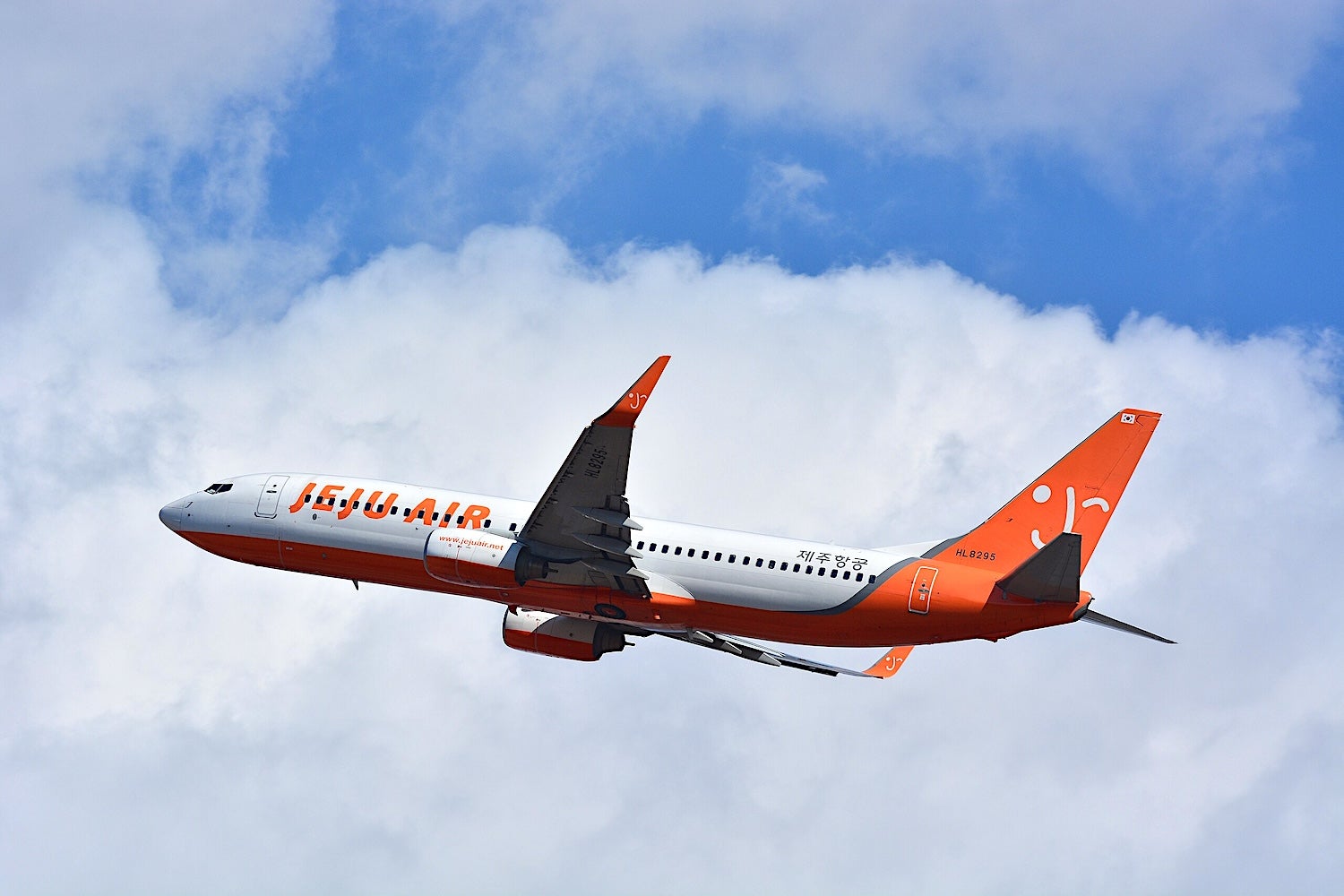

This week’s crash of a Jeju Air flight at southern South Korea’s Muan International Airport that killed 179 caps what has been a bad year for global airlines. Though no U.S. carriers suffered a fatal accident, internationally, a string of five fatal crashes throughout 2024 have marred what has largely been an impressive safety record for airlines around the world over the past several years.
It started on Jan. 2, 2024, when a Japan Airlines airliner collided on landing with a Japanese Coast Guard turboprop waiting to take off at Tokyo International Airport. All 379 on board the airliner survived, but the five crew members of the Coast Guard aircraft perished. On July 24, a Saurya Airlines Bombardier CRJ crashed on takeoff from the Nepal capital of Kathmandu, killing 18. One of the pilots was the sole survivor.
In an Aug. 9 accident in Brazil, an ATR72-500 turboprop operated by Voepass crashed after entering a flat spin, killing all 62 on board. Icing is suspected as a likely factor. And most recently, 39 people died when an Azerbaijan Airlines Embraer regional jet was likely shot down accidentally by Russian anti-aircraft fire. Twenty-nine people survived.
The Jeju accident on Dec. 28 was, by far, the most catastrophic. Two flight attendants were the only survivors. After reporting a bird strike that apparently caused a compressor stall in the right engine, the crew initiated a wheels-up landing just 4 minutes later in the opposite direction of the first approach. Investigators will be examining the flight data and cockpit voice recorders for clues as to why the veteran 7,000-hour captain chose his course of action leading to the runway overrun and subsequent crash into a berm supporting the airport’s localizer antenna structure.