
















A newly released South Korean audit said the country’s transport ministry approved noncompliant localizer antenna structures at Muan International Airport where a Jeju Air crash in December 2024 killed 179 people. It also identified several additional airports in the country where similarly noncompliant structures had been approved over the course of more than 20 years.
According to Reuters, the Board of Audit and Inspection determined the ministry approved 14 localizer installations at eight airports that did not meet international frangibility standards, which require such structures to break apart if struck by an aircraft. The audit also found that operating permits and inspections over a period of up to 22 years incorrectly certified that the installations met the required standards.
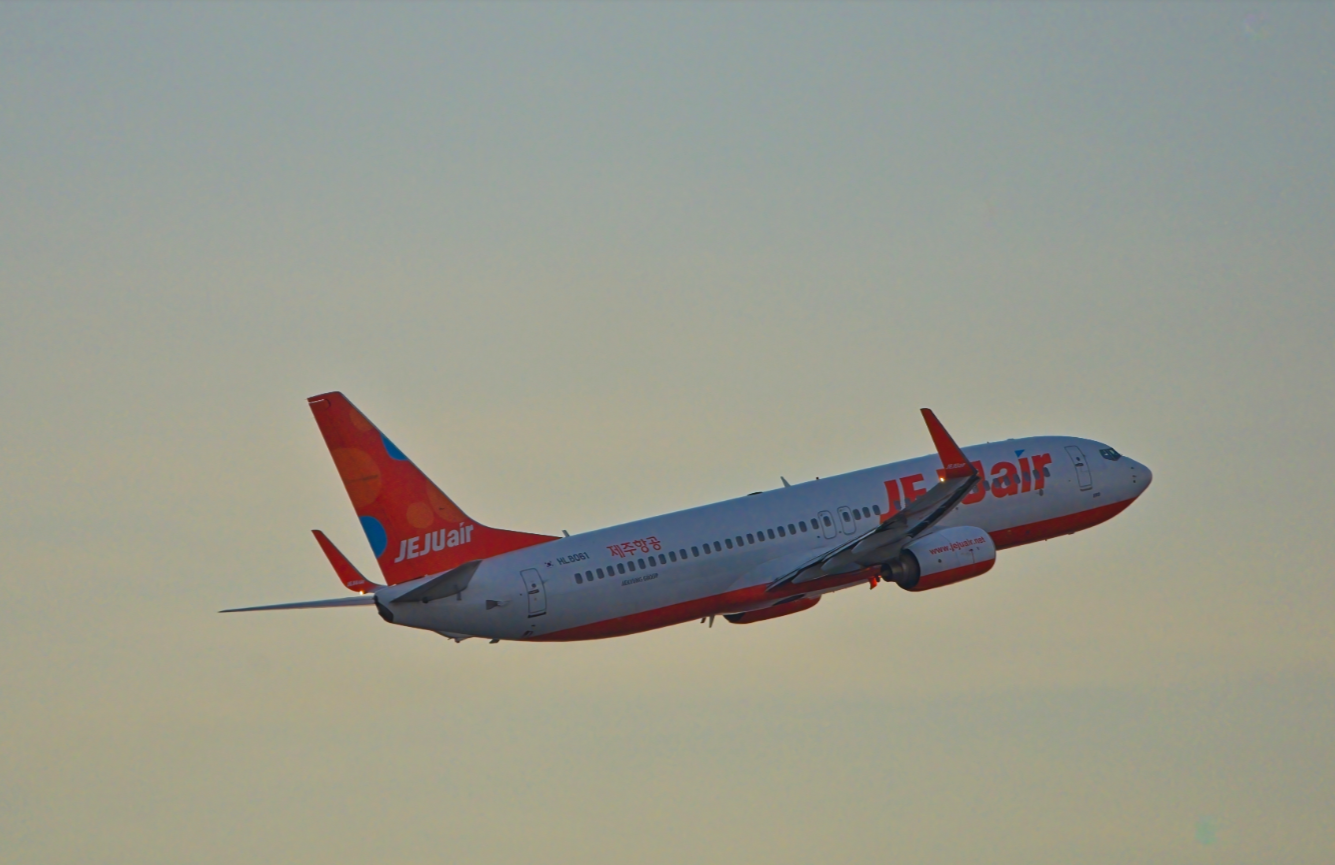
The crash involved a Jeju Air Boeing 737-800 that struck birds before belly-landing and overrunning the runway at Muan International Airport in South Korea. The aircraft then struck a concrete embankment supporting a localizer antenna installation, killing nearly everyone on board. Only two flight attendants seated at the rear of the aircraft survived. Reuters reported a separate government-commissioned simulation cited by an opposition lawmaker that suggested the Jeju Air accident might not have been fatal if the aircraft had not struck the concrete structure.
South Korean officials have also announced disciplinary and safety actions following the audit and additional investigations into the accident. President Lee Jae Myung on Thursday ordered disciplinary measures against officials responsible for delays in recovering remains and personal items from the crash site more than a year after the accident.
The transport ministry said it “humbly accepted” the audit’s findings. It further stated that it plans to implement improvements to localizer installations and strengthen bird-strike prevention measures, while Korea Airports Corp said it is working to incorporate the recommended safety changes.


0 replies