















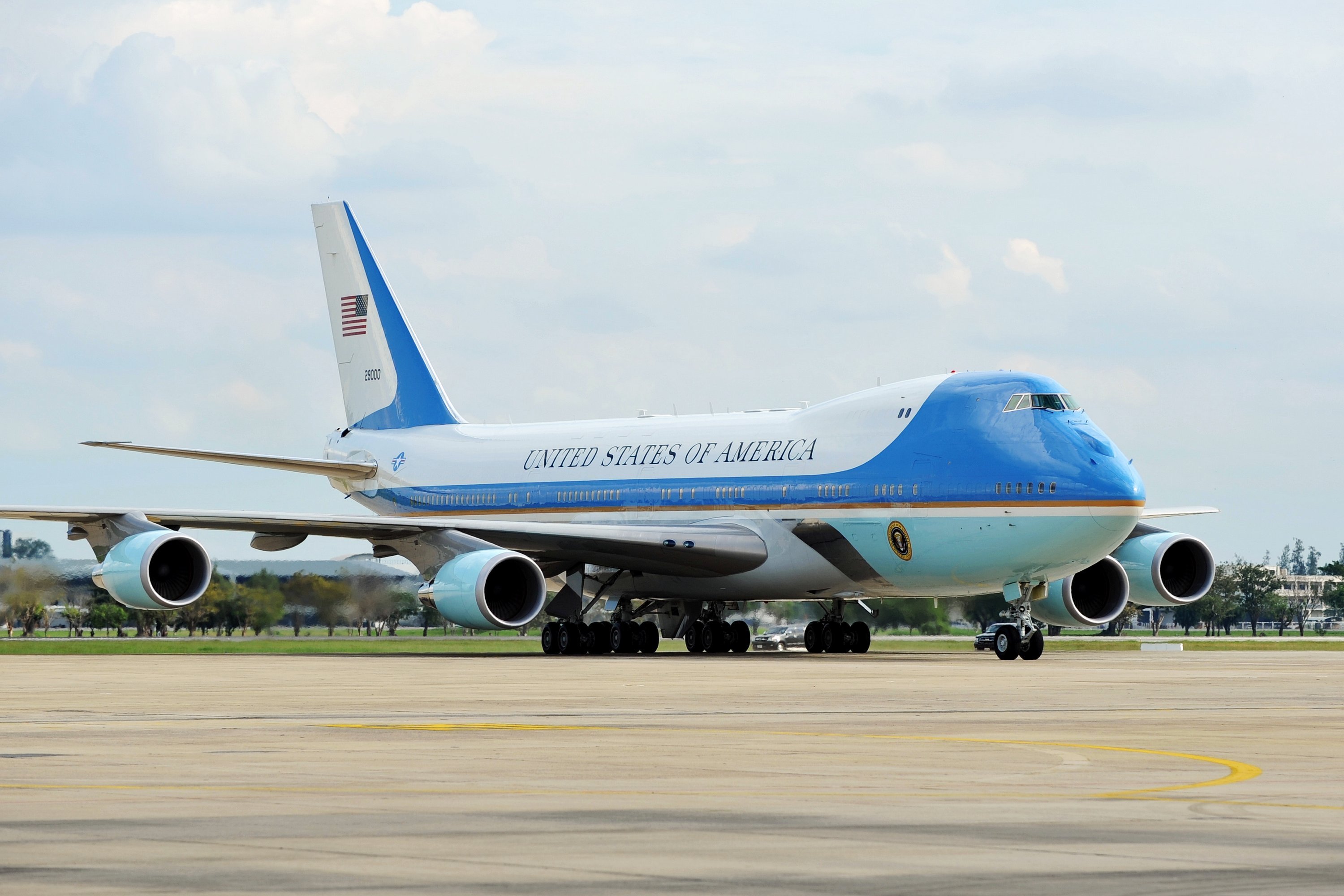

Boeing has taken another $280 million hit on its delayed program to replace the two aircraft that serve as Air Force One, according to the company’s second-quarter earnings report released Tuesday.
The latest charge brings Boeing’s total estimated losses on the program to about $2.8 billion since the company signed a contract with the U.S. government in 2018.
The Air Force is replacing its two aging VC-25A presidential aircraft with modified Boeing 747-8s, designated VC-25Bs. The first replacement aircraft has been delayed as Boeing works through the extensive modifications needed to transform the commercial jumbo jet into a presidential transport.
The work includes installing specialized communications and security systems, upgrading the aircraft’s interior and adding other equipment required for its role as a flying command center.
The project has faced rising costs and repeated delays, with Boeing operating under a fixed-price contract that leaves the company responsible for most cost overruns. As a result, the manufacturer has absorbed billions of dollars in losses while continuing to work toward completing the aircraft.
The first new Air Force One is currently expected to be delivered in 2027, about four years later than originally planned.
The program has drawn criticism from government officials, including President Donald Trump, who has pressed Boeing to speed up work on the aircraft.


0 replies