














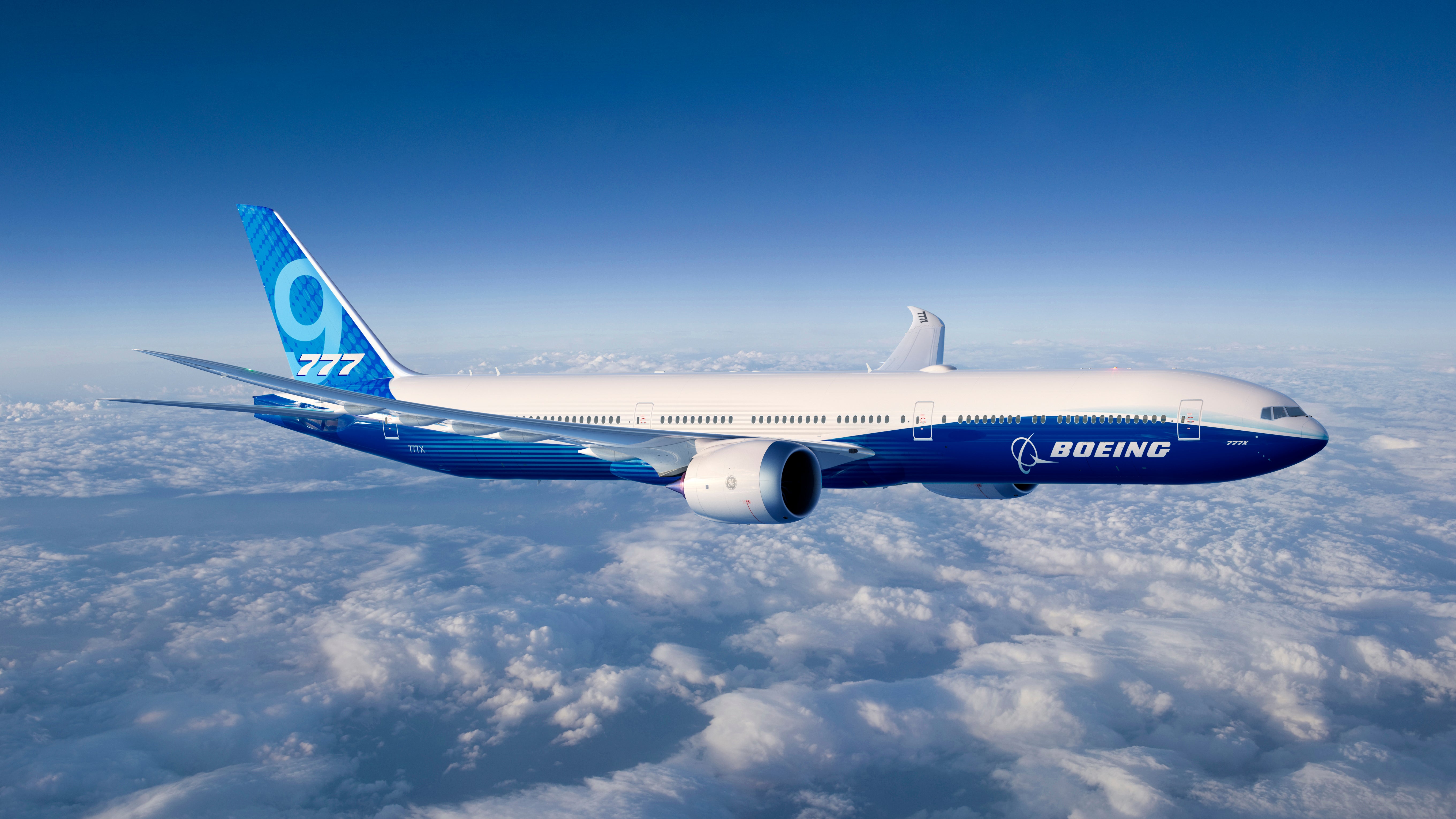

Announcing the possible first flight of the 777X this week, Boeing proves that even while it breaks in a new CEO, continues to churn through the 737 MAX issues and gets chewed out by its military customers, the show nevertheless goes on. The announcement, on Twitter, says that the date, as near as Jan. 23, could slide based on “weather and other factors.”
For Boeing to launch the 777X would be a relief for the company reeling from intense FAA and industry scrutiny, dramatic loss of revenue from the MAX grounding and a world-class bruising to its corporate ego. It would also put the program somewhat back on track after numerous early delays—including a structure failure during pressurization testing and engine issues.
GE Aviation pulled back its GE9X turbofans for a “high-pressure compressor” issue last summer, which helped delay the 777X’s first flight and likely will see the jetliner delivered much later into 2020 than originally planned. GE says it has the fixes in place for the engine, which produces 105,000 pounds of thrust and provides, according to Boeing, 5 percent lower specific fuel consumption than “any other competing engine in 2020” and consumes 10 percent less fuel than the current 777-300ER. The 777X also has a new composite wing with folding wingtips, which allows the benefits of 11 feet more span (each wing) in flight while fitting into the same airport infrastructure as the existing 777.
