














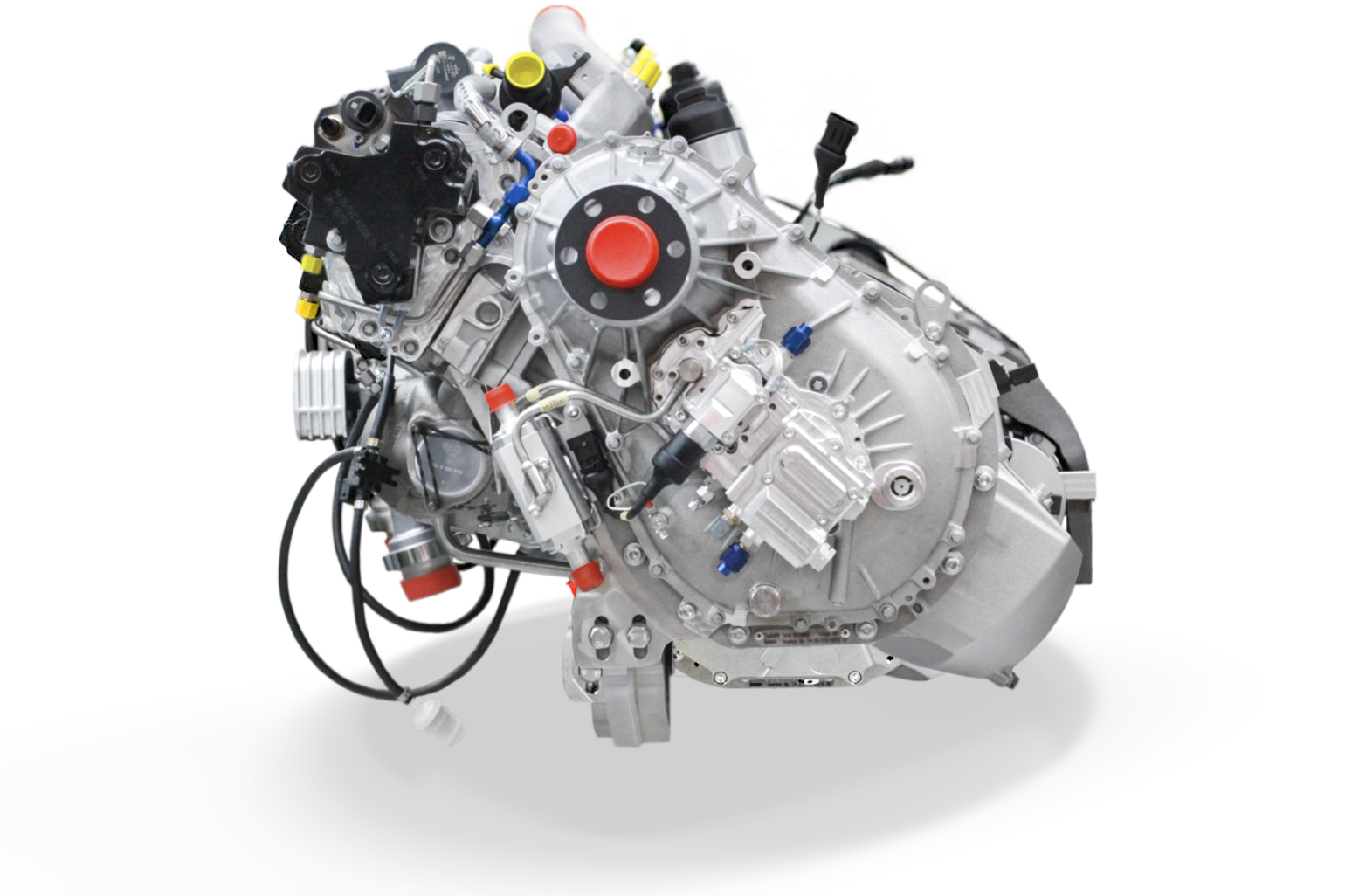

Continental Aerospace Technologies has announced that its CD-170 engine has been granted type certification by the European Union Aviation Safety Agency (EASA). The four-cylinder, liquid-cooled CD-170 is the latest edition to the company’s CD-100 engine series, which has collectively logged over 7.1 million flight hours worldwide since its introduction. The CD-170 is capable of operating on Jet A-1 and diesel fuel.
“This milestone represents the dedication of our team and our commitment to advancing Jet-A technology,” said Continental Aerospace Executive Vice President of Global Engineering Jurgen Schwarz. “This engine design demonstrates innovation through our enhanced fuel system that provides an additional level of redundancy, making it a safe and reliable option.”
According to Continental, time between replacement (TBR) for the CD-170 will initially be 1,200 hours with plans for that to increase in the future. The 170-HP turbocharged engine features a full authority engine digital control (FADEC) system, dual overhead camshaft (DOHC) and common rail direct injection. As previously reported by AVweb, the CD-170 will power Tecnam’s P2010 TDI.
