
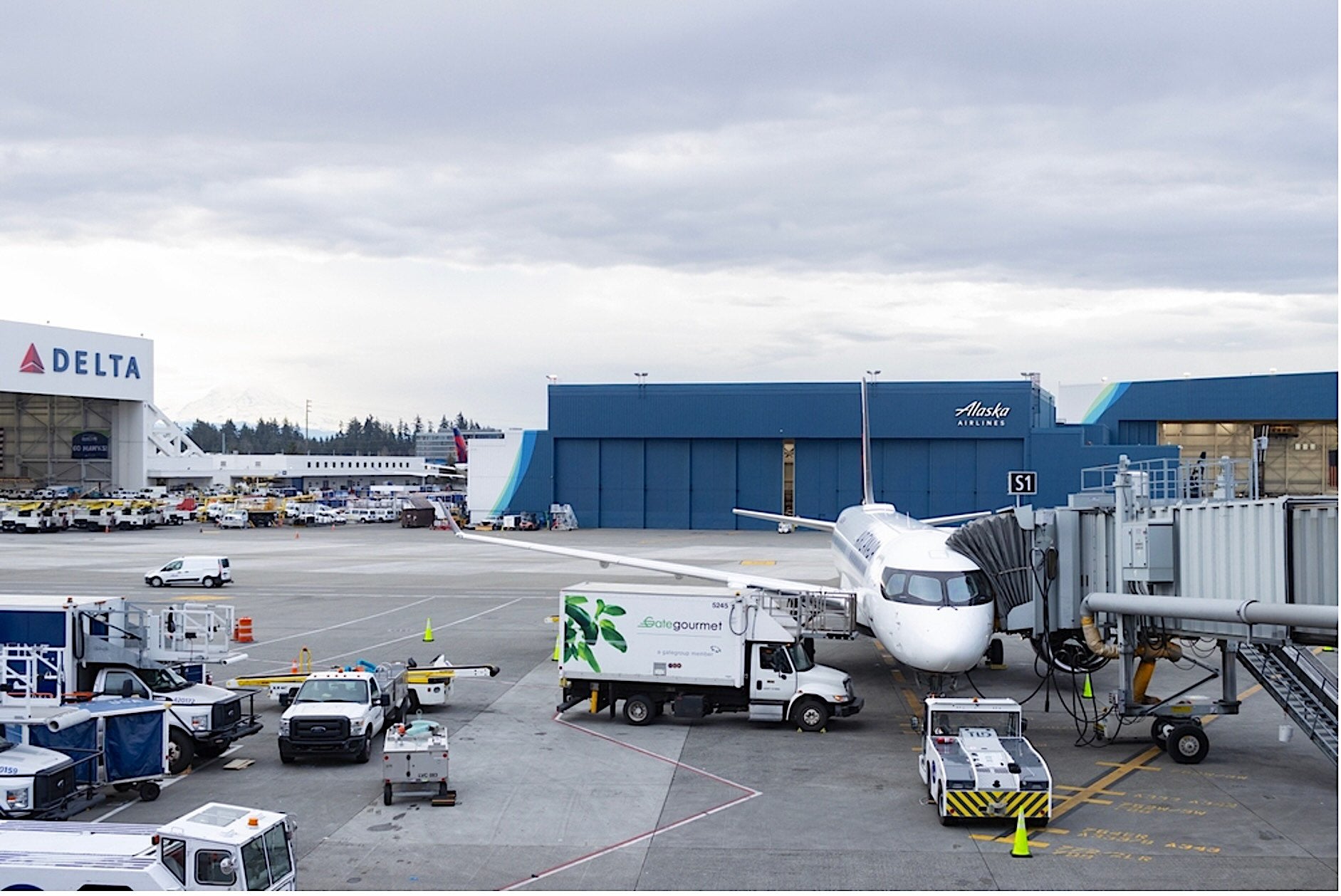

Collins Aerospace is addressing the issue of airport incursion incidents with its Collins Airport Surface Awareness System. Airport incursions, by definition, can occur on runways, taxiways, baggage-loading areas—anywhere two vehicles of any type can potentially collide.
Of course, aircraft runway incursions are the most potentially dangerous. According to the International Civil Aviation Organization (ICAO), runway incursions are responsible for 28% of fatal aviation accidents worldwide, Collins said.
Incidents involving surface vehicles can also be deadly. But even non-fatal “fender bender” accidents involving airplanes hit by baggage carts, catering trucks and other ground vehicles can cause airport delays that affect thousands of passengers, not to mention the cost of aircraft repairs and downtime.
The Collins Airport Surface Awareness System tracks the real-time position of every aircraft on the ground at the airport as well as in the air—approaching or departing. The system also tracks every other vehicle on airport property, such as tugs, fuel trucks, baggage carts, trucks and others. Combined with smart-vehicle technology, the system not only provides airport traffic managers with situational awareness of every vehicle, but can also geofence areas, enabling the airport to restrict where particular vehicles or types of vehicles can operate on airport property. The system can even enable airport personnel to shut down the engine if a vehicle encroaches on a restricted area—or reduce the speed of a vehicle being operated unsafely.