















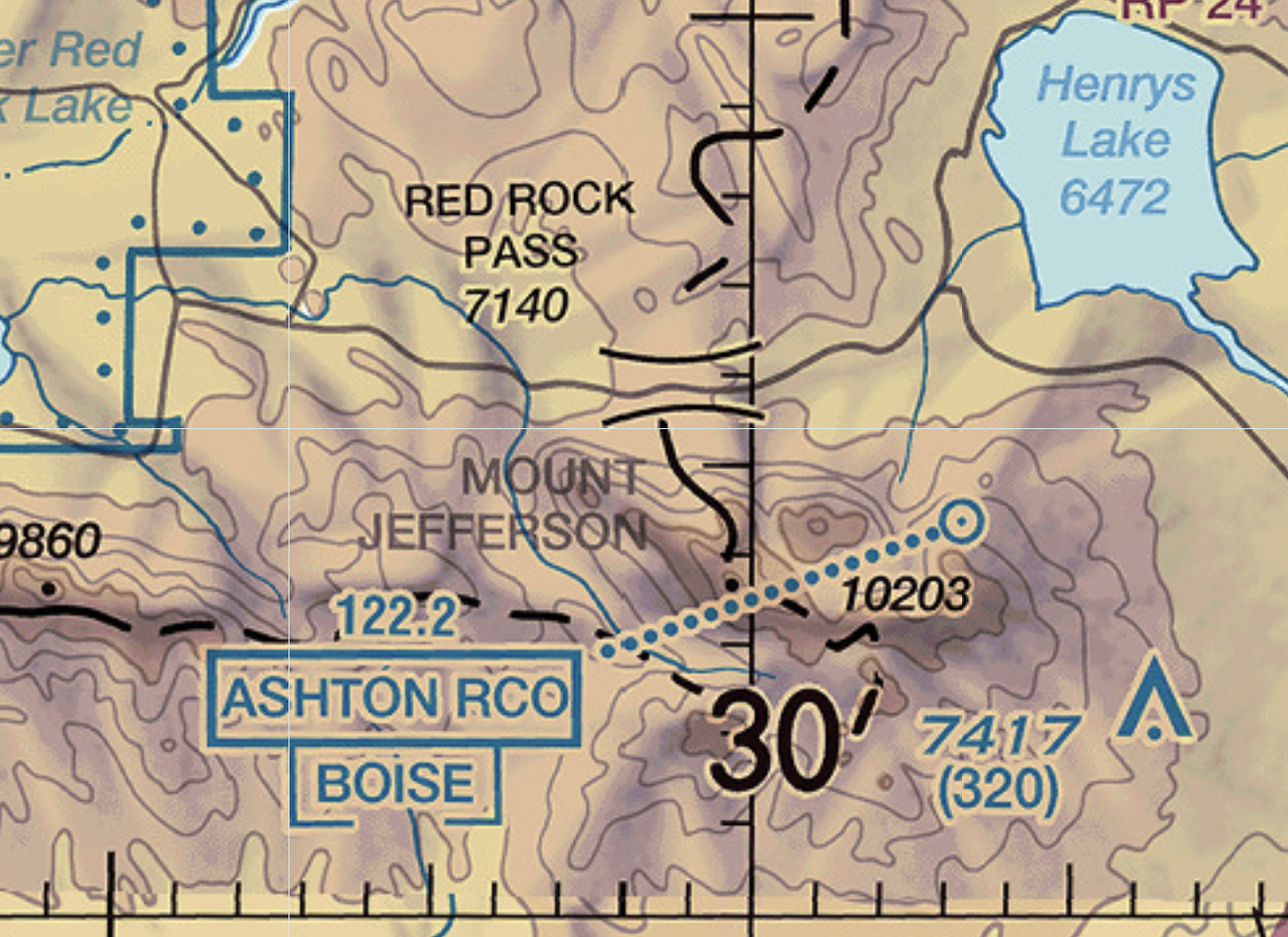

The FAA has issued its final decision to decommission 674 remote communications outlets used by Flight Service Stations in the continental U.S., Hawaii and Puerto Rico, according to a notice published Wednesday in the Federal Register.
FAA Revises Earlier Proposal
The agency had previously proposed removing the full network of 936 outlets in the affected areas. Under the final plan, the FAA will retain 262 outlets and decommission 504 RCOs and 170 VOR voice outlets. The change comes after the agency reviewed 337 public comments and completed additional safety analyses.
The FAA said the action begins Sept. 3. Alaska, ground communications outlets and frequencies designated for emergency or military use are not included in the plan. The agency said NOTAMs will be issued as individual frequencies are taken out of service.
Comments Raised Safety, Access Concerns
A majority of the comments filed on the proposal raised concerns about emergency communications, search and rescue coordination, ATC workload, weather access and service availability in remote areas. The FAA said Flight Service Stations no longer monitor emergency frequencies in the continental U.S., Hawaii and Puerto Rico, and that ATC will continue to handle emergency communications.
The agency estimated the reduction will save about $4.8 million annually in maintenance, lease and infrastructure costs. Information on retained and decommissioned outlets, RCO service volumes and frequently asked questions will be posted through the FAA Flight Service website as the plan moves forward.


0 replies