
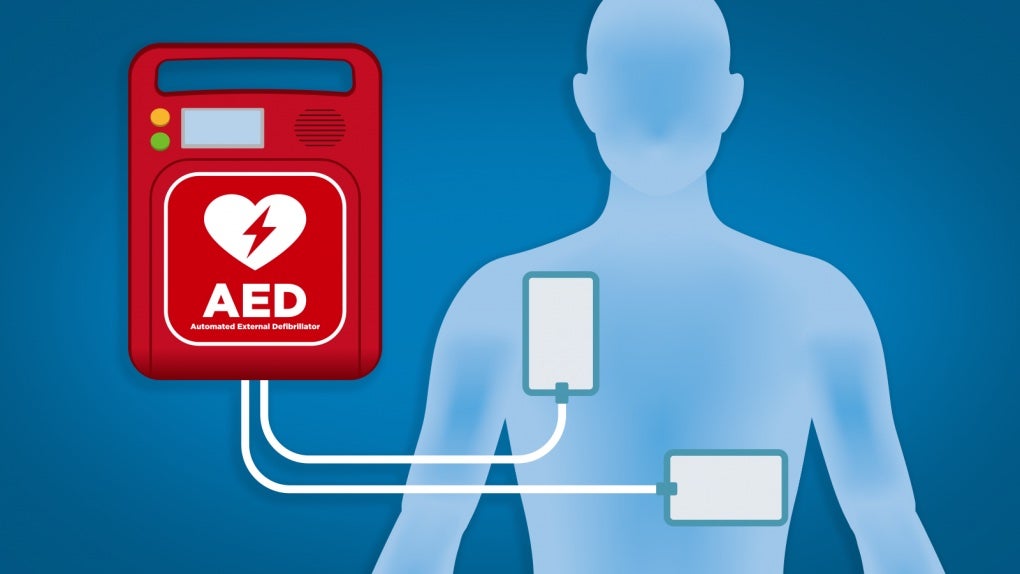

A woman is suing American Airlines in a New York district court for “organizational carelessness” and negligence in the death of her son, who died after going into cardiac arrest on a flight from San Pedro Sula, Honduras, to Miami last June. According to the lawsuit cited today (March 21) in multiple news reports, the crew aboard Flight AA614 tried to resuscitate teenager Kevin Greenidge, but the batteries of the onboard automatic external defibrillator (AED) were not charged.
The suit, filed by Greenidge’s mother Melissa Arzu, also claims that the crew was not sufficiently trained in operating the AED. The flight diverted to Cancun, Mexico, but Greenidge did not survive.
The reported accusations in the lawsuit are inconsistent with American’s history when it comes to AEDs. According to the airline, it was the first to carry the devices, installing them on all aircraft in 1997. And in 1998, American says, it made history with the first case of a passenger surviving cardiac arrest after flight attendants used the AED.
A 2007 press release posted on the American Airlines website cites the 1998 incident, adding that in the decade after installing AEDs on its aircraft, 76 passengers had been resuscitated. Then-corporate medical director for American, Dr. Thomas Bettes, is quoted in the 2007 post: “Our extensive training process ensures that our nearly 16,000 flight attendants are AED-trained annually and available to assist should a passenger become a victim of sudden cardiac arrest.”
The post added that American’s “installation of AEDs came nearly seven years before the FAA required them on all commercial passenger aircraft of a certain size.”