














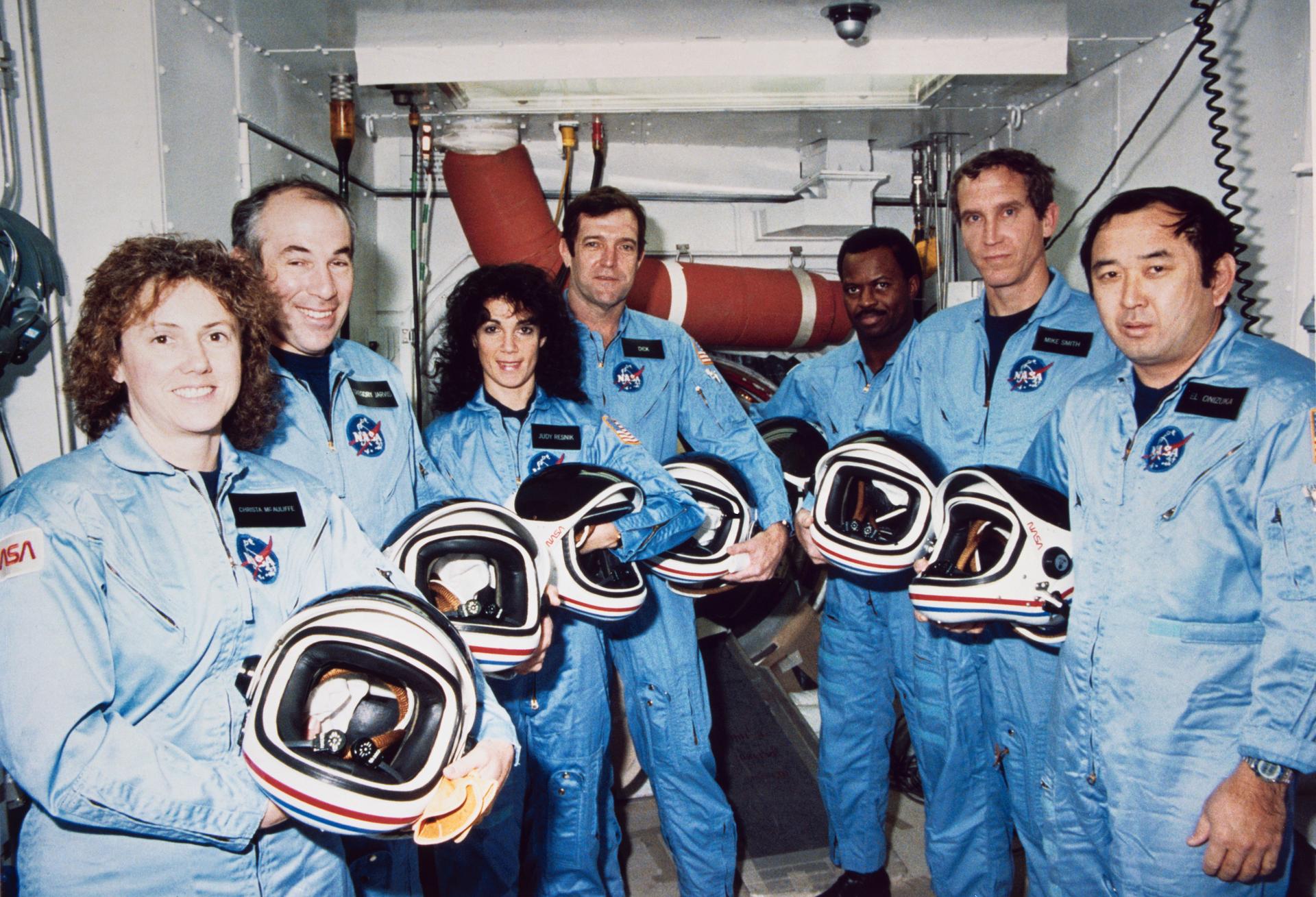

NASA has confirmed that an object discovered underwater off of the east coast of Florida is an artifact from the space shuttle Challenger. According to the agency, the artifact was located by a film crew on a dive looking for the wreckage of a World War II-era aircraft. NASA stated that it is still considering what it will do regarding the object, which is reportedly a 20-foot segment of the spacecraft.
“While it has been nearly 37 years since seven daring and brave explorers lost their lives aboard Challenger, this tragedy will forever be seared in the collective memory of our country,” said NASA Administrator Bill Nelson. “For millions around the globe, myself included, Jan. 28, 1986, still feels like yesterday. This discovery gives us an opportunity to pause once again, to uplift the legacies of the seven pioneers we lost, and to reflect on how this tragedy changed us.”
The space shuttle Challenger broke apart 73 seconds after liftoff from Florida’s Kennedy Space Center on Jan. 28, 1986, killing all onboard. The crew included commander Francis R. “Dick” Scobee, pilot Michael J. Smith, mission specialists Ronald E. McNair, Ellison S. Onizuka and Judith A. Resnik, payload specialist Gregory B. Jarvis and teacher S. Christa McAuliffe. The loss of the Challenger, which was the first fatal accident involving a U.S. spacecraft in-flight, was traced back to O-ring seal failures in the solid rocket booster segment joints due to unexpectedly low temperatures prior to the launch.
