



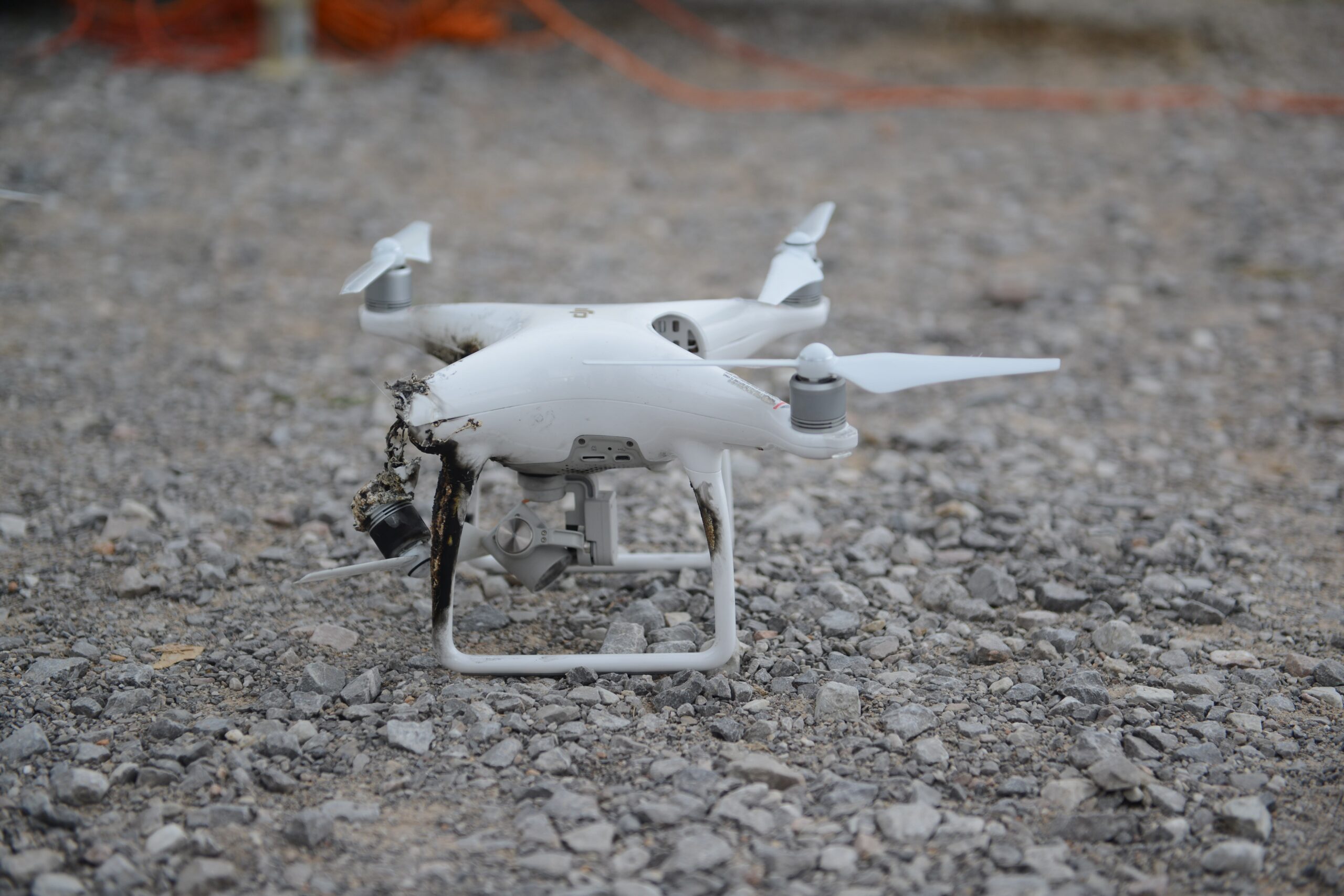

The Pentagon is considering deploying a high-energy counter-drone laser system at Fort Lesley J. McNair in Washington, according to new reporting by the New York Times. The installation is where Defense Secretary Pete Hegseth and Secretary of State Marco Rubio reside, and the possible deployment follows reported recent drone activity near the post. The move would place the system close to the heavily used airspace near Ronald Reagan Washington National Airport.
“I am aware of the reported drone sightings near Fort McNair and the surrounding areas,” Army-led Joint Task Force-National Capital Region spokeswoman Heather Chairez told The New York Times. “While there was no credible threat, the task force had increased its anti-drone activities to keep our service members and civilians who work and live on Fort McNair safe.”
The possible Washington anti-drone laser deployment comes as the FAA and Pentagon continue working through safety questions tied to the same technology after recent incidents in Texas and joint testing in New Mexico.
In late February, the military used a high-energy anti-drone laser against a misidentified Customs and Border Protection drone near Fort Hancock, Texas. Earlier in February, a separate counter-drone laser deployment near Fort Bliss prompted a temporary shutdown of El Paso airspace; later reporting suggested the object involved may have been a misidentified party balloon.
Pentagon and FAA officials conducted testing in New Mexico this month to gather data on the system’s interaction with aircraft materials and its built-in safety features. Part of the tests’ aims included proving the system’s safety and readiness for deployment in busier airspaces.
An FAA spokeswoman said the agency is focused on balancing security needs with aviation safety as officials weigh use of the technology in Washington.
“Our officials look forward to working with the Pentagon and other agencies to protect the homeland while ensuring the safety of the national airspace system,” FAA spokeswoman Hannah Walden told The New York Times.


0 replies