















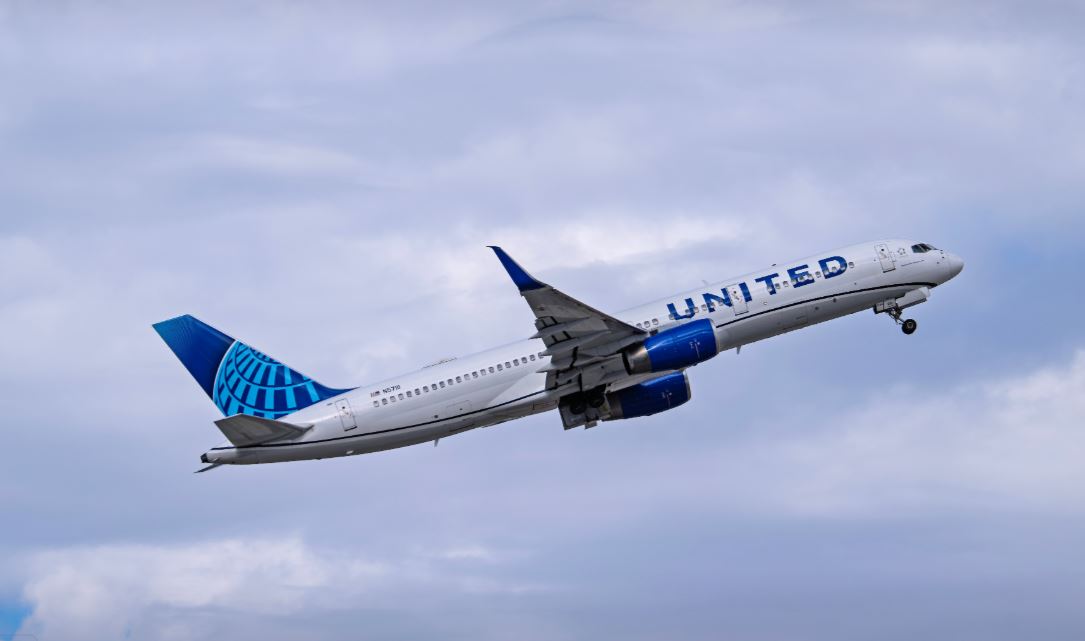

A federal whistleblower hearing is underway in a closely watched case involving a former United Airlines captain who says she was fired after reporting a cockpit security violation during a charter flight for the Colorado Rockies baseball team.
The case stems from an April 2024 United Boeing 757 charter flight from Denver to Toronto, when a Rockies coach was filmed sitting in the captain’s seat while the aircraft was in cruise flight. The video, later posted on social media, showed the cockpit door open with people moving in and out of the flight deck.
The footage quickly drew scrutiny online and prompted investigations by both United and the FAA. United later characterized the incident as a serious violation of company safety and operational procedures.
According to reports tied to the hearing, the captain had temporarily left the cockpit for a restroom break when the coach entered the flight deck and sat in the left seat. Following the flight, the captain submitted a report through United’s Flight Safety Action Program (FSAP), a voluntary reporting system designed to encourage crews to disclose operational and safety concerns without fear of disciplinary action.
Both pilots were ultimately terminated.
The captain now alleges United retaliated against her for filing the FSAP report, while the airline maintains the dismissals stemmed from the severity of the cockpit security breach itself. The case is expected to examine whether United properly handled the FSAP process and whether similar conduct had previously been tolerated during charter operations.
The hearing is scheduled for May 19–21 in Denver.

Airline charters for any customer, to include baseball teams and others, do not bestow unfettered access to the flight deck in-flight. 14 CFR Part 121 has clear and unambiguous language stating so. Ultimately the Captain will be held accountable for the breach regardless of the ASAP that the FAA ERC member took appropriate issue with and is covered by the BIG 5 exclusions for acceptance.
If she was in the lav, having closed the flight deck door as prescribed, and he entered the flight deck without her knowledge, it’s hard to see a fault on her part. A lot depends on the exact circumstances.
Fortified flight deck doors only work if you close them. They are only accessible if the remaining flight deck crew member allows access.
PINC, Procedural Intentional Non-Compliance. Her ASAP report was accepted into the system because of PINC. That’s the quickest way to get fired!
A pilot allowed his son to sit in the captain’s seat. His son inadvertently touched and turned off autopilot. The commercial flight crashed.
I thought cabin regulations involved having the senior flight attendant sitting when one of the pilots leave the cabin. It’s presumed security requires cabin door locked at all times during flight.
SMS systems are designed to protect people who make honest mistakes so we, collectively, make better-informed decisions. This is the guiding principle of ASRS, ASAP, etc. Intentional disregard isn’t covered by this. It’s hard to see how this was anything but intentional disregard, especially since nobody was telling the coach or their friends to get up and get out of the cockpit. And abuse of SMS, using the protections we’ve put in place protect people who make honest mistakes to cover someone’s a-- after they wanted to seem cool in front of a sports dork, undermines the whole system.
Examples: Airspace Busts
Pilot A is flying along the Florida coast on a VFR day. A TFR pops up while he’s enroute. He accidentally penetrates the TFR. No intentional violation occurs. He’s protected when he finds out about and reports the airspace issue.
Pilot B is flying along the Florida coast. He penetrates a TFR in order to get footage for a social media thing “We’re violating a presidential TFR, everbody! What’s going to happen?! Like, Comment, Subscribe!”. This is an intentional act. If he self-discloses the event, he is still not protected by ASRS, ASAP, etc.
SMS protects honest mistakes. It does not shield us from accountability.
She did exactly the right thing and should NEVER have been chastised for filing the report - -
I’m a lawyer and a former military pilot - She was away and apparently, from the story, the first officer allowed that to happen - HE should be punished appropriately, but the captain, unless she violated policy and procedure, such as leaving the door open, or unsecured when it should not have - Visitors in cockpit, I’m not so sure about, especially for a charter flight like that -
It’s not FSAP if there is a video of it and it’s public.
ASAP or FSAP? The article clearly states FSAP or Flight Safety Action Program.
The forward washroom immediately behind the flight deck should not be accessible to passengers. There should be a secure door between that washroom and the cabin. Only crew should be allowed through that door. Passenger access to that washroom is a breach waiting to happen! Lifetime in the industry both before and after 9/11.
PIC snd 1st Officers responsibilitys "while flying " are 2 totally separate issues! Its ALWAYS the PIC responsibility!
Captains are responsible for whatever happens on their watch, be it their doing or not, and must suffer the consequences. Goes with the territory. FO appears to have not actively defended cockpit security, so equally culpable. This should be not just termination, but career ending with certificate revocations and if warranted, criminal prosecutions. It appears United’s charter department might be due for a culture change, as well. Protected safety reporting systems are valuable and effective, but sometimes their limits need to be reiterated to remind folks of their existence.
As PIC, the captain is responsible for the FO. His violations become hers as well. The so-called “relaxed atmosphere” that reportedly had developed on that flight was hers to tolerate or to abolish.
ALPA will defend the crew, and after a significant time off line with loss of pay and benefits, the FAA will have sought an Emergency Revocation of their certificates followed by a 44709 recertification ride.
ASAP is Aviation Safety Action Program. It’s just the generic term. Depends on the airline and their SMS program.