
















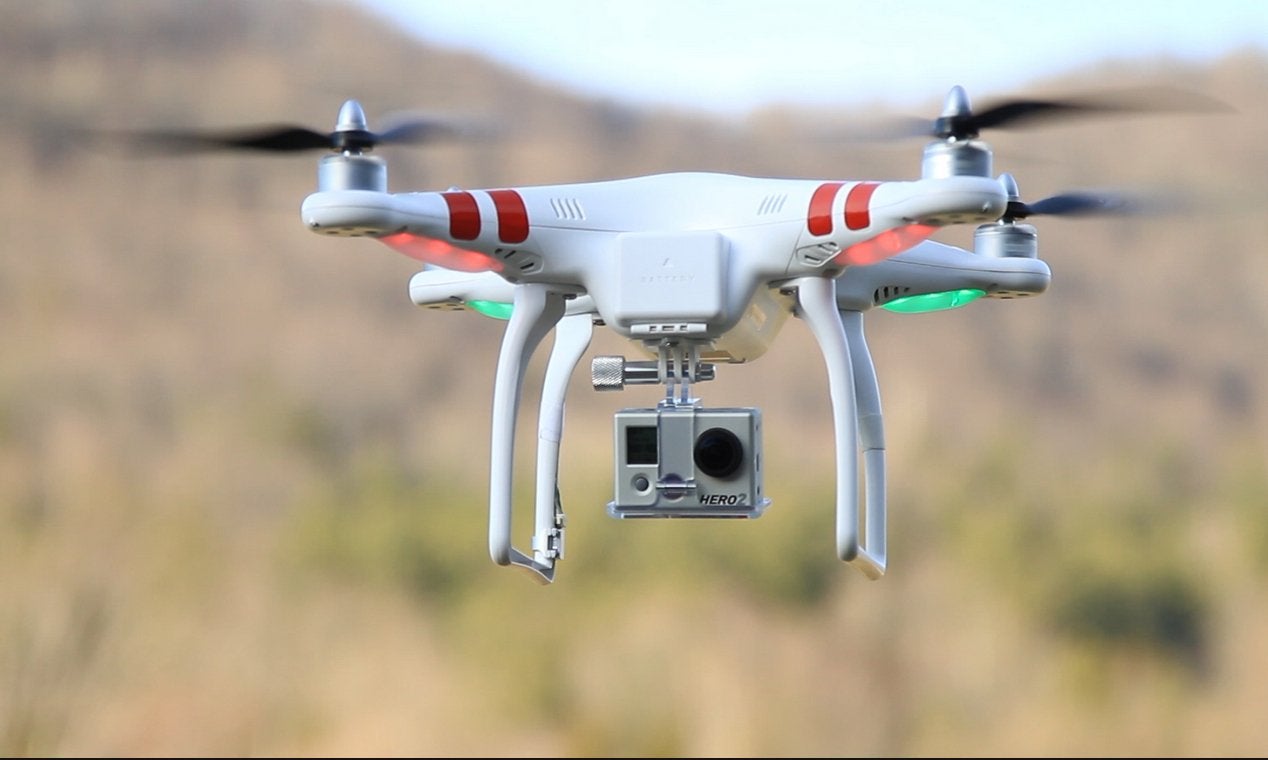
Pilots continue to report increasing numbers of suspected in-flight sightings of small unmanned aerial systems (sUAS) to air traffic control, says data released Thursday by the FAA. Pilots reported 1,274 sightings of sUAS in areas where those systems are not authorized to operate for the February 2016 through September 2016 reporting period. Those figures are up from 874 for the same period in 2016—an increase of more than 45%.
The FAA cautions that drone sightings should be taken with a grain of salt. What were previously reported as birds, balloons or otherwise unidentified flying objects may now be reported as close encounters with a drone. Although several of the sUAS sightings include reports of collisions with aircraft, the FAA has been unable to substantiate a single incident of a private sUAS colliding with a civil aircraft. “Every investigation has found the reported collisions were either birds, impact with other items such as wires and posts, or structural failure not related to colliding with an unmanned aircraft,” says the FAA in Thursday’s press release.
sUAS systems are not permitted to be operated above 400′ AGL, at night, or outside the operator’s line of sight and may be operated only in Class G airspace. Detailed rules on operation of sUAS can be found here on the FAA website, as well as through an FAA-produced app for iOS and Android devices—B4UFLY.

