












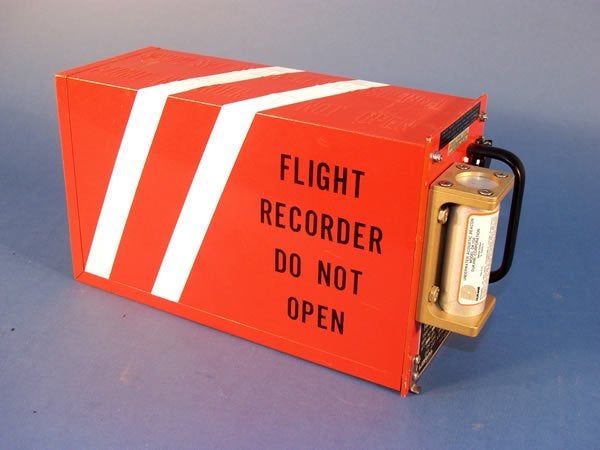
Congressman Mark DeSaulnier is pushing to get cockpit voice recorder (CVR) data saved after a string of air carrier close calls at SFO this year. “From a public safety perspective, this is unacceptable, and I am concerned that we are missing opportunities to learn from all of the facts when safety issues arise,” DeSaulnier wrote to FAA Administrator Michael Huerta last month. DeSaulnier’s district is close to San Francisco International, where an Air Canada A320 on approach to 28R lined up on a parallel taxiway in July. The A320’s landing gear narrowly missed several full aircraft parked on the taxiway awaiting takeoff. Another Air Canada jet missed repeated calls from the tower to go around at San Francisco in October. In both cases, CVR data was not required to be preserved, leaving commentators and policymakers to speculate about the relative contributions of fatigue, non-sterile cockpits and other factors.
One problem is implementation. The NTSB would either have to change the scope of reportable events or increase the amount of data that cockpit voice recorders are required to store well beyond the current two hours. “We believe that we get all the information that we need when it’s reportable. We don’t think anything else needs to be done than what is currently being done,” NTSB spokesman Keith Holloway told the San Jose Mercury News. While recording audio is much cheaper now than when CVRs were first required to be installed in air carrier aircraft, the durability standards still make CVRs an expensive piece of equipment. CVRs and flight data recorders are required by to survive a 1,100˚C flame for at least 30 minutes and a 3,400-G acceleration.