

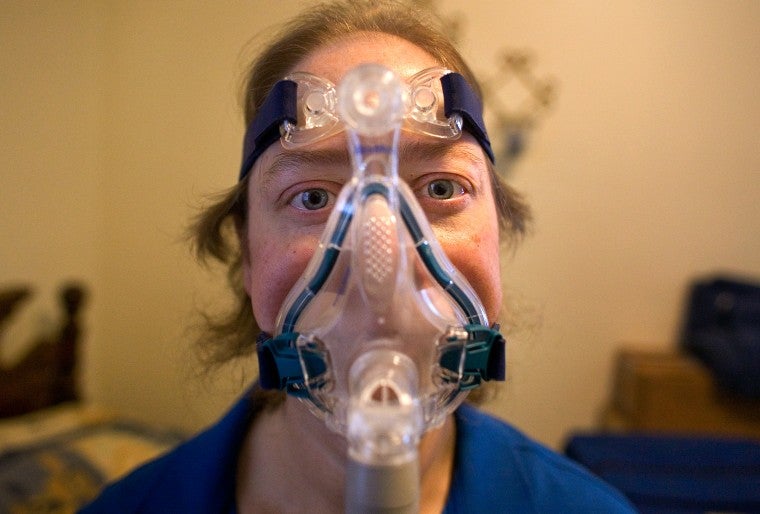
The FAA is showing no signs of backing off a controversial new policy to detect and treat obstructive sleep apnea (OSA). As we reported in an exclusive story on Monday, Federal Flight Surgeon Dr. Fred Tilton is ordering Aviation Medical Examiners to automatically refer pilots (and at some point in the future, controllers) with a body mass index (BMI) of more than 40 to be assessed by medical sleep specialists to determine if they have OSA, which Tilton says they almost certainly do. They won’t be able to fly until they’re successfully treated. The policy is expected to spread to less chunky pilots as Tilton is apparently intent on eliminating OSA among the pilot (and later, controller) population. FAA spokeswoman Laura Brown said the new rules are in response to NTSB safety recommendations (PDF). “The updated sleep apnea guidelines that we plan to implement are designed to help airmen and aviation safety by improving the diagnosis of unrecognized or untreated obstructive sleep apnea,” Brown said in a statement.
The new rule has lit up pilot forums and prompted reaction from alphabet groups. EAA was quick to respond to the news with a detailed admonition of the policy. “We are joining in the call for an immediate suspension of this policy and thorough review of its need and justification,” said EAA’s vice president of advocacy and safety, Sean Elliott. “There has been no evidence of sleep apnea as a cause or factor in more than a decade of general aviation accidents reviewed by FAA’s own General Aviation Joint Steering Committee, in which EAA participated.” AOPA did not provide direct comment to AVweb but did compose its own news story on its website reacting to the story.
This story was corrected to remove the reference to neck circumference as a trigger for referral to a sleep specialist based on a reader observation and confirmation from the FAA.