
















Once every four days, on average, there is a fatal general aviation accident involving loss of control, the FAA says, so they are working to educate the GA community on best practices to ensure safe flight. “You can help make a difference by joining our Fly Safe campaign,” said FAA Administrator Michael Huerta. “I know that we can reduce these accidents by working together as a community.” The FAA is producing monthly online updates with a loss-of-control scenario and a lesson developed by a team of experts. “They have studied the data and developed solutions – some of which are already reducing risk,” the FAA said. This month, the campaign is focused on flying a stabilized approach and when to decide to go around.
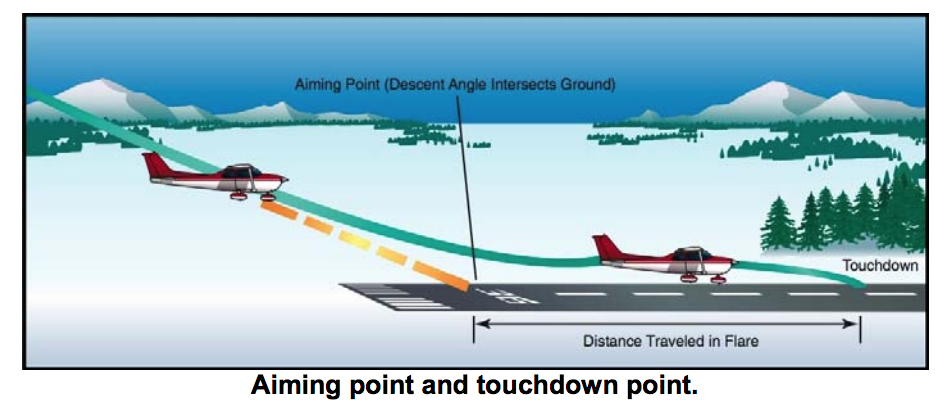
The FAA defines a stabilized approach as “one in which the pilot establishes and maintains a constant angle glidepath toward a predetermined point on the landing runway.” During the approach, the FAA says, the pilot must maintain a specified descent rate and airspeed, complete all briefings and checklists, configure the aircraft for landing, maintain the correct altitude levels and ensure only small changes in heading/pitch are necessary to maintain the correct flight path. If those conditions are not met, the pilot should consider a go-around. The FAA has published a Safety Enhancement Flyer about go-arounds (PDF), and a handout on stabilized approaches (PDF). The FAA also suggests a review of Chapter 4 in the FAA’s Instrument Procedures Handbook (PDF).

