

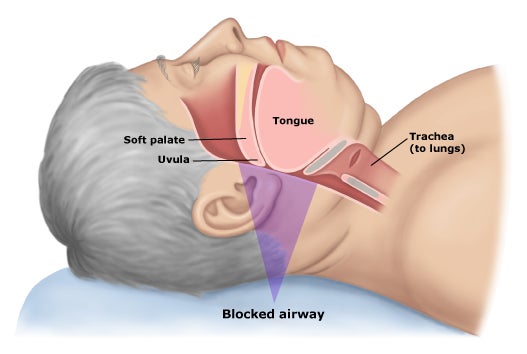
To thunderous applause from alphabet groups, the House passed a bill Tuesday that will force the FAA to go through a formal rulemaking process to institute its controversial sleep apnea measures. As we reportedin November, FAA Air Surgeon Dr. Fred Tilton sent a newsletter to air medical examiners telling them that any pilot with a body mass index of 40 or higher would have to undergo an expensive evaluation at a sleep clinic to determine if he or she has obstructive sleep apnea (OSA) and be cleared to maintain their certification. The memo caught the entire U.S. aviation community, including AMEs, by surprise. There was a flurry of protest but Tilton wouldn’t back down. The FAA measure was widely criticized for its scope, cost and questionable impact on safety.The House bill was proposed last month and a parallel measure is before the Senate.
In its statement on the House action, NBAA Chairman Ed Bolen said it’s important that the FAA get input from the industry before introducing such measures. The business aviation community thanks lawmakers for passing this measure seeking a fully transparent process for any consideration of OSA screening, including a mechanism for those in the industry – who have the most at stake from proposed regulatory action – to provide input on the matter, said Bolen. While sleep apnea is certainly an important health concern, its important that the agency weigh all factors on the issue, including analysis of data-driven justification, costs, benefits and other important criteria. AOPA chimed in its approval. “We all want pilots to fly safely, and any policy changes should be based on transparency, public comment, and the opportunity to work together to identify more effective and less intrusive solutions,” said AOPA President Mark Baker. The Air Line Pilots Association also voiced its approval. A medical certificate for a commercial airline pilot is their livelihood, and any actions taken to change or alter the requirements to acquire or retain one needs to be thoroughly discussed in advance with leading industry stakeholders, including ALPA, the union said.