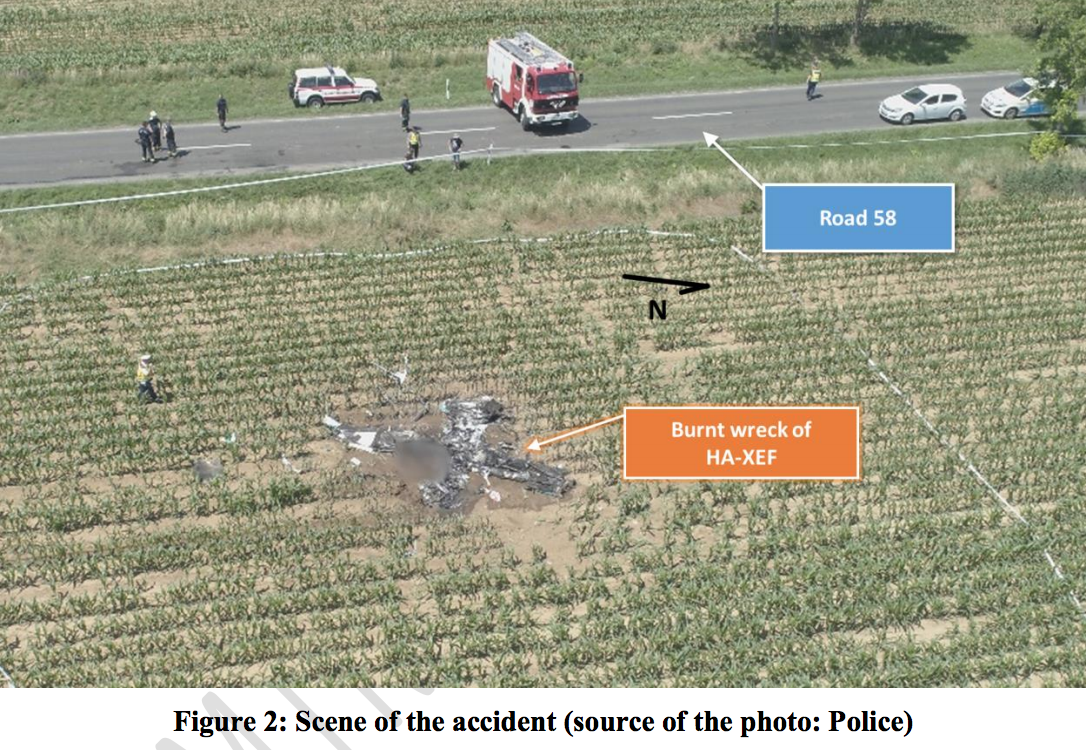
Early reports after the crash of a Magnus eFusion in Hungary in May said the aircraft appeared to be on fire before it hit the ground—adding to persistent fears about the potential for battery fires in electric-powered aircraft. However, a preliminary report from Hungary’s National Transport Authority says there was no fire. “The data recording device installed on the aircraft was in operation, and data recorded by the device was fit for evaluation,” the NTA wrote. “According to data available, there is no sign of smoke or fire during the flight; the fire started after the aircraft crashed to ground. The damages of the motor were clearly due to mechanical impact and subsequent external fire.” The report, which is dated July 24, was reported on by AOPA last week. The two occupants of the aircraft were killed in the crash.
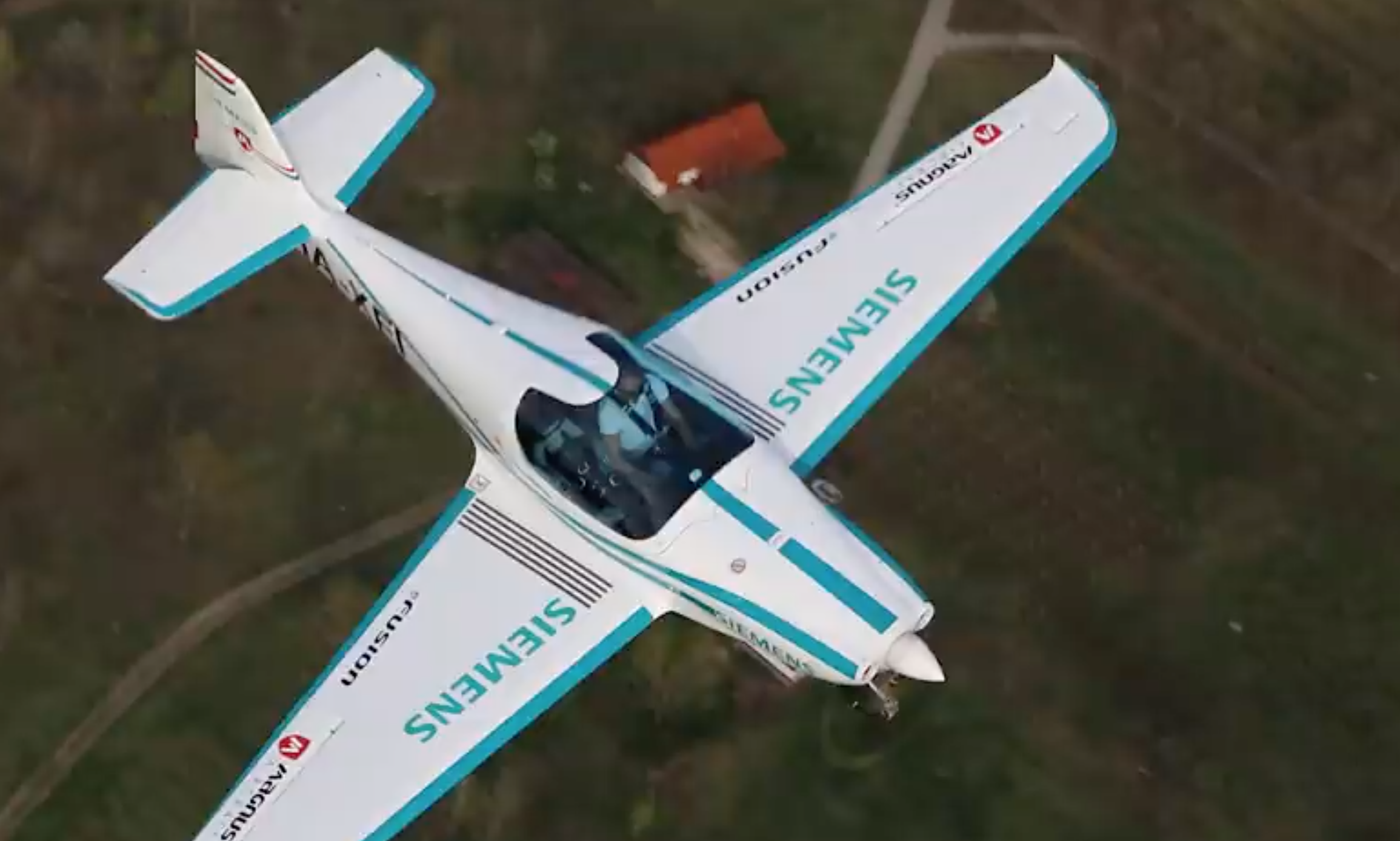
A recording device in the cockpit provided video as well as GPS coordinates of the flight, time data and aircraft orientation data, the NTA report says. No audio was available. The video records show no smoke nor any sign of onboard fire (within the visual field of the camera), according to the report, and the displays related to the electric propulsion system showed normal operation. There was no sign of technical malfunction of the airframe structure. The aircraft was built in a collaboration between Siemens and Magnus Aircraft, and debuted at Aero Friedrichshafen in Germany in April this year. It was powered by a Siemens zrt Emotor SP45D-V9. The aircraft had logged about 217 flight hours prior to the crash. It was destroyed in the post-crash fire.