
















Boeing and the FAA say they expect to finish a software and training update for the 737 MAX series of aircraft shortly. Boeing said it’s been working on the update since the crash of a Lion Air MAX 8 last October but the crash of an Ethiopian MAX 8 in early March prompted the issuance of an airworthiness directive requiring Boeing to have a fix by April. “We’ve been working diligently and in close cooperation with the FAA on the software update,” a Boeing spokesman said Saturday in a statement. “We are taking a comprehensive and careful approach to design, develop and test the software that will ultimately lead to certification.”
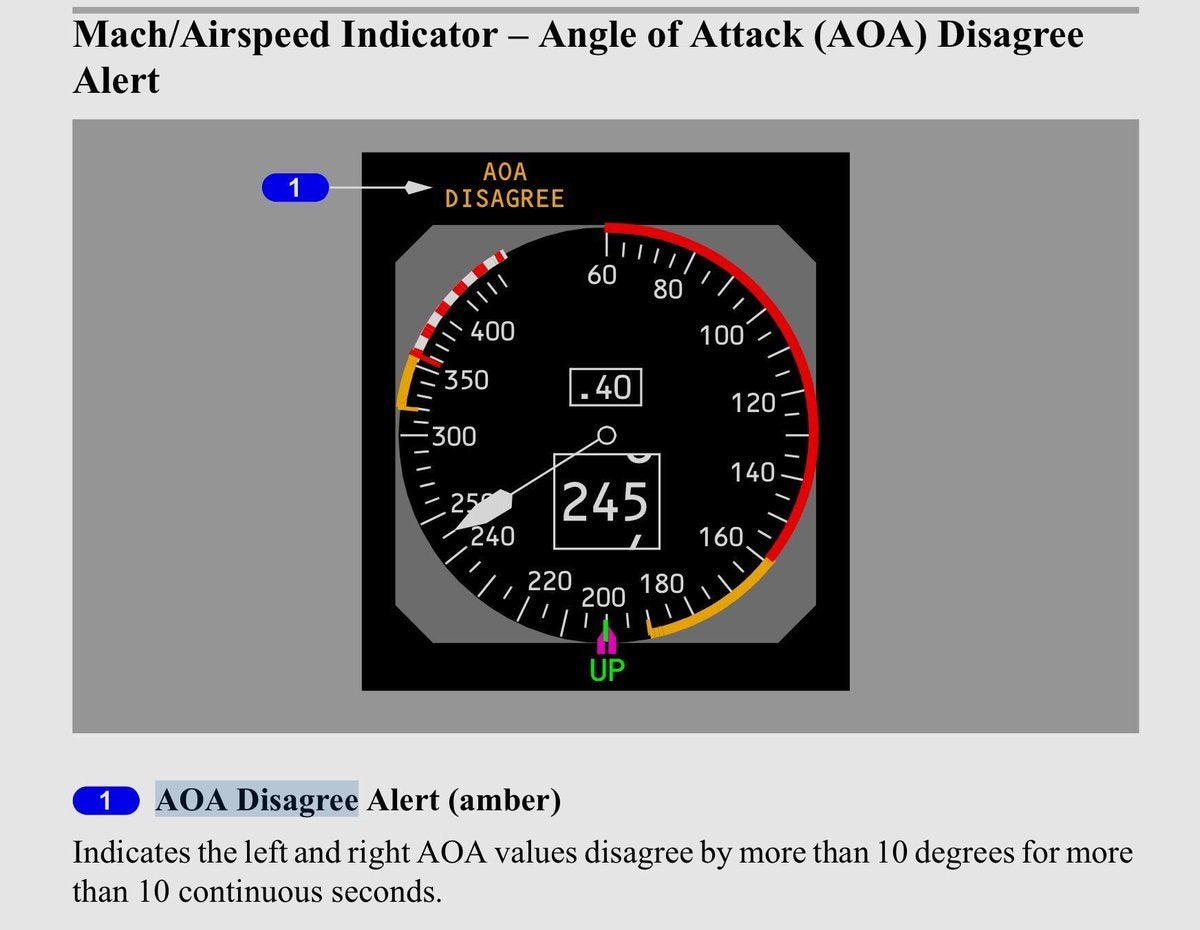
Boeing has now confirmed the software fix will focus on the angle of attack sensors and their interaction with the Maneuvering Characteristics Augmentation System, which autonomously controls the pitch of the horizontal stabilizer if data supplied by an AOA indicates an imminent stall. The MCAS currently gets data from only one of two AOAs. The fix makes both AOAs supply pitch data to the MCAS and a formerly optional disagreement warning on the PFD will become standard equipment. The update will also limit the MCAS’s ability to keep pushing the nose over in defiance of manual inputs from the pilots. The current system will relentlessly pivot the tailfeathers if the angle of attack is reported to be too high. The software update will only allow one jump of the tail position and trigger an alarm that tells the crew the MCAS has been activated. Pilot training will be part of the system updates.

