
















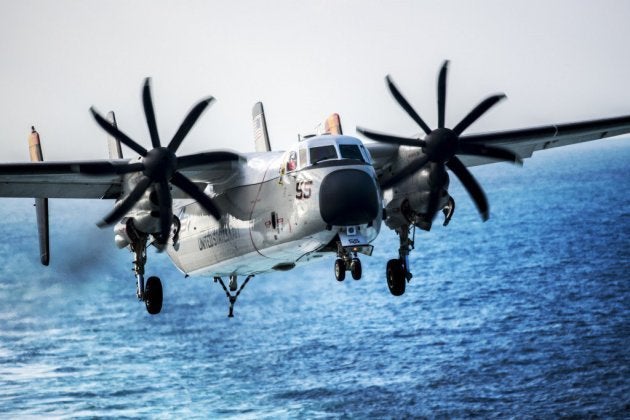
The military aircraft accident rate has jumped significantly in the past year and Sen. John McCain has said it’s the natural result of years of penny pinching with the military. “Perhaps the greatest harm to our national security and our military is self-inflicted. I repeat, self-inflicted,” McCain, chairman of the Senate Armed Services Committee, said earlier this year on the senate floor. “We are killing more of our own people in training than our enemies are in combat.” There have been 22 non-combat military aircraft accidents since this time last year, up 38 percent. A total of 37 personnel have been killed in the last year, not including the loss of three service members in the crash of a C-2 Greyhound in the Pacific earlier this week. A dual engine failure is reportedly being investigated as the cause.
The budget cuts are also affecting readiness, according to military.com. According to the data it’s gathered far fewer than half the combined aircraft inventory of the U.S. military services are flyable and fewer still are ready for action. A parts shortage has maintenance techs cannibalizing some aircraft to keep others flying. But perhaps the greatest threat is the stress on the existing pilot pool that the current shortage of 2,000 military aviators is causing. Pilots are being shuffled from stateside deployments to meet operational requirements and that’s creating shortages at training units and stress in the personal lives of the pilots. “[The] shell game leaves non-deployed squadrons well below the number of jets required to keep aviators proficient,” Navy Vice Adm. Troy Shoemaker told the House Armed Services subcommittee earlier this month, according to military.com.

