
















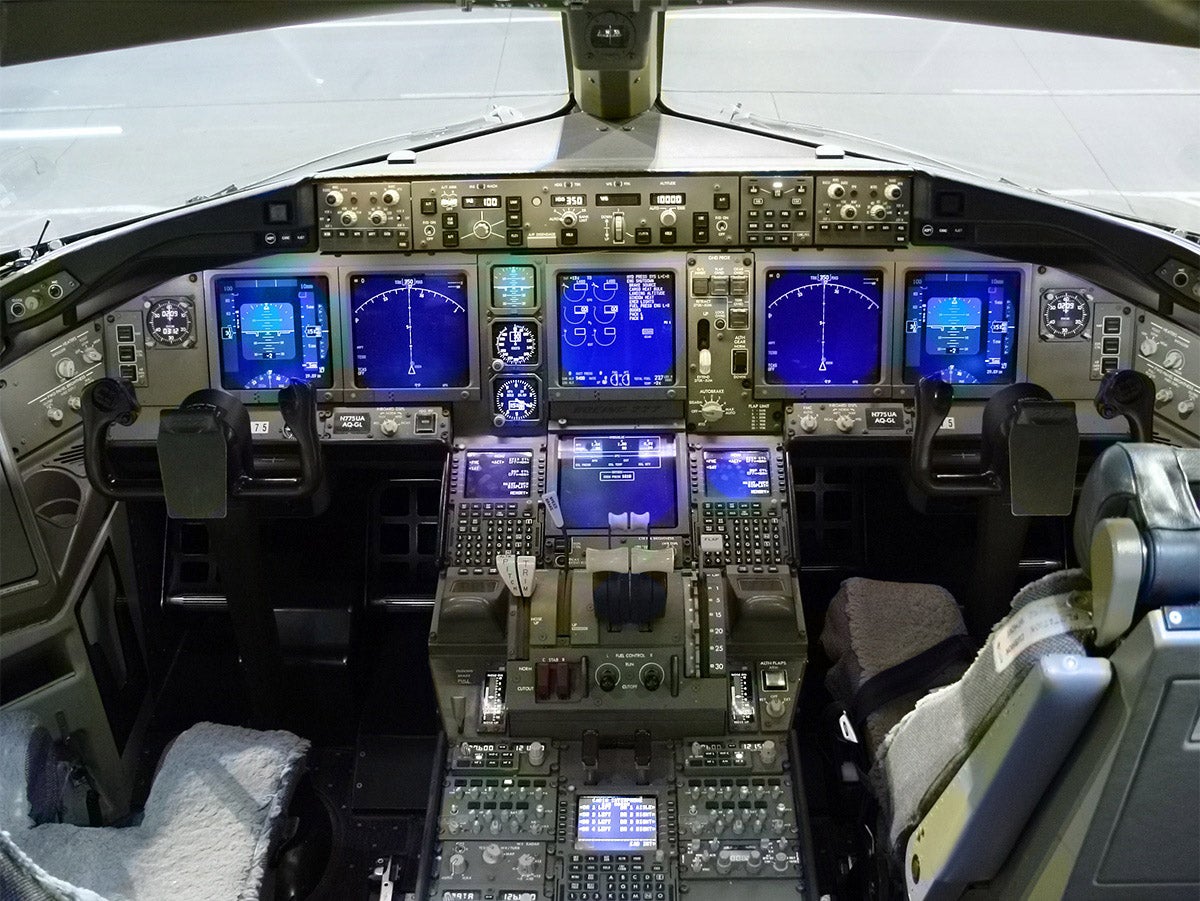
After two recent high-profile crashes (UPS and Asiana Airlines Flight 214), both involving fatalities, media reports have questioned the role of automation in the cockpit and in the opinion of former Northwest Captain and current Embry Riddle educator Jack Panosian, those concerns may not be unfounded. Panosian told AVweb Thursday that his observation is that stick and rudder skills may be falling down the list of important assets required by professional pilots — but that’s not entirely bad. Modern jets, he says, generally are not hand-flown aircraft and some have been designed from the outset to be flown for nearly the entire flight on automation. And that, Panosian says, makes a pilot’s need for systems and information management skills at least as important as their stick and rudder abilities, and arguably more important. For instructors, students and experienced pilots that shift brings new challenges specific to each group.
Panosian says he’s seen experienced pilots challenged by newer avionics even in light aircraft, where the mission is to transition to new ways of accessing more information without suffering from overload. As an educator, Panosian says he sees a new generation of pilots for whom that change does not present a transition as much as it appears to be a natural step. In his experience, Panosian says younger pilots adapt well to complex digital presentations and information management — and generally fare much better with their introduction to glass panel displays than do older pilots seeking to transition from steam gauges. One challenge facing educators, he says, is to teach new pilots to learn the new systems, manage the information well, and know when what information is most important. If there is a difference, says Panosian, in the past pilots were monitored by the airplane — meaning that when the pilot did something wrong, the airplane offered a warning. Now, he argues, the pilots are monitoring the aircraft. And humans, he says, are not as vigilant in observing errors after they’ve been trained through repetition — they are not as vigilant the 100th time they look at something as they were the first time. Listen to AVweb’s interview with Jack Panosian for more.

