















The FAA will impose new guidance on obstructive sleep apnea (OSA) to air medical examiners on March 2. The new rules are much different than the controversial 2013 edict that came from then-Chief Flight Surgeon Fred Tilton, which automatically grounded pilots with body mass index of 40 or more. But it does require AMEs to put more emphasis on the disorder during the medical and sets out the potentially costly steps that will follow if they suspect it. Overweight pilots will almost certainly be targeted under the new orders but they can keep flying until there is a definitive diagnosis and they agree to undergo treatment. Throughout the fact sheet issued on Friday, the FAA maintained that it’s not changing any rules. “The FAA is not changing its medical standards related to OSA,” it said. “The agency is revising the screening approach to help AMEs find undiagnosed and untreated OSA.”
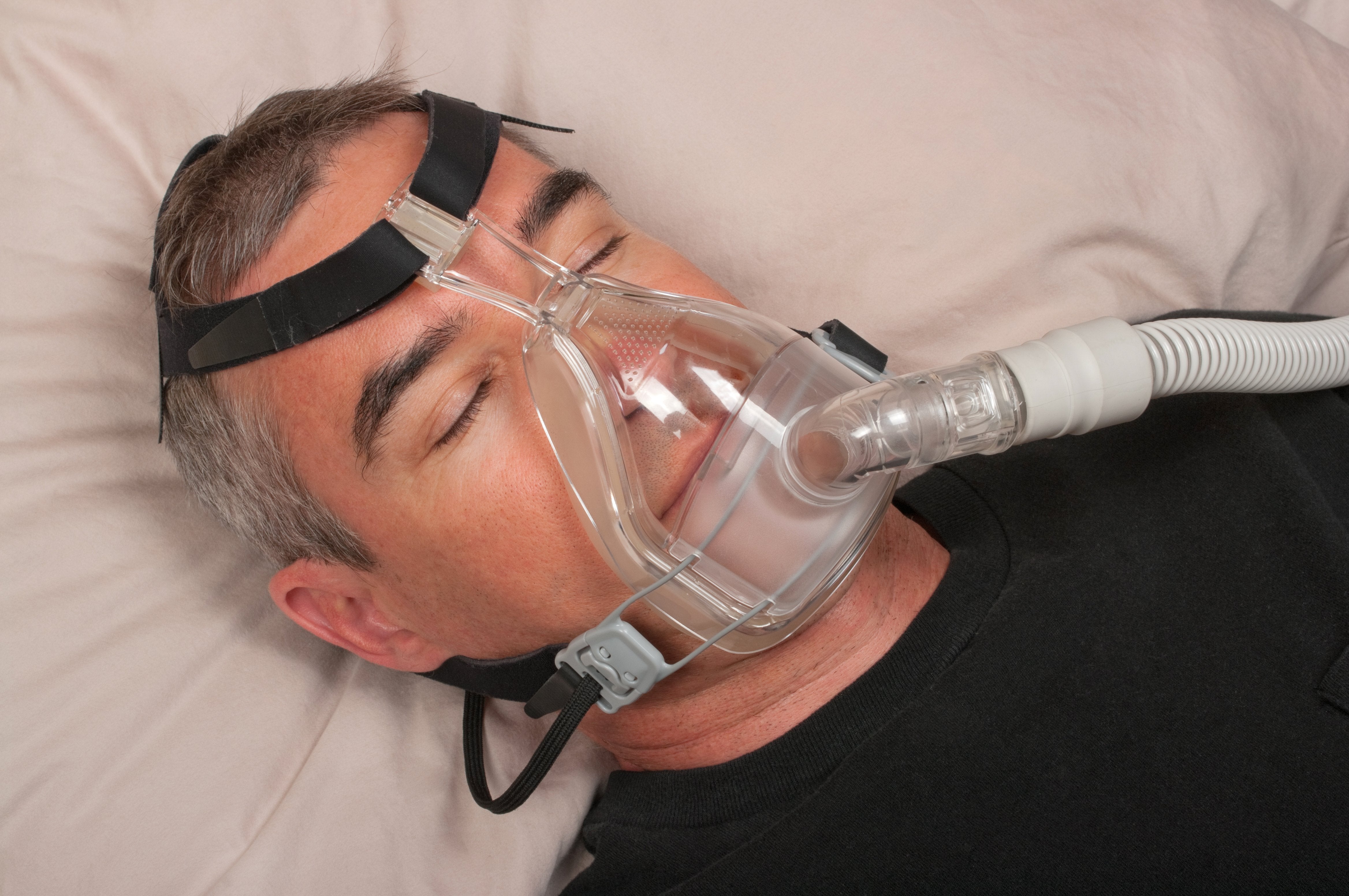
Anyone whose medical comes after March 2 will undergo formal OSA screening using the American Academy of Sleep Medicineguidance that forms part of the new rule. If OSA is suspected, a formal evaluation by a doctor (not necessarily a sleep specialist) will be required. But an expensive sleep study won’t be required unless the doctor thinks it’s necessary. The pilot will have 90 days to get all this done and if OSA is diagnosed then they’ll need a special issuance permit after they’ve proven they’re undergoing effective treatment. That’s usually by way of a continuous positive airway pressure (CPAP) device that involves wearing a mask that blows air into airways, keeping them open while sleeping. The FAA says 4,917 already keep their ticket that way.