

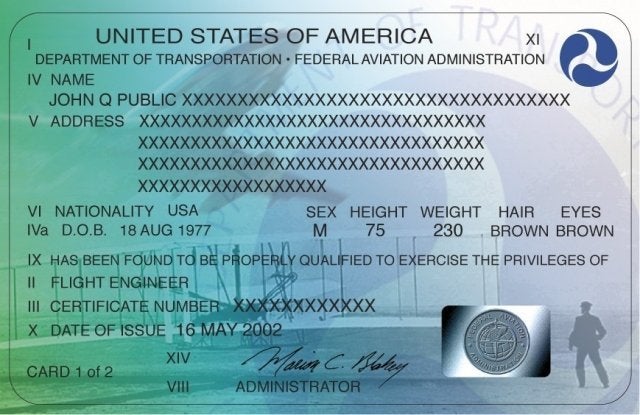
New FAA rules affecting how student pilots are certified took effect today. The new rules require all applicants to be vetted through the FAA’s Airmen Certification Branch, a process the FAA says will take about three weeks. Currently, the FAA completes the same vetting process, but not until after a student certificate has been issued, usually by an aviation medical examiner. Students will still need a certificate from an AME in addition to the new certificate, which will be in the form of a plastic card with no expiration date. AOPA has raised concerns about the new rule, noting that the paperwork can’t be filed until the student turns 16, derailing the tradition of allowing student pilots to solo on their 16th birthday.
AOPA suggests that if a student is eager to solo at age 16, there’s a way to make it work under the new system: The student can apply for a certificate appropriate for gliders—which may be soloed at age 14—at least four weeks before his or her sixteenth birthday. “Upon receipt of the certificate, the student pilot may then receive the appropriate logbook endorsements from his or her flight instructor to solo a powered aircraft on the sixteenth birthday,” AOPA said. Flight school operators have raised concerns about the impact of the wait time on foreign students. AVweb’s editorial director Paul Bertorelli took a look at the rule in January, concluding it’s a “silly rule … [that] in no way contributes meaningfully to security, but has a measurable negative impact on the lives of people struggling to maintain the lowest reaches of general aviation.”