














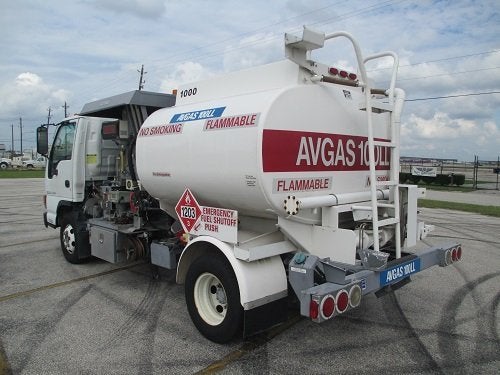
Better fuel management by aviators could prevent an average of 50 general aviation accidents a year, the NTSB said in a GA Safety Alert issued Tuesday. “The idea of running out of fuel in an aircraft is unthinkable, and yet, it causes more accidents than anyone might imagine,” the alert notes. “Fuel management is the sixth leading cause of general aviation accidents in the U.S.” Pilot error contributed to 95 percent of the fuel-management-related accidents; equipment issues contributed to just 5 percent.
The safety board suggested several strategies that would help to reduce the number of fuel-starvation accidents. Don’t rely exclusively on fuel gauges, visually confirm the quantity of fuel in the tanks before takeoff. Know the aircraft’s fuel system and how it works. Have a fuel reserve for each flight. Don’t try to stretch the fuel supply — stop and get gas. The full safety alert is posted online (PDF).