
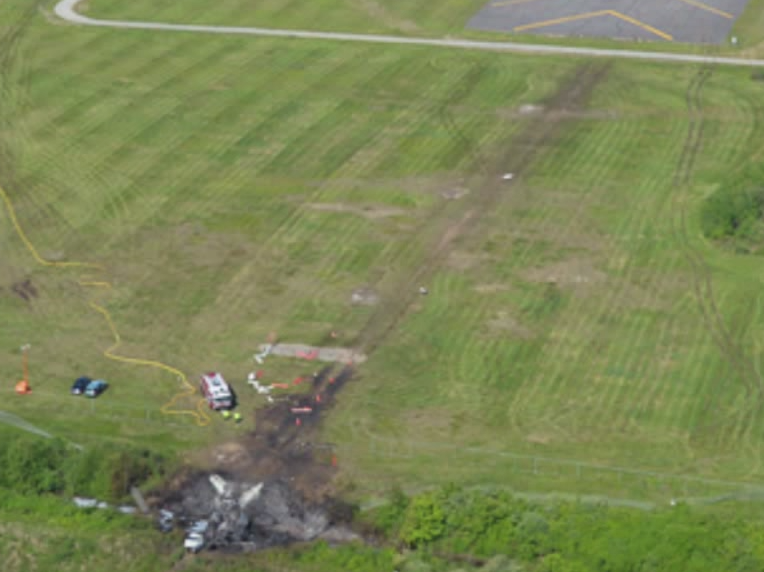
The Gulfstream G-IV flight crew should have used the checklist and checked the flight controls before taking off from Boston’s Hanscom Field in May 2014, the NTSB said on Wednesday in its final report on the fiery crash that killed all seven on board. To remind pilots of the importance of these procedures, the NTSB is issuing a Safety Alert, which states “the critical need” to always follow checklists and perform flight-control checks before every takeoff. “This accident is proof positive for why procedural compliance is one of our most-wanted-list safety issues,” said board vice-chairman Bella Dinh-Zarr. “Procedural compliance saves lives. It may seem mundane but it saves lives.”
The G-IV crew had established a “long-term pattern” of failing to complete preflight checklists, Dinh-Zarr said in an opening statement. Investigators found in a review of 175 past flights that the crew had skipped flight checks in all but two. “When flight crews perform routine checks over long periods of time without discovering any problems, they may begin to regard such checks as less important,” said NTSB investigator William Bramble. This gradual divergence from the checklist is known as “procedural drift,” he said. Both pilots had logged thousands of hours in the G-IV, and they had flown together for years in the accident airplane.
The jet’s gust-lock system was engaged during the takeoff roll. Once the pilots recognized the problem, they had 11 seconds to act before it was too late to safely abort the flight, investigators found. The G-IV ran off the end of the runway, hit a ditch and caught fire. Investigators also cited deficiencies in the design of the gustlock, the FAA’s oversight of the design and the airport’s emergency response.