
















WFTV
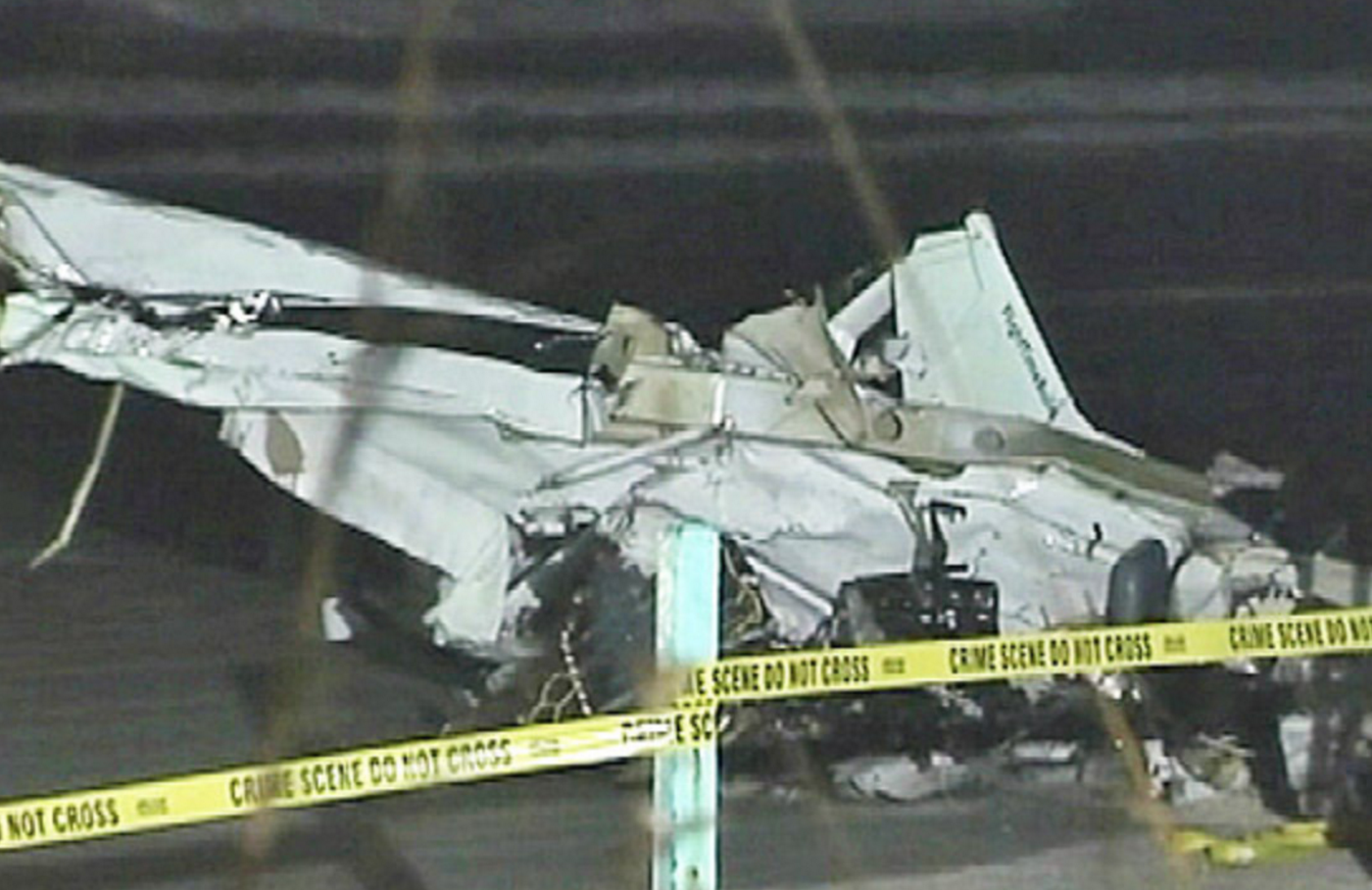
Air traffic controllers need better training in how to assist aircraft in distress, the NTSB says in a report released this week. The safety recommendation is based on an analysis of five general aviation accidents, from 2012 to 2015, in which seven people were killed. In each case, the pilot was communicating with ATC but the controller either failed to provide adequate assistance or instructed the pilot to take actions that made the situation worse, according to the NTSB. The FAA should develop a required national training program to ensure that all controllers have training that is “current and relevant,” the NTSB said, and includes lessons learned from recent events.
In one fatal incident, in North Carolina in December 2012, a private pilot flying a Piper PA-28-160 in IMC had difficulty controlling the airplane and advised ATC that he was “no gyro.” The controller “did not understand that the loss of these primary flight instruments would make it extremely difficult for the pilot to maintain the correct attitude,” the NTSB said. The pilot asked to be cleared to an alternate airport with visual meteorological conditions. However, the controller instead prompted the pilot to leave VMC and attempt another approach into IMC, during which the pilot lost control of the airplane and crashed. The NTSB determined that contributing to the accident, in part, was “the inadequate assistance provided by FAA ATC personnel, and the inadequate recurrent training of FAA ATC personnel in recognizing and responding to in-flight emergency situations.”

