
















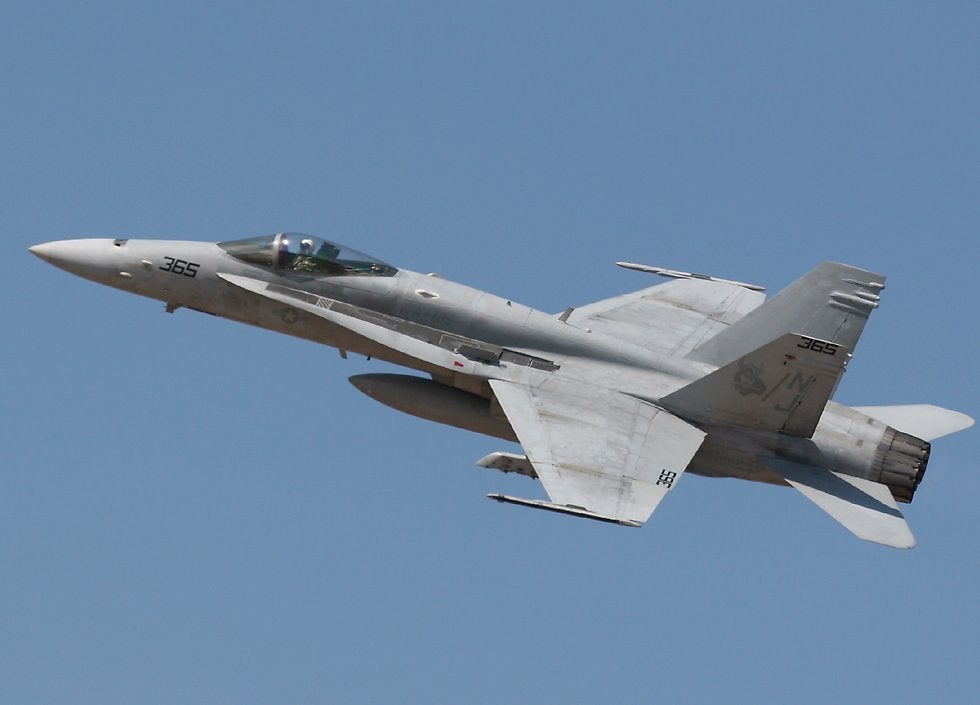
Military pilots aren’t flying often enough to be as proficient as they need to be, Lt. Gen. Jon Davis, the head of Marine Corps aviation, told reporters in Washington, D.C., recently. “We’re about three hours per pilot per month better than we were [in May 2015], but that’s not good enough,” Davis said, according to military.com. “We’re still shy of our target.” In the last year, 11 Marine Corps aircraft have been lost in crashes, with 14 crew members killed. “They’re still being investigated, but there was nothing wrong with those airplanes, mechanically,” Davis said. “These were — they were qualified, they were proficient — these were crews that had been flying a fair bit, flying in some pretty challenging conditions.”
Davis said the military needs access to more basic aircraft for pilots to fly to build flight time and proficiency. He added that since today’s aviators don’t fly as much as pilots of the past, “We just have to be more structured and more pedantic about how we fly.” Investigations are continuing into most of the crashes. But Davis said that, so far, results show that there is no “material failure component,” adding: “It’s mainly human error.”

