

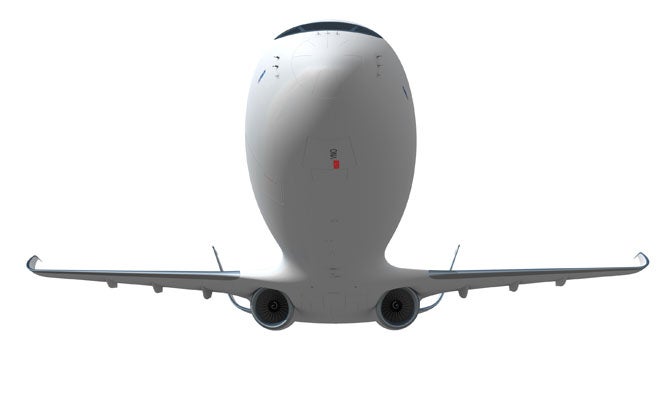
AVwebreaders, according to a recent research project, differ from the general public when it comes to their willingness to fly aboard an autonomous airliner with no pilot in the cockpit. Last October, Matt Vance, a researcher with theSt. Louis University Center for Aviation Science, devised a survey to explore how people would react to flying without a crew, and 355 AVweb readers participated. Now the results are in, and Vance says AVweb readers were less eager than other respondents to take that flight. Overall, 44 percent of the total 1,506 respondents said the probability was greater than 50 percent that they would consent to fly aboard that future airplane. For AVweb respondents, that number was 36 percent.
The main factors that positively influenced the decision to fly on the autonomous airliner included automation sophistication, air traffic system response to interruptions, and 25 years of uneventful autonomous cargo operations, according to Vance.Factors that negatively influenced the decision to fly were a lack of confidence in the air traffic system’s ability to respond to interruptions and a lack of relevant information provided in advance by the airline. The full results and analysis of Vance’s research are posted online (PDF).