
















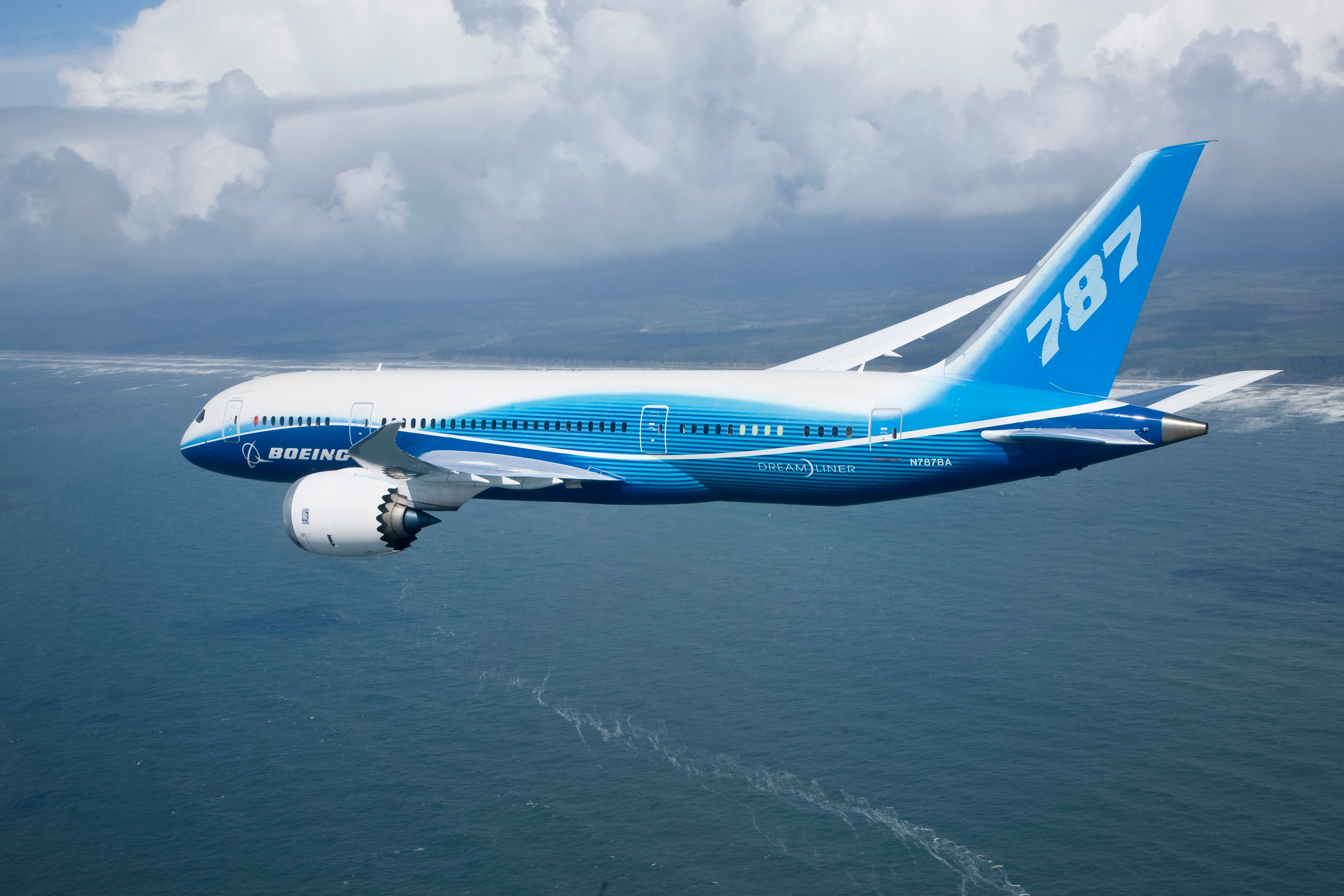
A joint FAA/Boeing design review team reported (PDF) that the Boeing 787 is safe, but made recommendations for improvement for both the FAA and Boeing. Specifically, the joint team of FAA and Boeing technical experts found that the aircraft was soundly designed, met its intended safety level, and that the manufacturer and the FAA had effective processes in place to identify and correct issues that emerged before and after certification. The team had been tasked to review the 787’s critical systems after a lithium battery fire on a 787 in Boston. The FAA members were engineers and other technical experts who were not closely involved in the original 787 certification process.
As one indicator of the B787’s intended safety level, the team compared service reliability data from the time the aircraft first started service with similar data from other previous Boeing airplane models. They determined that the B787’s reliability performance in the first 16 months of service was comparable to the reliability of other new Boeing models over the same time period, including the B777. The team recommended that Boeing should continue to implement and mature gated design and production processes, ensure suppliers are fully aware of their responsibilities, establish a way to ensure suppliers identify realistic program risks, and require its suppliers to follow industry standards for personnel performing Boeing-required inspections. The team recommended that the FAA should revise its order on certificate management of manufacturers to recognize new aircraft manufacturing business models, revise its order on production approval procedures to more fully address complex, large-scale manufacturers with extended supply chains, and revise other orders to ensure engineering conformity inspections for all projects are based on risk. The FAA has announced that it is revising its policies and procedures to follow the recommendations.

