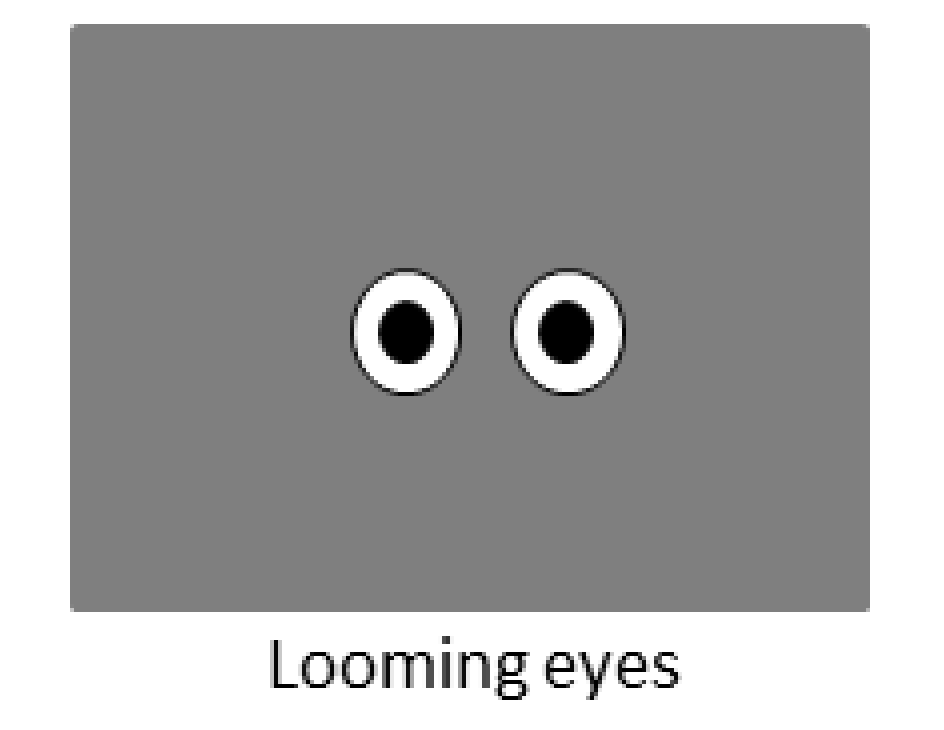













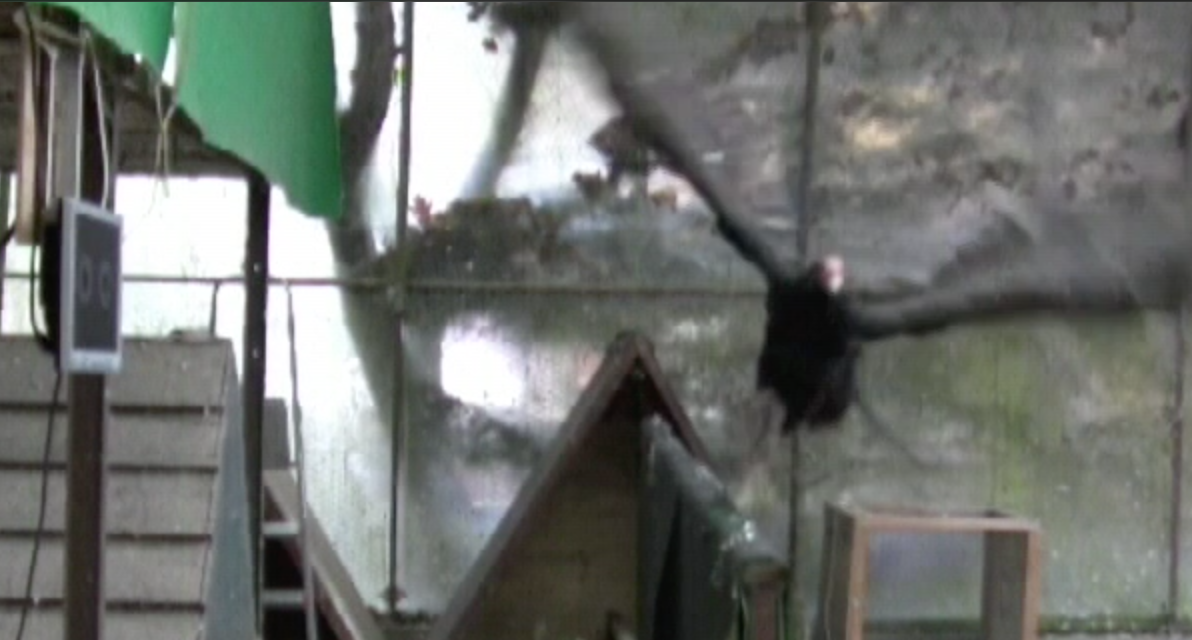
Researchers in France have found that birds display an aversion to “large looming eyespots,” and will avoid locations where they can see the eyespot display. The results were “significant,” the researchers said, and “suggest a high potential for application.” The eyespots are projected on a screen and animated to grow larger, as if approaching the viewer. Birds were tested both in the lab and at an airport, and most responded by turning away or flying away from the screen. The researchers completed more than 8,800 tests with a variety of bird species over five weeks.
In the field tests, the researchers found a few birds would remain in the “zones of visibility.” Some birds may be resistant to the stimulus either because they are particularly fearless, cannot see well or have developed other avoidance strategies, they said. Most of those birds would turn away from the stimulus, “constructing their own visual obstacle.” Bird strikes cost aviation operators about $1.2 billion annually, according to the study. The research was funded in part by Airbus and is published online at Plos One.